Sustainable Home Decor Trends 2026: Eco-Friendly Interiors
The Top 5 Sustainable Home Decor Trends Shaping 2026: Eco-Friendly Interiors
As we stride further into the 21st century, the conversation around sustainability has permeated every facet of our lives, and home decor is no exception. The year 2026 is poised to be a landmark year for sustainable home decor, with a growing emphasis on ethical sourcing, eco-friendly materials, and conscious consumption. Consumers are increasingly aware of the environmental impact of their choices, leading to a significant shift towards interiors that are not only beautiful but also kind to the planet. This isn’t just a fleeting fad; it’s a fundamental re-evaluation of how we create and inhabit our living spaces, driven by a collective desire for a healthier, more responsible future.
The movement towards sustainable home decor is multifaceted, encompassing everything from the raw materials used in furniture and accessories to the production processes and the longevity of the products themselves. It’s about making informed decisions that reduce our carbon footprint, minimize waste, and support fair labor practices. This article will delve into the top 5 sustainable home decor trends that are set to dominate in 2026, offering insights into how you can incorporate these eco-conscious elements into your own home, creating spaces that are both stylish and environmentally responsible. From embracing nature’s palette to investing in timeless, durable pieces, these trends offer a roadmap to a more sustainable and aesthetically pleasing home.
The beauty of sustainable home decor lies in its ability to blend functionality with environmental stewardship. It’s about creating a sanctuary that reflects your values and contributes positively to the world around you. Let’s explore these transformative trends that are redefining the future of interior design.
1. The Rise of Biophilic Design: Bringing Nature Indoors
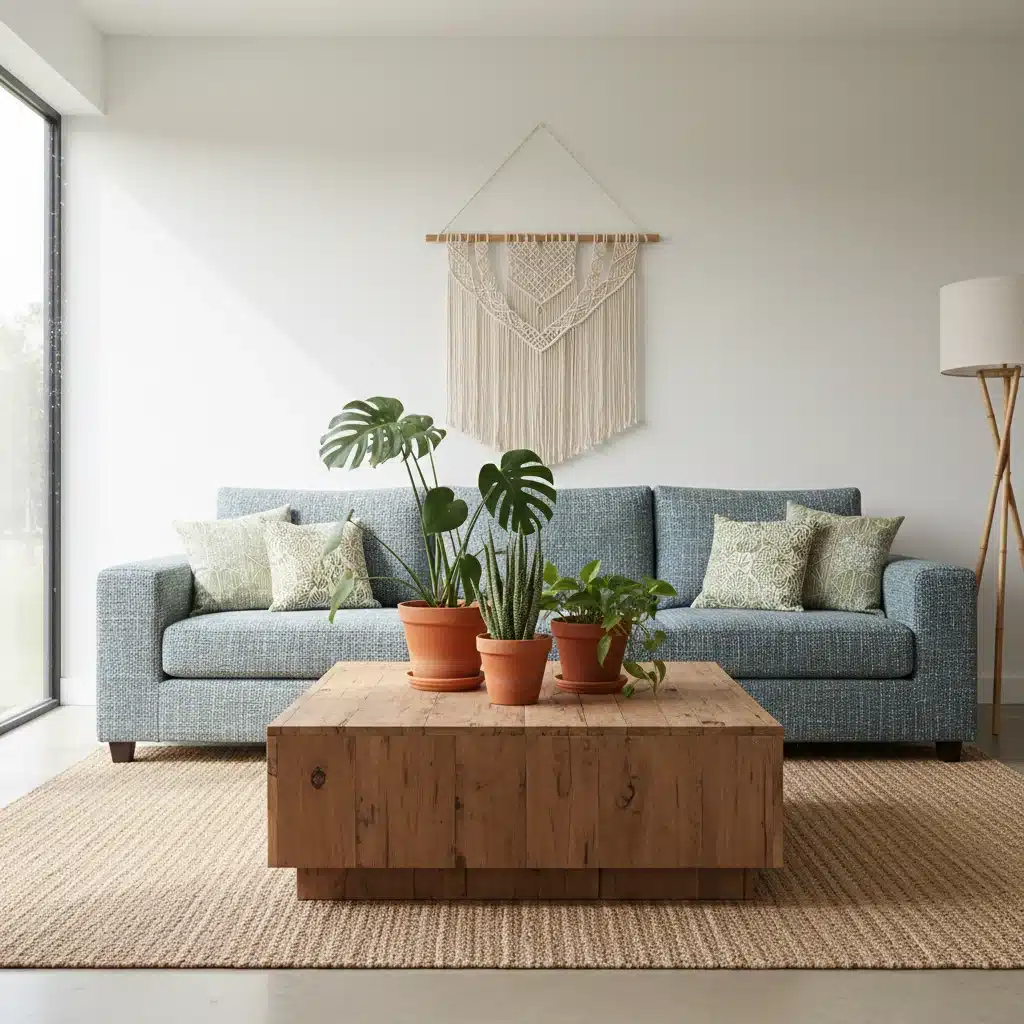
Biophilic design, the concept of connecting building occupants more closely to nature, is not new, but its prominence in sustainable home decor is reaching new heights in 2026. This trend goes beyond simply adding a few houseplants; it’s about integrating natural elements, patterns, and processes into the very fabric of our interior spaces to enhance well-being, productivity, and connection to the natural world. In a world where urbanization is rampant and many spend the majority of their time indoors, biophilic design offers a vital bridge to nature, fostering a sense of calm and revitalization.
In 2026, expect to see biophilic design manifest in several key ways. First, there’s a significant emphasis on incorporating abundant natural light. Designing spaces to maximize sunlight exposure, using light-filtering blinds or sheer curtains made from natural fibers, and even employing light tubes or solar tunnels in darker areas are becoming standard practices. The goal is to reduce reliance on artificial lighting and harness the benefits of natural rhythms.
Secondly, the integration of living plants is evolving. Beyond potted plants, we’ll see more vertical gardens, living walls, and even indoor water features that mimic natural ecosystems. These elements not only purify the air but also add dynamic visual interest and a sense of tranquility. Consider choosing plants that are low-maintenance and thrive in indoor environments, such as snake plants, ZZ plants, or Pothos, which also contribute to improved air quality.
Furthermore, biophilic design in 2026 embraces natural materials and textures. Think furniture crafted from sustainably harvested wood, bamboo, or cork. Walls adorned with natural plaster, clay, or even reclaimed wood panels. Textiles made from organic cotton, linen, hemp, or wool, which offer tactile richness and breathability. These materials not only connect us to nature through their origins but also often boast superior durability and biodegradability compared to synthetic alternatives. The color palettes will also draw inspiration directly from nature – earthy tones, muted greens, sky blues, and warm grays will dominate, creating serene and grounding environments.
Finally, biophilic design extends to patterns and forms. Designs that mimic natural geometries, such as honeycomb patterns, fern fronds, or organic curves, will be prevalent. Artwork depicting landscapes, flora, and fauna will also play a crucial role in reinforcing this connection to the natural world. The essence of this trend is to blur the lines between indoor and outdoor living, creating harmonious environments that support both human health and planetary well-being. Embracing biophilic design is a powerful way to enhance your home’s aesthetic while committing to a sustainable home decor philosophy.
2. Circular Economy Principles: Upcycling, Recycling, and Longevity
The concept of a circular economy is gaining significant traction across industries, and its influence on sustainable home decor in 2026 is transformative. Moving away from the traditional ‘take-make-dispose’ linear model, circular economy principles advocate for designing out waste and pollution, keeping products and materials in use, and regenerating natural systems. For home decor, this translates into a strong emphasis on upcycling, recycling, and prioritizing longevity and durability in product choices.
Upcycling, the process of transforming discarded items into new products of higher quality or environmental value, is becoming an art form. Instead of throwing away old furniture, consumers and designers are finding creative ways to repurpose and revitalize them. An antique dresser might be given a new lease on life with a fresh coat of low-VOC paint and new hardware, or old wooden pallets could be transformed into a unique coffee table or bed frame. This trend not only reduces landfill waste but also fosters individuality and character in a home, moving away from mass-produced uniformity. The charm of an upcycled piece lies in its story and its unique imperfections.
Recycling, while a well-established practice, is evolving in the decor sector. We’re seeing an increase in products made from recycled content, such as rugs woven from recycled plastic bottles, countertops made from recycled glass or concrete, and even insulation derived from recycled denim. Innovators are constantly discovering new ways to utilize waste streams as valuable resources, turning what was once considered trash into treasure. When choosing items made from recycled materials, it’s important to verify the percentage of recycled content and the overall sustainability of the manufacturing process.
The cornerstone of the circular economy in decor, however, is longevity. The focus is shifting from fast, disposable trends to investing in high-quality, durable pieces that are built to last. This means choosing furniture and decor items made from robust, repairable materials, with timeless designs that won’t quickly go out of style. It’s about conscious consumption – buying less but buying better. When an item reaches the end of its life, the aim is for it to be easily repaired, refurbished, or its materials recycled again, minimizing its journey to the landfill. This approach not only reduces environmental impact but also proves to be more cost-effective in the long run. Embracing circular economy principles is not just a trend; it’s a responsible lifestyle choice that underpins the future of sustainable home decor.
3. Handcrafted and Artisanal Comeback: Celebrating Craftsmanship
In an increasingly digitized and mass-produced world, there’s a powerful yearning for authenticity, connection, and human touch. This desire is fueling a significant comeback for handcrafted and artisanal goods in sustainable home decor for 2026. This trend celebrates the unique beauty of items made by skilled artisans, often using traditional techniques and locally sourced, natural materials. It’s a direct antidote to the anonymity of factory-made products, offering pieces with soul, history, and a story to tell.
The appeal of handcrafted items extends beyond their aesthetic value. They often embody principles of sustainability by their very nature. Artisans frequently work with sustainable materials such as clay, wood, natural fibers, and recycled metals. Their production methods are typically small-scale, reducing energy consumption and waste compared to industrial manufacturing. Furthermore, supporting artisans often means supporting local economies and preserving traditional crafts, contributing to social sustainability.
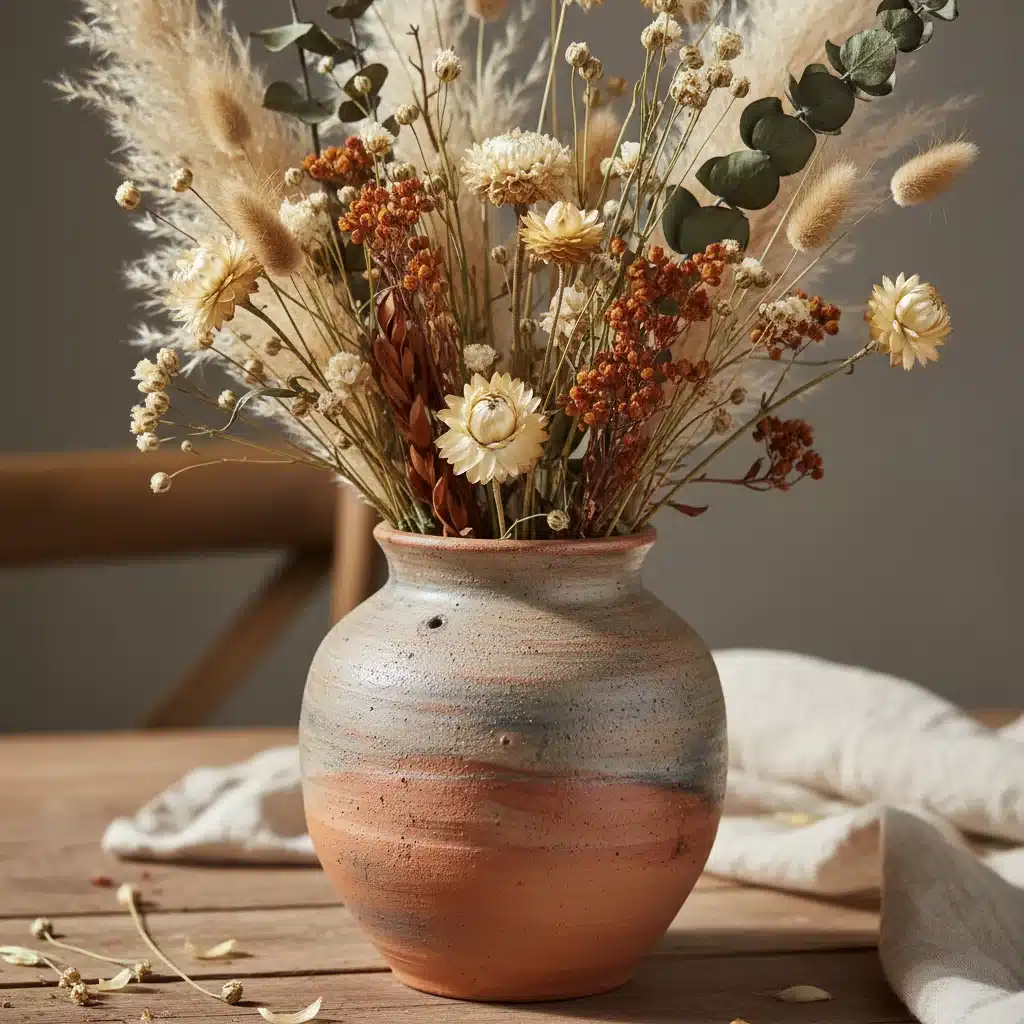
Expect to see a proliferation of handcrafted ceramics, from dinnerware to decorative vases and sculptures, each bearing the unique mark of its maker. Textiles will feature hand-loomed fabrics, block-printed patterns, and naturally dyed materials, adding warmth and texture to any space. Wooden furniture, carved or assembled by hand, will showcase the natural grain and character of the timber, often with a unique, one-of-a-kind finish. Even lighting fixtures will embrace artisanal touches, with hand-blown glass or intricately woven shades made from natural fibers.
This trend encourages consumers to appreciate the time, skill, and passion that goes into creating each piece. It fosters a connection between the owner and the object, promoting a sense of value and encouraging items to be cherished for generations rather than replaced frequently. When choosing handcrafted items, look for transparency about the materials used, the artisan’s practices, and their commitment to ethical production. By integrating artisanal pieces into your home, you’re not just decorating; you’re investing in culture, craftsmanship, and a truly sustainable home decor aesthetic that resonates with authenticity.
4. Ethical Sourcing and Transparency: Knowing Your Decor’s Story
As consumers become more informed and ethically conscious, the demand for transparency in product origins and manufacturing processes is surging. In 2026, ethical sourcing and full transparency will be non-negotiable aspects of sustainable home decor. This trend is about understanding the entire lifecycle of a product, from where its raw materials were extracted to how it was made, by whom, and under what conditions. It’s about ensuring that your decor choices do not contribute to environmental degradation or social injustice.
Ethical sourcing involves ensuring that materials are obtained in a way that minimizes environmental harm and respects human rights. For wood, this means seeking certifications like the Forest Stewardship Council (FSC), which guarantees that timber comes from responsibly managed forests. For textiles, it involves looking for organic certifications (like GOTS for cotton) or labels that attest to fair trade practices, ensuring workers receive fair wages and work in safe conditions. The origin of metals, stones, and other raw materials will also come under scrutiny, with consumers demanding proof of responsible mining and extraction.
Transparency goes hand-in-hand with ethical sourcing. Brands that succeed in 2026 will be those that are open and honest about their supply chains. This means providing clear information about where materials come from, the manufacturing locations, and the social and environmental policies in place. QR codes on products linking to detailed information pages, clear labeling, and accessible brand stories will become commonplace. Consumers want to know that their purchases align with their values, and brands that can provide this assurance will build greater trust and loyalty.
This trend also extends to the longevity and end-of-life planning for products. Brands will increasingly offer take-back programs, repair services, or guidance on how to properly recycle or dispose of items responsibly. The emphasis is on a holistic view of sustainability, where every stage of a product’s journey is considered. For the conscious consumer, this means doing a little research before making a purchase, looking for certifications, reading brand mission statements, and asking questions. Choosing ethically sourced and transparently produced items is a powerful way to ensure your sustainable home decor choices contribute to a better world for everyone.
5. Minimalist Aesthetics with Maximum Impact: Intentional Living
While minimalism has been a design principle for decades, its evolution in 2026 for sustainable home decor is marked by a deeper connection to intentional living and conscious consumption. This isn’t just about sparse spaces; it’s about curating a home with purpose, where every object serves a function, holds meaning, or brings joy, thereby reducing clutter and waste. The trend moves beyond sterile, stark minimalism towards a warmer, more inviting approach that still champions simplicity and sustainability.
Minimalist aesthetics with maximum impact mean choosing fewer, higher-quality pieces that are built to last and have a timeless appeal. Instead of accumulating numerous trendy items that quickly lose their allure, the focus is on investing in foundational pieces that are versatile and can adapt to changing tastes over time. This approach inherently supports sustainability by reducing the need for frequent replacements and minimizing consumption.
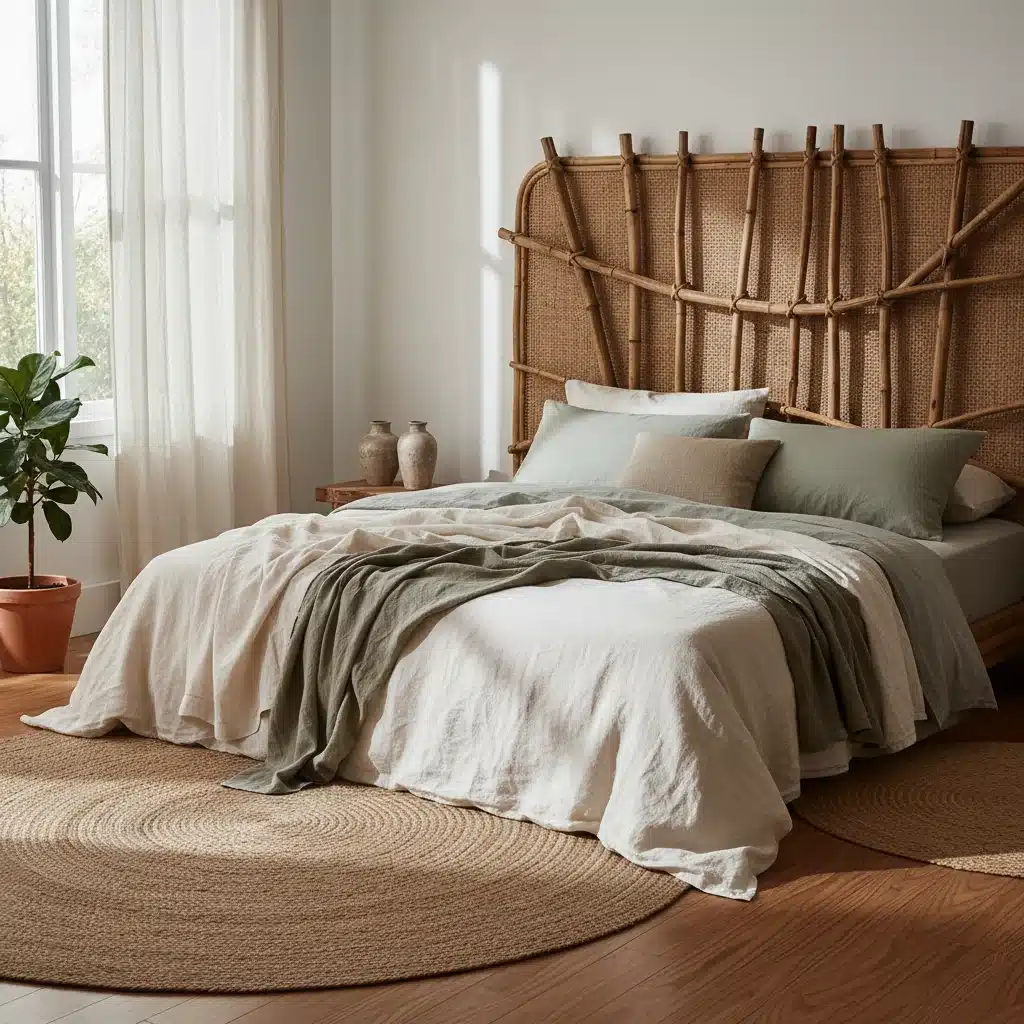
The aesthetic will favor clean lines, uncluttered surfaces, and a harmonious color palette, often inspired by nature. Natural materials like wood, stone, linen, and wool will be prominent, adding texture and warmth without overwhelming the senses. Storage solutions will be cleverly integrated and often hidden, maintaining a serene and organized environment. Functionality is paramount, with multi-functional furniture playing a key role in smaller spaces or homes where versatility is valued.
The ‘maximum impact’ part of this trend comes from the careful selection of focal points. This could be a single, stunning piece of art, a uniquely designed lamp, or a significant plant that draws the eye. These elements are chosen for their intrinsic beauty, their story, or their ability to evoke emotion, rather than their sheer quantity. The idea is to create a sense of calm and clarity, allowing the chosen pieces to truly shine. Embracing minimalist aesthetics with maximum impact is a powerful way to practice sustainable home decor, promoting a lifestyle of intentionality, reducing environmental impact, and fostering a peaceful, beautiful living space.
Integrating Sustainable Home Decor into Your Life
The journey towards a more sustainable home is a continuous one, and incorporating these trends in 2026 can be both rewarding and impactful. It’s not about overhauling your entire home overnight, but rather making conscious, incremental changes that align with your values and contribute to a healthier planet. Here are some practical tips for integrating these sustainable home decor trends into your life:
Start Small, Think Big
You don’t need to redecorate your entire house at once. Begin with one room or even one corner. Replace a synthetic throw pillow with an organic cotton one, add a few air-purifying plants, or invest in a single, high-quality handcrafted ceramic piece. Each small step contributes to a larger, more sustainable vision for your home. As you become more comfortable and knowledgeable, you can gradually expand your efforts.
Prioritize Quality Over Quantity
Embrace the philosophy of buying less but buying better. Instead of purchasing inexpensive, mass-produced items that will quickly wear out or go out of style, invest in durable, well-made pieces that are designed to last. This not only reduces waste but also saves money in the long run. Look for timeless designs that you’ll love for years to come, rather than being swayed by fleeting trends.
Embrace Secondhand and Vintage
One of the most sustainable ways to furnish your home is to buy secondhand. Explore antique shops, flea markets, consignment stores, and online marketplaces for unique vintage finds. These items often have character, a rich history, and reduce the demand for new production. Upcycling or refurbishing a vintage piece allows you to give it a new life and personalize it to your taste.
Support Local Artisans and Ethical Brands
Seek out local craftspeople and small businesses that create handmade goods using sustainable practices. This supports your local economy and ensures that you’re purchasing items made with care and often with ethically sourced materials. When buying from larger brands, look for certifications (like FSC, GOTS, Fair Trade) and transparency reports that detail their commitment to sustainability and ethical labor practices.
Bring Nature Indoors
Integrate plants into your living spaces to improve air quality, reduce stress, and enhance the aesthetic. Choose plants that thrive indoors and are easy to care for. Consider natural materials for your decor – wooden furniture, linen curtains, wool rugs, and ceramic accessories all bring an organic, calming feel to a room. Maximize natural light and incorporate elements that mimic natural patterns or forms.
Educate Yourself and Others
Stay informed about sustainable materials, production methods, and ethical consumption. The more you know, the better choices you can make. Share your knowledge and enthusiasm with friends and family, inspiring them to adopt more sustainable practices in their own homes. Collective action, even in home decor, can lead to significant positive change.
By consciously incorporating these sustainable home decor trends, you’re not just decorating a house; you’re cultivating a home that reflects your values, prioritizes well-being, and contributes to a more sustainable future. The beauty of these trends lies in their ability to merge aesthetic appeal with environmental responsibility, proving that stylish living and conscious choices can indeed go hand-in-hand. The year 2026 marks a pivotal moment where sustainable design becomes an integral part of creating truly meaningful and resilient living spaces.
The Future of Sustainable Home Decor: Beyond 2026
While 2026 is set to solidify these five key trends, the trajectory for sustainable home decor extends far beyond. We can anticipate even greater innovation and integration of eco-conscious practices in the years to come. The industry is continuously evolving, driven by consumer demand, technological advancements, and a deeper understanding of our planet’s limitations. The future promises a home decor landscape where sustainability is not a niche market but a fundamental expectation.
One area of significant growth will be in biomaterials and bio-fabrication. Imagine furniture grown from mycelium (mushroom roots), textiles derived from algae, or wall coverings created from agricultural waste. Scientists and designers are already experimenting with these revolutionary materials, which offer impressive biodegradability and minimal environmental impact. These innovations will challenge our traditional notions of manufacturing and introduce a new era of truly regenerative design.
Furthermore, smart home technology will play an increasingly vital role in supporting sustainable living. Beyond energy-efficient lighting and thermostats, we’ll see integrated systems that monitor air quality, water consumption, and even resource usage, providing real-time data to help households reduce their environmental footprint. These technologies will empower individuals to make more informed decisions about their energy and resource consumption within their homes.
The concept of ‘design for disassembly’ will also become more prevalent. Products will be intentionally designed so that their components can be easily separated, repaired, or recycled at the end of their useful life. This contrasts sharply with current practices where many items are glued or welded together, making recycling difficult or impossible. This forward-thinking approach will ensure that materials remain within the circular economy for as long as possible.
Education and awareness will continue to be critical. As more consumers understand the impact of their choices, the demand for genuinely sustainable products will rise, pushing brands to adopt more rigorous ethical and environmental standards. Certifications will become more robust and universally recognized, making it easier for consumers to identify truly green products.
Ultimately, the future of sustainable home decor is a future where beauty and responsibility are inseparable. It’s a vision of homes that are not just aesthetically pleasing but also healthy for their inhabitants and for the planet. By embracing the trends of 2026 and looking forward to these emerging innovations, we are collectively shaping a more conscious and sustainable way of living, one beautifully designed space at a time. The home is our sanctuary, and by making it sustainable, we extend that sanctuary’s benefit to the wider world.