Sustainable Tech Innovations: US Market’s Green Future
The Next Big Thing: 7 Sustainable Tech Innovations to Watch in the US Market This Year
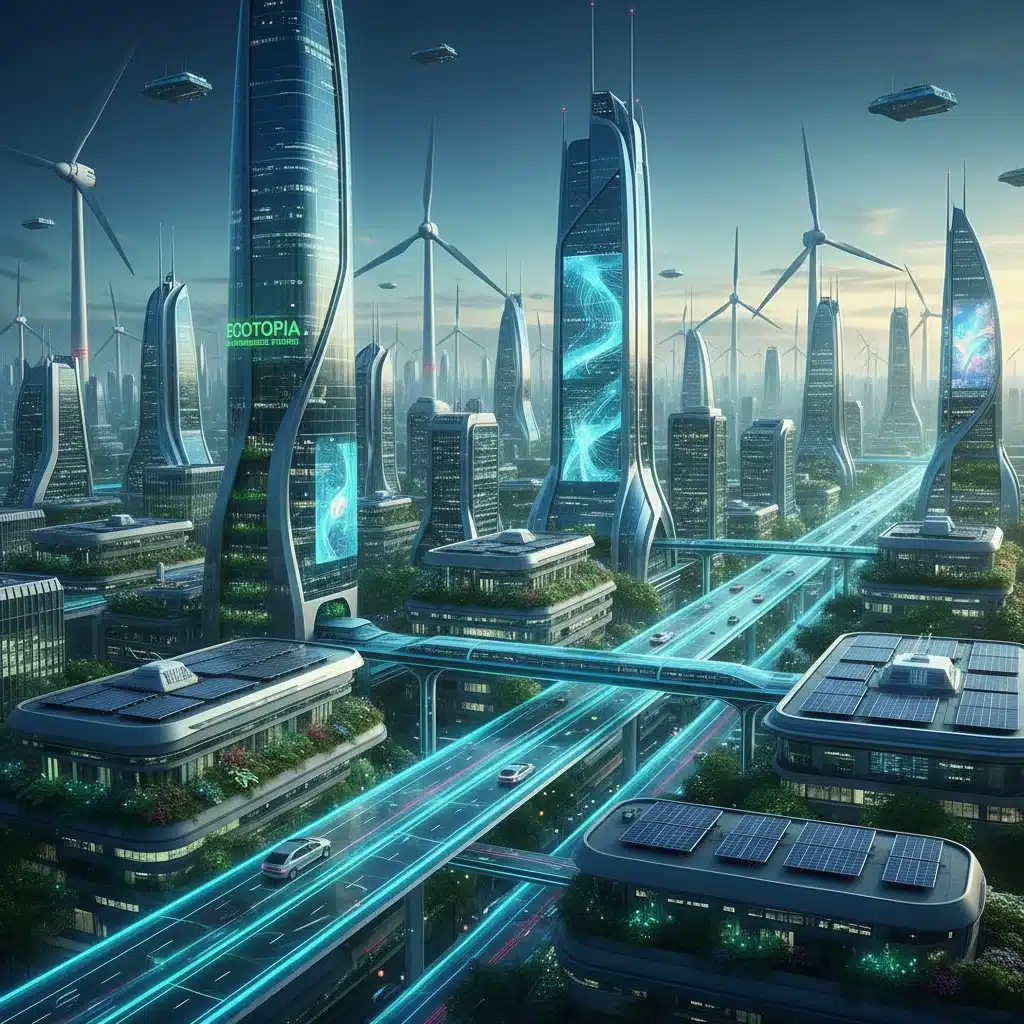
The global imperative for sustainability has never been more urgent, and the United States stands at the forefront of a technological revolution aimed at addressing environmental challenges. As consumers, businesses, and governments increasingly prioritize eco-friendly solutions, the demand for sustainable tech US innovations is skyrocketing. This year, the US market is buzzing with groundbreaking advancements that promise to reshape industries, reduce our carbon footprint, and foster a more resilient planet. From renewable energy breakthroughs to revolutionary waste management systems, these innovations are not just about environmental protection; they represent significant economic opportunities and a paradigm shift in how we live and operate.
The landscape of sustainable technology is diverse and dynamic, encompassing everything from energy generation and storage to smart agriculture and circular economy models. Investors are pouring capital into green startups, established corporations are integrating sustainability into their core strategies, and policymakers are enacting legislation to accelerate the transition to a greener economy. This confluence of factors is creating an unprecedented environment for innovation, making the US a hotbed for the next generation of eco-conscious solutions. Understanding these emerging trends is crucial for anyone looking to stay ahead in a world increasingly defined by its commitment to sustainability.
In this comprehensive post, we will delve into seven of the most promising sustainable tech US innovations that are poised to make a significant impact on the US market this year. We’ll explore their underlying technologies, their potential benefits, and the challenges they face, offering a holistic view of the future of sustainable development. Whether you’re an investor, an entrepreneur, a policymaker, or simply an environmentally conscious individual, this guide will provide valuable insights into the exciting world of green technology.
1. Advanced Renewable Energy Solutions: Beyond Solar and Wind
While solar and wind power have been the stalwarts of renewable energy for decades, the US market is now witnessing a surge in more advanced and diversified renewable energy solutions. These innovations are addressing the intermittency challenges of traditional renewables and expanding the reach of clean energy to new frontiers. The focus is shifting towards enhancing efficiency, improving storage, and exploring novel sources that can provide constant, reliable power.
Geothermal Energy: Tapping into Earth’s Heat
Geothermal energy, often overlooked, is gaining renewed attention as a stable, baseload power source. New drilling techniques and enhanced geothermal systems (EGS) are making it possible to access deeper, hotter reservoirs, significantly expanding its potential. EGS involves injecting fluid into hot, dry rock to create artificial reservoirs, mimicking natural geothermal processes. This innovation could unlock vast amounts of clean energy, particularly in regions not traditionally considered geothermal hotspots. The US Department of Energy is actively funding research and development in EGS, recognizing its potential to provide 24/7 renewable power.
Tidal and Wave Energy: Harnessing Ocean Power
The immense power of the oceans remains largely untapped, but that’s changing with advancements in tidal and wave energy technologies. These systems convert the kinetic energy of ocean currents and waves into electricity. While still in early stages of commercialization compared to solar and wind, several pilot projects in the US are demonstrating their viability. Innovations in turbine design, mooring systems, and energy conversion mechanisms are making these technologies more robust and cost-effective. The Pacific Northwest and the Atlantic coast offer significant potential for these marine energy sources, contributing to a more diversified sustainable tech US energy portfolio.
Small Modular Reactors (SMRs) for Nuclear Power
Though not strictly renewable, advanced nuclear power, particularly Small Modular Reactors (SMRs), is being considered a crucial part of a sustainable energy mix due to its low-carbon footprint and high energy density. SMRs are factory-built, compact reactors that can be deployed more quickly and at a lower cost than traditional nuclear plants. Their modular design allows for flexible scaling and can be integrated with renewable energy sources to provide stable power. The US is a global leader in SMR development, with several designs under review by the Nuclear Regulatory Commission, promising a significant contribution to carbon reduction and energy security.
2. Circular Economy Technologies: Waste as a Resource
The linear ‘take-make-dispose’ economic model is unsustainable. The circular economy, which emphasizes reducing waste, reusing materials, and recycling resources, is gaining traction. New technologies are crucial to making this model a reality, transforming waste into valuable inputs for new products and processes. These sustainable tech US innovations are not only reducing landfill burden but also creating new industries and jobs.
Advanced Recycling and Upcycling
Traditional mechanical recycling has limitations, especially for mixed plastics and complex materials. Advanced recycling technologies, such as chemical recycling and pyrolysis, are breaking down materials to their molecular level, allowing them to be re-polymerized into new, high-quality products. This opens up possibilities for materials that were previously considered unrecyclable. Upcycling, which transforms waste materials into new products of higher value, is also seeing innovation with AI-driven sorting and robotic disassembly systems, ensuring maximum material recovery. Companies are investing heavily in these technologies to meet corporate sustainability goals and consumer demand for eco-friendly products.
Biodegradable and Compostable Materials
The proliferation of plastic waste is a major environmental concern. Innovations in biodegradable and compostable materials are offering promising alternatives. These materials, derived from plant-based sources or engineered to break down naturally in specific environments, are replacing conventional plastics in packaging, textiles, and consumer goods. The challenge lies in ensuring proper disposal infrastructure (e.g., industrial composting facilities) and preventing ‘greenwashing’. However, ongoing research is leading to more robust and versatile biodegradable options that can truly close the loop on material use.
Product-as-a-Service (PaaS) Models
Beyond material innovation, the circular economy is also driven by business model innovation. Product-as-a-Service (PaaS) models, where consumers pay for the use of a product rather than its ownership, encourage manufacturers to design for durability, repairability, and recyclability. This model incentivizes companies to recover and refurbish products at the end of their useful life, reducing waste and extending resource value. Examples range from subscription services for electronics and clothing to shared mobility platforms. This shift represents a fundamental change in how goods are produced, consumed, and managed, making it a powerful sustainable tech US trend.
3. Smart Agriculture and Food Systems
Feeding a growing global population while minimizing environmental impact is a critical challenge. Sustainable tech in agriculture focuses on optimizing resource use, reducing waste, and enhancing food security. The US market is seeing rapid adoption of technologies that transform traditional farming practices into more efficient, eco-friendly systems.
Precision Agriculture with AI and IoT
Precision agriculture uses data from sensors, drones, and satellites, combined with AI analytics, to optimize farming inputs like water, fertilizers, and pesticides. Internet of Things (IoT) devices monitor soil conditions, crop health, and weather patterns in real-time, allowing farmers to make informed decisions that reduce waste and increase yields. This targeted approach minimizes environmental pollution from runoff and conserves precious resources. The widespread adoption of these technologies is revolutionizing how food is grown across the US, making it a cornerstone of sustainable tech US in food production.

Vertical Farming and Controlled Environment Agriculture (CEA)
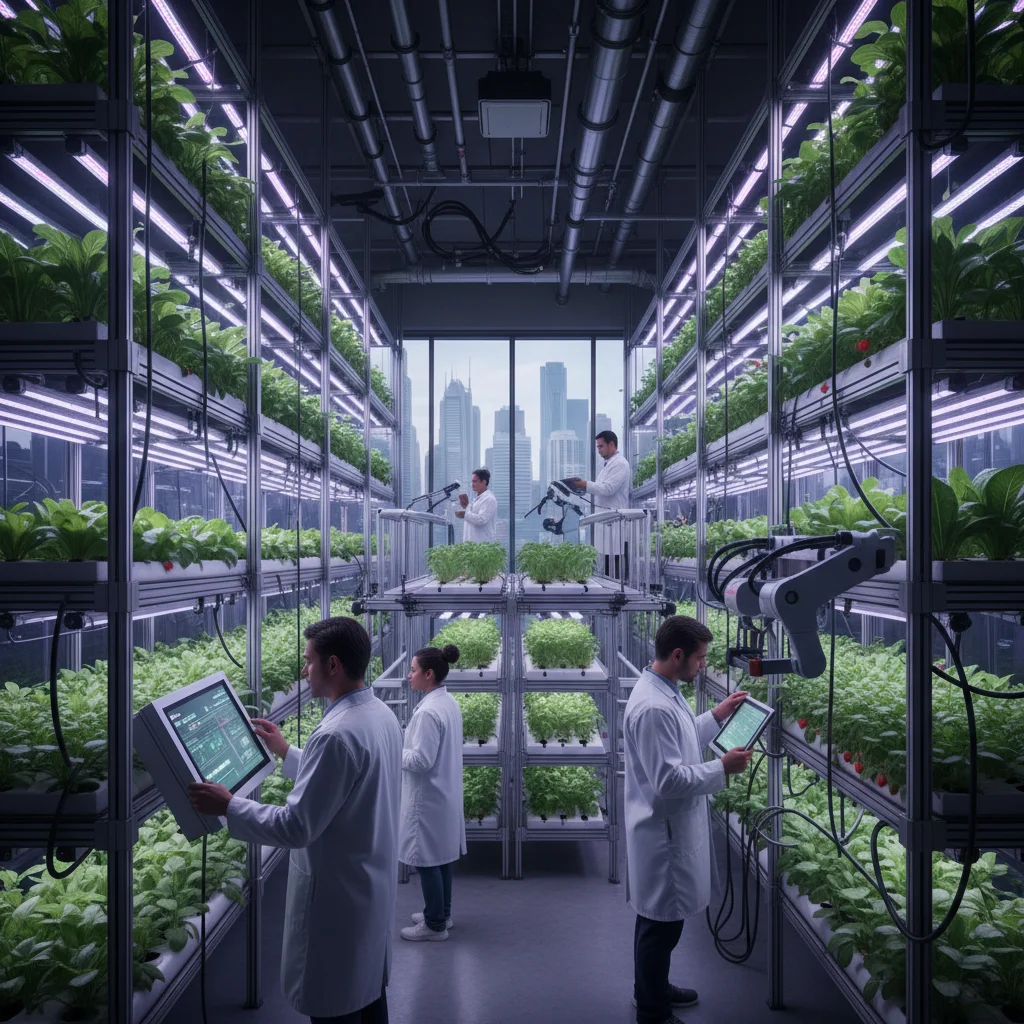
Vertical farming involves growing crops in vertically stacked layers, often indoors under controlled conditions (CEA). This method uses significantly less land and water than traditional farming, eliminates the need for pesticides, and allows for year-round production in urban areas. Innovations in LED lighting, hydroponics, aeroponics, and automation are making vertical farms more efficient and economically viable. By bringing food production closer to consumers, vertical farming also reduces transportation emissions and food waste, contributing to a more localized and sustainable food system.
Alternative Proteins and Cultivated Meat
The environmental footprint of traditional animal agriculture is substantial. Alternative proteins, including plant-based meats, insect-based proteins, and cultivated (lab-grown) meat, offer sustainable alternatives. The US market is a leader in developing and commercializing these products, driven by consumer demand for healthier, more ethical, and environmentally friendly food options. Advancements in biotechnology and food science are rapidly improving the taste, texture, and nutritional profiles of these alternatives, making them increasingly competitive with conventional animal products. This sector represents a massive shift in sustainable tech US food innovation.
4. Carbon Capture, Utilization, and Storage (CCUS)
To meet ambitious climate goals, simply reducing emissions may not be enough; we also need to remove existing carbon dioxide from the atmosphere. CCUS technologies are designed to capture CO2 from industrial sources or directly from the air, preventing it from entering the atmosphere or storing it permanently underground. This is a critical area of sustainable tech US development.
Direct Air Capture (DAC)
Direct Air Capture (DAC) technologies extract CO2 directly from ambient air using chemical processes. While energy-intensive, advancements are focused on improving efficiency and reducing costs. Several US-based companies are developing and deploying pilot DAC plants, with significant government and private investment. The captured CO2 can then be stored geologically or utilized in various industrial applications, such as producing synthetic fuels or building materials. DAC holds immense potential for achieving net-negative emissions, a goal increasingly recognized as necessary for climate stabilization.
Carbon Utilization Technologies
Beyond storage, carbon utilization focuses on transforming captured CO2 into valuable products. This ‘carbon recycling’ approach creates economic incentives for CCUS. Innovations include converting CO2 into fuels, plastics, concrete, and even consumer goods like sparkling water. Research is expanding the range of commercially viable products that can be made from captured carbon, turning a waste product into a resource and fostering a new segment of the circular economy. This area is seeing rapid growth in the sustainable tech US landscape.
5. Sustainable Transportation and Logistics
The transportation sector is a major contributor to greenhouse gas emissions. Innovations in sustainable transportation aim to electrify vehicles, optimize logistics, and develop alternative fuels, leading to cleaner air and reduced reliance on fossil fuels.
Electric Vehicles (EVs) and Charging Infrastructure
The rapid adoption of Electric Vehicles (EVs) is undeniable. Beyond passenger cars, the US market is seeing significant growth in electric trucks, buses, and even commercial fleets. Innovations in battery technology (e.g., solid-state batteries for longer range and faster charging), motor efficiency, and vehicle design are making EVs more attractive and accessible. Crucially, the expansion of robust and widespread charging infrastructure, including fast chargers and smart grid integration, is a key focus. Government incentives and corporate investments are accelerating this transition, making EVs a central pillar of sustainable tech US transportation.
Hydrogen Fuel Cell Technology
While EVs dominate the light-duty vehicle market, hydrogen fuel cells offer a promising zero-emission solution for heavy-duty transportation, maritime shipping, and aviation, where battery weight and charging times are significant challenges. Advances in fuel cell efficiency, hydrogen production (especially ‘green hydrogen’ produced from renewable energy via electrolysis), and storage are making this technology more viable. The US is investing in hydrogen hubs and infrastructure to support the development of a hydrogen economy, recognizing its potential to decarbonize hard-to-abate sectors.
Optimized Logistics and Last-Mile Delivery
Beyond the vehicles themselves, optimizing logistics and last-mile delivery is crucial for reducing emissions in transportation. AI-powered route optimization, autonomous delivery vehicles (drones and robots), and micro-fulfillment centers are streamlining supply chains, reducing fuel consumption, and minimizing traffic congestion. These innovations contribute to a more efficient and environmentally friendly delivery ecosystem, a vital aspect of sustainable tech US logistics.
6. Green Building Materials and Smart Infrastructure
The built environment accounts for a significant portion of global energy consumption and resource use. Sustainable tech in construction and infrastructure focuses on developing eco-friendly materials, enhancing energy efficiency, and creating resilient, smart cities.
Low-Carbon Concrete and Timber Construction
Concrete production is a major source of CO2 emissions. Innovations in low-carbon concrete, using alternative binders or CO2 capture during production, are reducing its environmental impact. Additionally, engineered timber products, such as Cross-Laminated Timber (CLT), are gaining popularity as a sustainable alternative to steel and concrete, offering excellent structural properties and carbon sequestration benefits. These materials are transforming how buildings are constructed, leading to a greener built environment.
Smart Grid and Energy Management Systems
Smart grids use digital communication technology to monitor and manage electricity transmission and distribution in real-time. This allows for more efficient integration of renewable energy sources, demand-side management, and improved grid resilience. Coupled with advanced energy management systems in buildings, which use AI to optimize heating, cooling, and lighting based on occupancy and external conditions, these technologies significantly reduce energy waste. The modernization of the US grid is a massive undertaking, but it’s central to achieving a sustainable energy future and a key area of sustainable tech US infrastructure.
7. Water Management and Conservation Technologies
Water scarcity is a growing global crisis, exacerbated by climate change. Sustainable tech in water management focuses on efficient use, purification, and conservation of this vital resource.
Advanced Wastewater Treatment and Reuse
New technologies are making wastewater treatment more efficient and enabling the safe reuse of water for various purposes, including irrigation, industrial processes, and even potable water in some regions. Innovations include membrane bioreactors, advanced oxidation processes, and AI-driven monitoring systems that ensure high-quality effluent. The concept of ‘toilet-to-tap’ is gaining acceptance as technology proves its reliability and safety, addressing water scarcity in water-stressed areas across the US.
Smart Water Networks and Leak Detection
Aging infrastructure leads to significant water loss through leaks. Smart water networks, equipped with sensors and IoT devices, can monitor water flow and pressure in real-time, accurately detecting and pinpointing leaks, often before they become major problems. This allows utilities to respond quickly, minimizing water loss and conserving resources. Predictive analytics and AI are further enhancing these systems, making water distribution more efficient and resilient, a crucial aspect of sustainable tech US resource management.
Desalination Innovations
For coastal regions facing severe water shortages, desalination offers a solution by converting seawater into fresh water. Traditional desalination is energy-intensive, but innovations in membrane technology (e.g., graphene-based membranes), renewable energy integration (e.g., solar-powered desalination plants), and waste heat recovery are making it more sustainable and cost-effective. While still a high-cost option, these advancements are expanding its viability as a critical water source in arid areas of the US.
The Road Ahead for Sustainable Tech in the US
The seven sustainable tech innovations highlighted above represent just a snapshot of the dynamic and rapidly evolving landscape in the US market. What ties them together is a common goal: to decouple economic growth from environmental degradation and build a more resilient, equitable future. The momentum is undeniable, driven by a powerful combination of technological breakthroughs, increasing environmental awareness, supportive policies, and significant financial investment.
However, the path to widespread adoption and full realization of these technologies is not without its challenges. Scaling up these innovations requires overcoming hurdles such as high initial capital costs, regulatory complexities, infrastructure development, and public acceptance. For instance, while renewable energy sources are becoming cheaper, integrating them seamlessly into a complex grid requires smart grid technologies and energy storage solutions. Similarly, the success of circular economy models depends on robust collection, sorting, and processing infrastructure, alongside shifts in consumer behavior.
Despite these challenges, the outlook for sustainable tech US is overwhelmingly positive. The continuous drive for innovation, fueled by both necessity and opportunity, ensures that new solutions will continue to emerge and existing ones will become more efficient and affordable. Government initiatives, such as the Inflation Reduction Act, are providing unprecedented incentives for clean energy and sustainable development, further accelerating growth in this sector. Private sector investment, from venture capital to corporate sustainability funds, is also pouring into green technologies, recognizing the long-term economic returns and the imperative to address climate change.
For businesses, integrating sustainable tech is no longer just a ‘nice-to-have’ but a strategic imperative. It enhances brand reputation, attracts environmentally conscious consumers and employees, improves operational efficiency, and mitigates risks associated with resource scarcity and climate regulations. For individuals, embracing sustainable technologies, whether through adopting EVs, supporting circular economy products, or advocating for green policies, is a powerful way to contribute to a healthier planet.
The US market is not just a consumer of sustainable technology; it is a global leader in its development and deployment. The innovations discussed here are not merely theoretical concepts; many are already being implemented at scale, demonstrating tangible benefits. As we move forward, the collaboration between scientists, engineers, entrepreneurs, investors, and policymakers will be crucial in overcoming remaining barriers and unlocking the full potential of these transformative technologies.
Conclusion: A Greener Horizon for the US
The future of the US economy and its environmental stewardship is inextricably linked to the advancement and adoption of sustainable technologies. The seven innovations we’ve explored – from advanced renewable energy and circular economy models to smart agriculture, carbon capture, sustainable transportation, green building, and water management – are collectively painting a picture of a greener, more sustainable horizon. These aren’t isolated advancements but interconnected components of a holistic approach to environmental sustainability.
The shift towards a sustainable economy is not just an environmental necessity; it is a profound economic opportunity that promises to create new industries, jobs, and a more resilient infrastructure. The US market, with its vibrant innovation ecosystem and growing commitment to sustainability, is uniquely positioned to lead this global transition. By investing in and embracing these sustainable tech US innovations, we are not only addressing the pressing challenges of climate change and resource depletion but also building a more prosperous and sustainable future for generations to come. Keep an eye on these developments; they are truly the next big thing.