Back to School 2026: Top 5 Eco-Friendly Product Lines for a Sustainable September
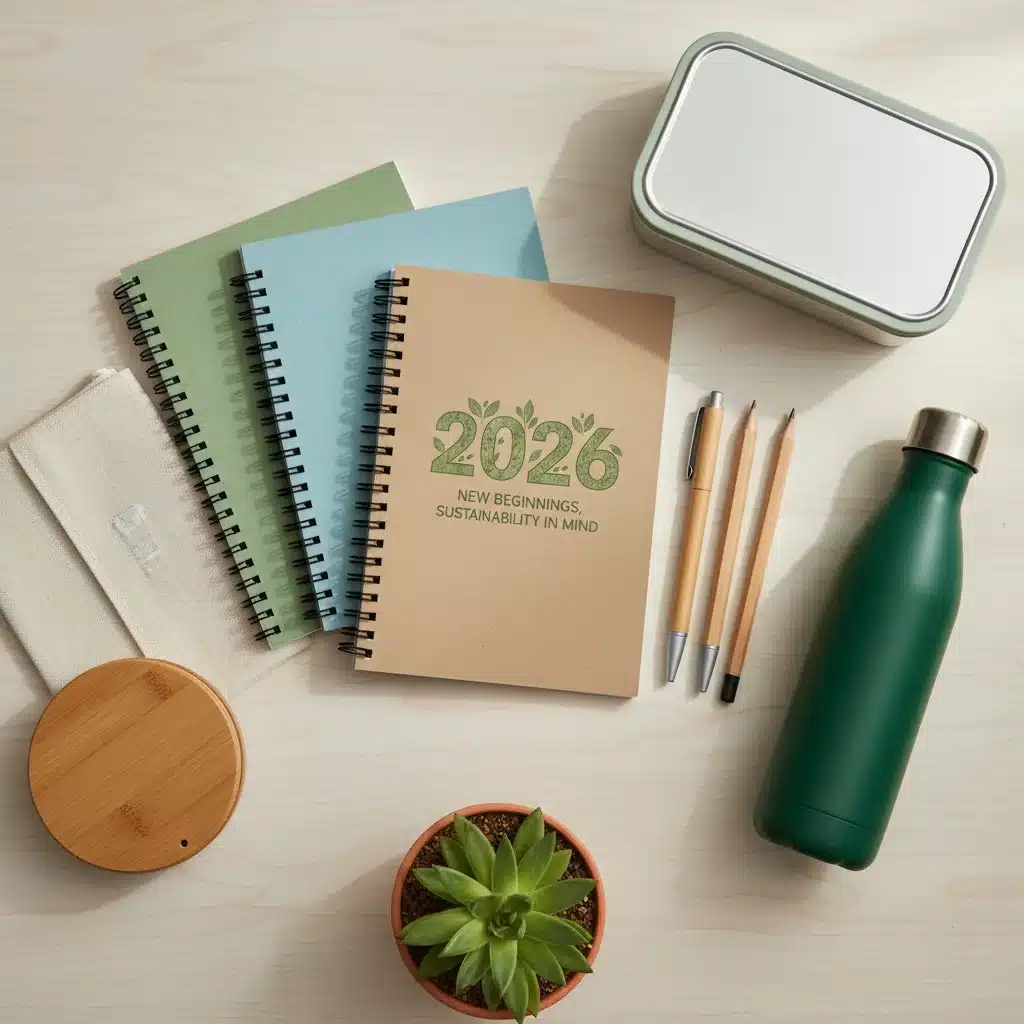
The bell is about to ring for Back-to-School 2026, and as parents, students, and educators prepare for another academic year, a growing focus on sustainability is shaping purchasing decisions. Gone are the days when eco-friendly options were niche or expensive; today, the market is brimming with innovative, affordable, and stylish eco-friendly school supplies. This comprehensive guide will navigate you through the top five eco-friendly product lines that are making waves for a sustainable September, offering options starting from an accessible $15. We’ll delve into their unique offerings, environmental impact, durability, and overall value, ensuring you can make informed choices that benefit both your child’s education and the planet.
Choosing eco-friendly school supplies is more than just a trend; it’s a conscious decision to reduce waste, conserve resources, and support ethical manufacturing practices. From notebooks made from recycled paper to pens crafted from sustainable bamboo, and lunchboxes designed for zero-waste meals, the options are diverse and increasingly mainstream. Our goal is to provide a detailed comparison, highlighting the pros and cons of each brand, so you can easily identify the best fit for your family’s needs and budget for Back-to-School 2026.
The Growing Demand for Eco-Friendly School Supplies in 2026
The shift towards sustainable living has profoundly impacted every sector, including education. Parents are increasingly aware of the environmental footprint of everyday products and are actively seeking alternatives that align with their values. For Back-to-School 2026, this translates into a significant demand for eco-friendly school supplies. This demand is driven by several factors:
- Environmental Awareness: A heightened global consciousness about climate change, plastic pollution, and deforestation has spurred consumers to seek products with minimal environmental impact.
- Durability and Longevity: Often, eco-friendly products are designed with durability in mind, leading to less frequent replacements and reduced waste over time.
- Health and Safety: Many sustainable products are free from harmful chemicals, making them safer for children and the environment.
- Educational Value: Choosing eco-friendly items can serve as a valuable teaching moment for children, instilling in them the importance of sustainability and responsible consumption.
- Innovation in Materials: Advances in material science have led to the development of exciting new sustainable alternatives, from plant-based plastics to recycled textiles, making green choices more accessible and effective.
The market has responded with a fantastic array of choices, making it easier than ever to equip students with everything they need for a successful and sustainable academic year. Let’s explore some of the leading contenders for Back-to-School 2026.
Comparing Top 5 Eco-Friendly School Product Lines for Back-to-School 2026
1. EcoSmart Essentials: The Budget-Friendly All-Rounder (Starting at $15)
Overview: EcoSmart Essentials has quickly become a go-to brand for families looking for affordable yet genuinely sustainable options. Their range for Back-to-School 2026 is impressive, covering everything from notebooks to art supplies. They focus on using high percentages of post-consumer recycled content and easily recyclable materials.
Key Offerings:
- Recycled Paper Notebooks: Made from 100% post-consumer waste, these notebooks are chlorine-free and come in various sizes and rulings.
- Recycled Content Pens & Pencils: Pens made from recycled plastic and pencils from FSC-certified wood or recycled paper.
- Biodegradable Art Supplies: Crayons made from soy wax and non-toxic, plant-based watercolors.
- Reusable Lunch Bags: Crafted from recycled PET plastic (from water bottles), durable and easy to clean.
Environmental Impact: EcoSmart Essentials excels in reducing landfill waste by giving new life to discarded materials. Their commitment to non-toxic ingredients also minimizes chemical runoff into water systems.
Durability & Quality: While budget-friendly, the quality is surprisingly robust. Notebooks hold up well to daily use, and pencils write smoothly. The recycled plastic pens are sturdy enough for a full school year.
Price Point: Extremely competitive, with individual items starting at $1.50 and full bundles often available for under $25, making them an excellent choice for families on a tighter budget for eco-friendly school supplies.
Pros: Affordable, wide range of products, high recycled content, readily available.
Cons: Design aesthetics can be a bit basic compared to premium brands; some recycled plastic items might feel less ‘premium’ to the touch.
2. GreenGuard Gear: The Innovator in Sustainable Materials (Starting at $20)
Overview: GreenGuard Gear stands out for its innovative use of cutting-edge sustainable materials. For Back-to-School 2026, they are introducing new lines featuring biodegradable bioplastics and upcycled textiles. They aim to push the boundaries of what eco-friendly school supplies can be.
Key Offerings:
- Bioplastic Rulers & Protractors: Made from corn starch or sugarcane, these are fully compostable at the end of their life.
- Upcycled Fabric Backpacks: Constructed from discarded clothing or industrial textile waste, each backpack is unique and highly durable.
- Refillable Pen Systems: Pens made from recycled aluminum with biodegradable ink cartridges, significantly reducing plastic waste.
- Plant-Based Glue Sticks: Non-toxic and made from natural starches, adhering effectively without harmful chemicals.
Environmental Impact: GreenGuard Gear significantly reduces reliance on virgin plastics and promotes a circular economy through upcycling. Their compostable items ensure zero end-of-life waste for those specific products.
Durability & Quality: The quality is exceptional, often surpassing traditional alternatives. The upcycled backpacks are particularly robust, and the bioplastic items are surprisingly resilient to daily wear and tear.
Price Point: Mid-range, reflecting the innovative materials and manufacturing processes. A starter set might cost around $30, with individual items varying.
Pros: Highly innovative materials, strong commitment to circularity, unique designs, excellent durability.
Cons: Slightly higher price point; some unique materials might require specific disposal methods (e.g., industrial composting for bioplastics).
3. TerraTide Stationery: The Artisanal & Ethical Choice (Starting at $25)
Overview: TerraTide Stationery focuses on handcrafted quality and ethical sourcing. Their Back-to-School 2026 collection emphasizes natural materials, fair trade practices, and supporting local communities where their raw materials are sourced. This brand is for those who appreciate the story behind their eco-friendly school supplies.
Key Offerings:
- Handmade Recycled Paper Journals: Beautifully crafted journals with unique textures, often incorporating floral or plant elements.
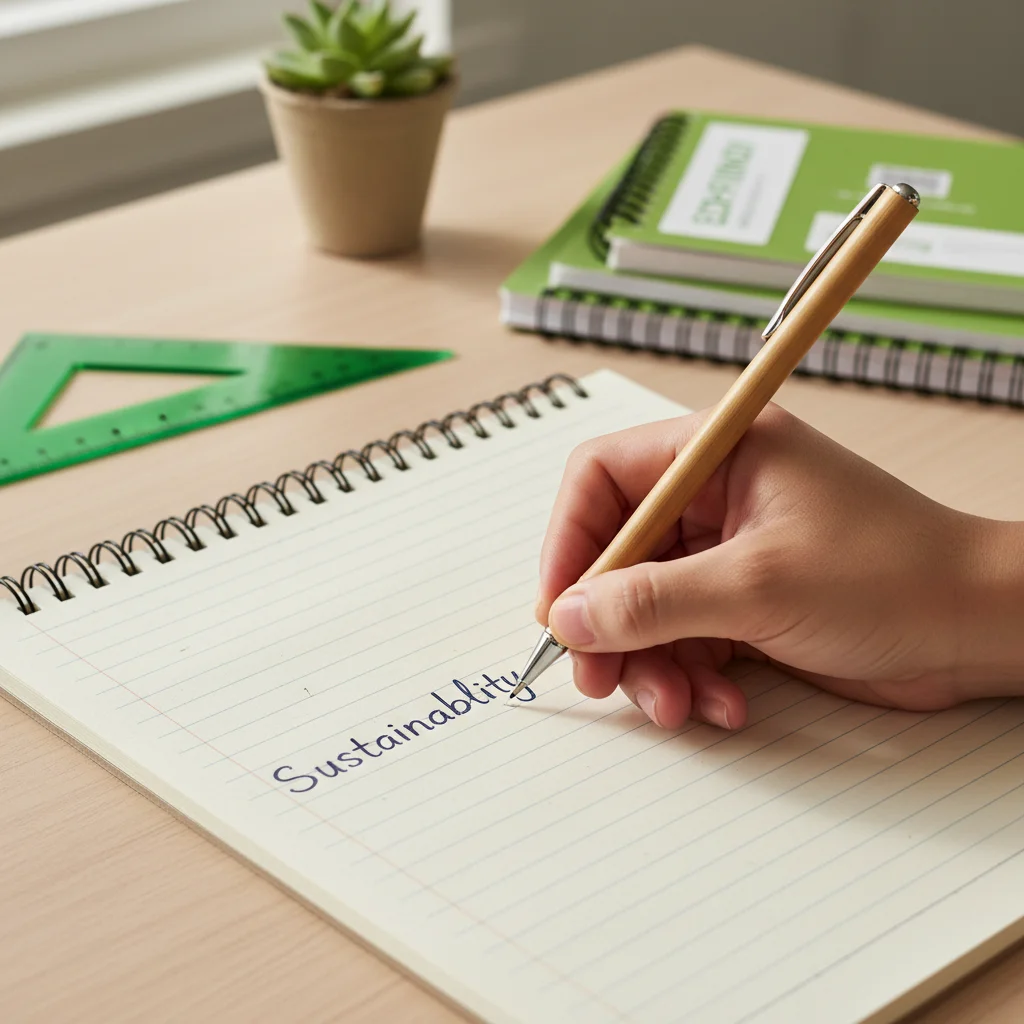
- Bamboo and Wood Pen Sets: Elegantly designed pens and pencils made from sustainably harvested bamboo or FSC-certified wood, often with refillable ink options.
- Natural Rubber Erasers: Biodegradable and effective, free from plasticizers.
- Organic Cotton Pencil Cases: Soft, durable, and naturally dyed pencil cases, often hand-stitched.
Environmental Impact: TerraTide excels in sustainable forestry, reduced chemical processing, and supporting biodiversity through responsible sourcing. Their focus on handcrafted items also means a lower energy footprint in manufacturing.
Durability & Quality: Premium quality and exceptional craftsmanship. These items are built to last and often become cherished possessions. The natural materials age gracefully.
Price Point: Higher end, reflecting the artisanal nature and ethical sourcing. A basic journal and pen set might start around $35-$40, though individual smaller items can be found for $25.
Pros: Exquisite design, high-quality natural materials, strong ethical and fair-trade commitment, unique and personal items.
Cons: More expensive, limited product range compared to larger brands, might not be suitable for very young children due to delicate nature of some items.
4. EnviroKids Collection: Designed for the Youngest Eco-Warriors (Starting at $18)
Overview: EnviroKids Collection understands that younger students need durable, safe, and fun eco-friendly school supplies. Their Back-to-School 2026 line is vibrant, engaging, and specifically designed to withstand the rigors of elementary school life while being completely non-toxic and environmentally sound.
Key Offerings:
- Recycled Plastic Binders & Folders: Brightly colored, flexible, and made from 100% recycled milk jugs, making them extremely durable and easy to clean.
- Non-Toxic Play-Doh & Finger Paints: Made from food-grade ingredients and natural dyes, ensuring safety for little hands and mouths.
- Stainless Steel Lunchboxes & Water Bottles: Durable, reusable, and free from BPA and phthalates, designed with fun, kid-friendly graphics.
- Seed Paper Stationery: Paper embedded with seeds that can be planted after use, growing into flowers or herbs – a fantastic educational tool.
Environmental Impact: Focused on eliminating harmful chemicals from children’s products and promoting reusability. The seed paper is a brilliant closed-loop system for paper waste.
Durability & Quality: Excellent for children. The recycled plastic items are virtually indestructible, and the stainless steel products are built to last for years. The non-toxic art supplies perform well and are safe.
Price Point: Mid-range, reflecting the specialized design for children and safety standards. A lunchbox set might be around $25-$30, with individual items starting from $5.
Pros: Child-safe, highly durable, engaging designs, excellent for teaching sustainability to younger children.
Cons: Product range is mostly geared towards elementary school age; designs might not appeal to older students.
5. RePurpose Pro: The Performance-Driven Sustainable Solution (Starting at $22)
Overview: RePurpose Pro targets older students and professionals who require high-performance eco-friendly school supplies without compromising on sustainability. Their Back-to-School 2026 range focuses on sleek design, advanced functionality, and maximum recycled or sustainably sourced content.
Key Offerings:
- Modular Recycled PET Backpacks: Designed for versatility, with interchangeable compartments and made from durable recycled plastic bottles, often with water-resistant coatings.
- Refillable Aluminum Mechanical Pencils: Precision-engineered for consistent performance, using minimal plastic for refills.
- Sugar Cane Paper Notebooks: Tree-free paper with a smooth writing surface, offering an excellent alternative to traditional wood pulp paper.
- Solar-Powered Calculators: Made with recycled plastic casing and powered by renewable energy, eliminating battery waste.
Environmental Impact: RePurpose Pro focuses on longevity, advanced material recycling, and energy efficiency. Their products are designed to reduce the need for frequent replacements and minimize electronic waste.
Durability & Quality: Premium build quality and performance. These products are designed for demanding use, offering reliability and a sophisticated aesthetic. The sugar cane paper is particularly impressive for its feel and writing performance.
Price Point: Upper-mid to premium range. A high-quality backpack might be $60+, while a sugar cane notebook and mechanical pencil set could be around $35-$45.
Pros: High performance, sleek design, advanced sustainable materials, excellent durability for older students/professionals, reduces electronic waste.
Cons: Higher price point, not as many options for elementary school children.
Key Considerations When Choosing Eco-Friendly School Supplies for 2026
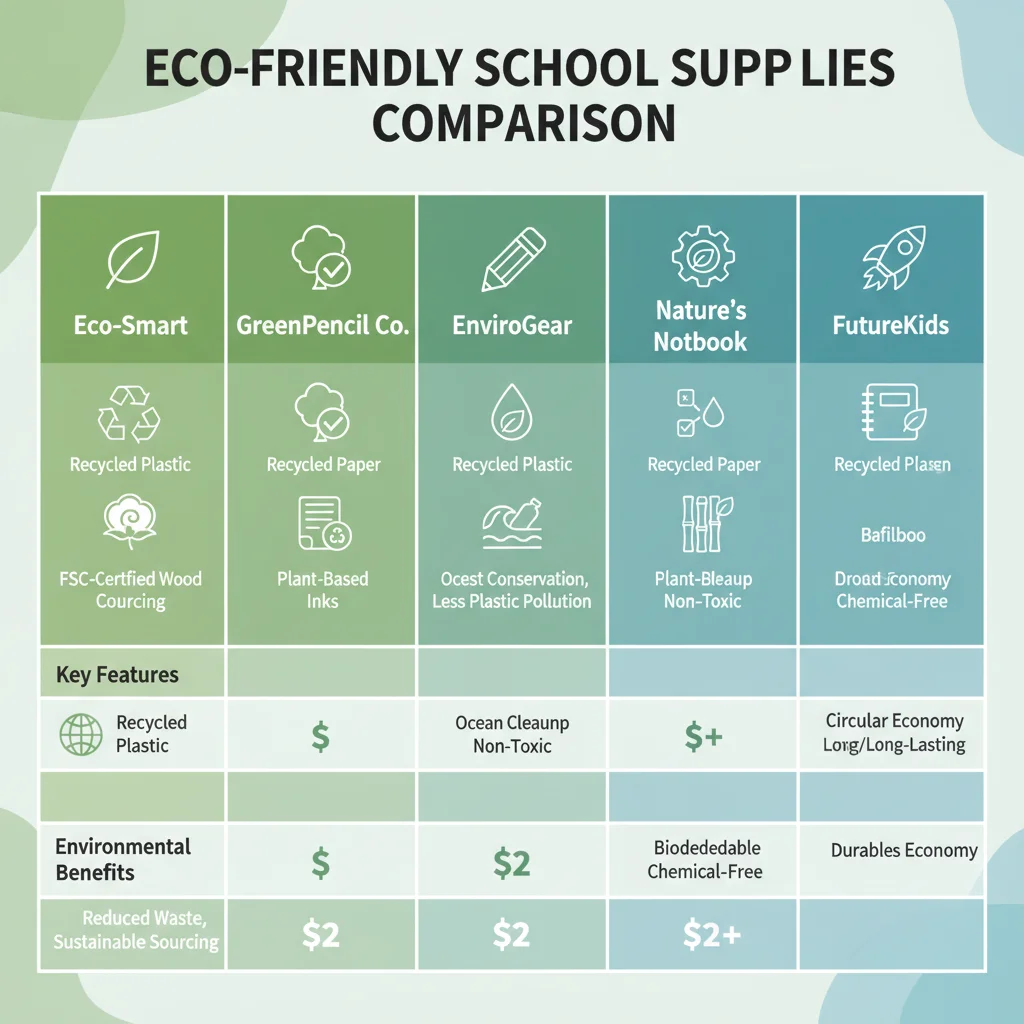
With so many excellent options for eco-friendly school supplies, how do you make the best choice for Back-to-School 2026? Here are some factors to consider:
1. Material Composition
Always check what materials the products are made from. Look for:
- Recycled Content: Post-consumer recycled (PCR) materials are ideal, as they divert waste from landfills.
- Sustainable Resources: FSC-certified wood, bamboo, organic cotton, and hemp are excellent choices.
- Biodegradable/Compostable Materials: Bioplastics from corn starch or sugarcane offer a great end-of-life solution.
- Non-Toxic Ingredients: Especially important for younger children, ensuring products are free from BPA, phthalates, PVC, and heavy metals.
2. Durability and Longevity
An eco-friendly product that breaks quickly defeats its purpose. Invest in items designed to last, reducing the need for frequent replacements. Brands like GreenGuard Gear and RePurpose Pro often excel in this area.
3. Reusability and Refillability
Prioritize items that can be reused or refilled. Refillable pens, reusable water bottles, and lunch containers significantly cut down on single-use waste. This is a hallmark of truly sustainable eco-friendly school supplies.
4. Certifications and Ethical Sourcing
Look for certifications such as FSC (Forest Stewardship Council) for paper and wood products, GOTS (Global Organic Textile Standard) for textiles, and Fair Trade labels. These indicate responsible sourcing and ethical manufacturing practices.
5. Price vs. Value
While some eco-friendly options might have a slightly higher upfront cost, consider the long-term value. Durable, reusable items often save money in the long run. Plus, the environmental benefit is priceless. With options starting at $15, sustainability is more accessible than ever for Back-to-School 2026.
6. End-of-Life Options
What happens to the product when it’s no longer usable? Can it be recycled, composted, or responsibly disposed of? Brands that consider the entire lifecycle of their products are typically more sustainable.
Making a Sustainable Impact This September 2026
Choosing eco-friendly school supplies for Back-to-School 2026 is a powerful way to contribute to a healthier planet. Each purchase of a recycled notebook, a bamboo pen, or a reusable lunchbox sends a clear message to manufacturers that consumers demand sustainable options. Beyond the environmental benefits, these products often offer superior durability, safety, and even educational opportunities for students.
This year, empower your children to be part of the solution. Discuss with them why you’re choosing sustainable products and the positive impact their choices can have. Whether you opt for the budget-friendly EcoSmart Essentials, the innovative GreenGuard Gear, the artisanal TerraTide Stationery, the kid-focused EnviroKids Collection, or the high-performance RePurpose Pro, you’re making a difference.
The landscape of eco-friendly school supplies is continuously evolving, with exciting new developments emerging each year. By staying informed and making conscious choices, we can ensure that Back-to-School 2026 is not just about academic growth, but also about fostering a deeper connection to environmental responsibility. Let’s make this September a truly sustainable one, setting a positive example for future generations and nurturing a greener educational journey.
Final Thoughts on Investing in a Greener Future
The journey towards a more sustainable future begins with small, deliberate steps. Equipping students with eco-friendly school supplies is one such step that yields significant collective impact. As we look towards Back-to-School 2026, the availability and affordability of these products demonstrate a positive shift in consumer demand and industry response. It’s no longer a compromise to go green; it’s an enhancement. The durability, non-toxic nature, and innovative designs of these sustainable alternatives ensure that students are well-prepared for their studies while simultaneously learning valuable lessons about environmental stewardship.
Remember, every choice counts. From the smallest pencil to the largest backpack, selecting items that are kind to the earth contributes to a larger movement. By supporting brands committed to sustainability, you’re not just buying school supplies; you’re investing in a greener future for your children and for generations to come. Make Back-to-School 2026 a milestone for mindful consumption and environmental responsibility.