Optimal Hydration Habits: Why 60% of Americans Miss Out and How to Improve
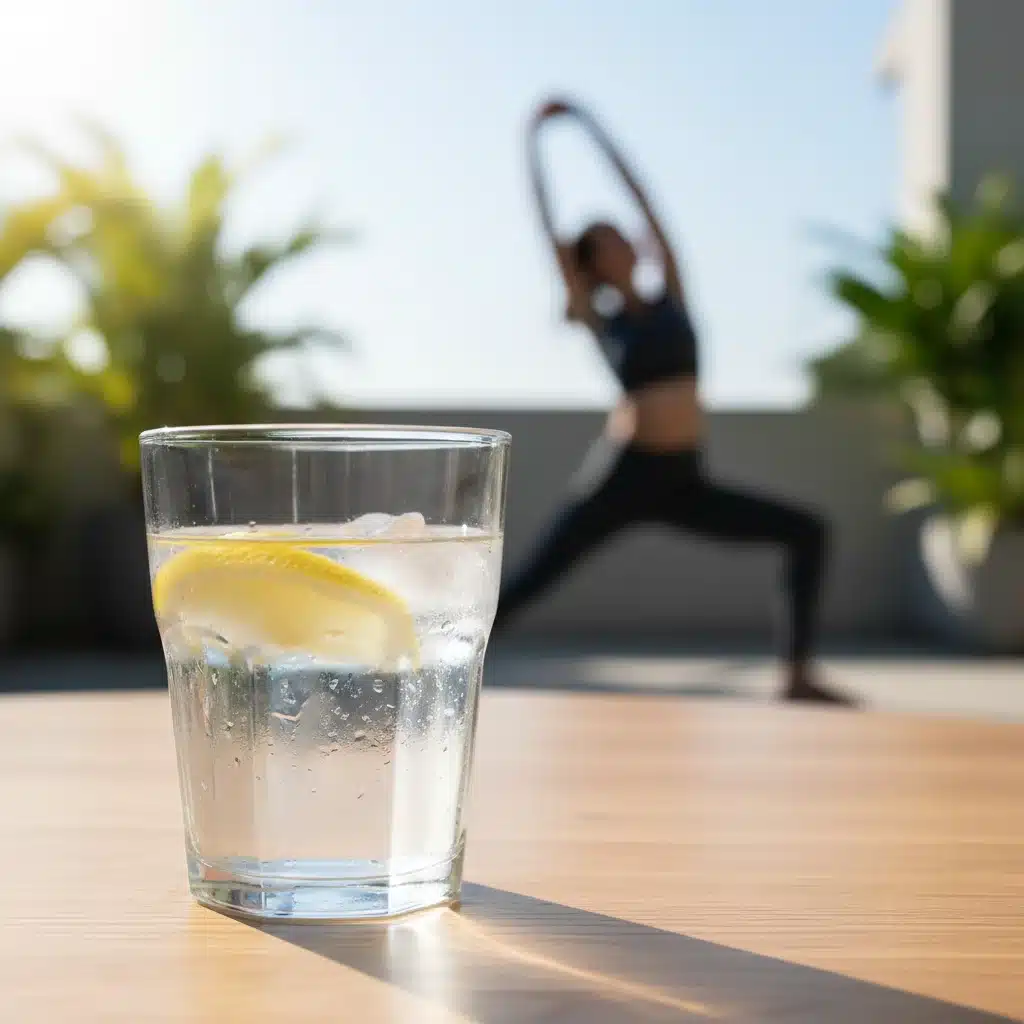
It’s 2026, and despite the ever-growing mountain of evidence touting the benefits of proper hydration, a striking statistic continues to plague the health landscape of the United States: an estimated 60% of Americans are still not drinking enough water. This isn’t just a minor oversight; it’s a critical public health challenge with far-reaching implications for individual well-being, productivity, and the healthcare system as a whole. The concept of optimal hydration habits remains elusive for a significant portion of the population. But why, in an age of readily available information and pervasive health consciousness, are so many falling short? And more importantly, what can be done to turn this tide?
This comprehensive guide delves deep into the multifaceted reasons behind America’s hydration deficit, exploring everything from cultural norms and busy lifestyles to lack of awareness and misleading beverage choices. We’ll uncover the subtle and not-so-subtle signs of dehydration, illuminate the profound impact it has on physical and mental health, and, most crucially, equip you with practical, actionable strategies to cultivate optimal hydration habits that stick. By the end of this article, you’ll not only understand the ‘why’ but also have a clear roadmap for achieving your own hydration goals, contributing to a healthier, more vibrant you.
The Alarming Reality: 60% Under-Hydrated
The statistic is stark: six out of ten Americans are not meeting their daily recommended water intake. This isn’t a new problem, but its persistence is alarming. While individual needs vary based on factors like activity level, climate, and overall health, general guidelines suggest around 11.5 cups (2.7 liters) of fluids per day for women and 15.5 cups (3.7 liters) for men, with about 80% coming from beverages and 20% from food. The gap between recommendation and reality is significant, indicating a widespread failure to prioritize optimal hydration habits.
Why Are We Falling Short? Unpacking the Causes
Several interconnected factors contribute to this pervasive under-hydration:
- Lack of Awareness: Many people simply don’t realize how much water they should be drinking or the critical role it plays in bodily functions. The subtle signs of mild dehydration are often misinterpreted or ignored.
- Busy Lifestyles: In our fast-paced world, remembering to drink water can easily fall by the wayside amidst work, errands, and family commitments. Convenience often trumps conscious health choices.
- Misleading Beverage Choices: The abundance of sugary drinks, coffee, and energy drinks often replaces water, offering temporary satisfaction but contributing to overall dehydration due to their diuretic effects or high sugar content.
- Thirst as an Unreliable Indicator: By the time you feel thirsty, you’re often already mildly dehydrated. Relying solely on thirst means you’re almost always playing catch-up.
- Accessibility Issues: While water is generally accessible, for some, readily available clean drinking water might be a concern, or the habit of carrying a water bottle isn’t ingrained.
- Environmental Factors: Cold weather can suppress thirst signals, leading to reduced water intake even when the body still needs it.
- Sedentary Habits: While active individuals might consciously drink more, sedentary individuals might mistakenly believe their water needs are minimal, ignoring the constant cellular processes that require water.
The Far-Reaching Impact of Suboptimal Hydration
The consequences of not maintaining optimal hydration habits extend far beyond a dry mouth. Chronic, even mild, dehydration can silently erode overall health and diminish quality of life. Understanding these impacts is the first step towards prioritizing better hydration.
Physical Health Ramifications
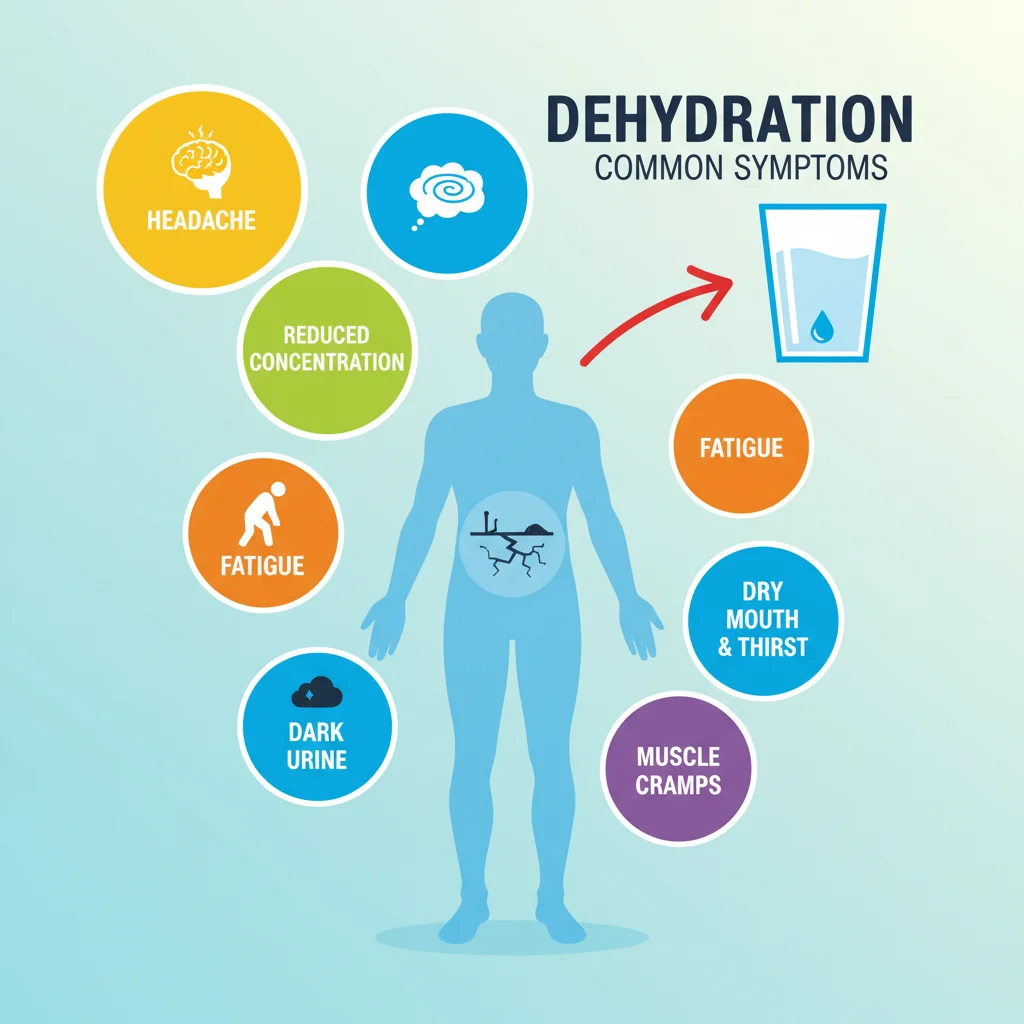
- Fatigue and Low Energy: Water plays a crucial role in energy production at the cellular level. Dehydration can lead to feelings of sluggishness and decreased stamina, making everyday tasks feel more arduous.
- Headaches and Dizziness: One of the most common symptoms of dehydration. The brain tissue can temporarily shrink when dehydrated, causing pain.
- Impaired Physical Performance: Even a 1-2% drop in body water can significantly impair athletic performance, reducing endurance, strength, and coordination.
- Digestive Issues: Water is essential for healthy digestion, helping to break down food and move waste through the digestive tract. Insufficient water intake can lead to constipation and other gastrointestinal discomforts.
- Kidney Stone Risk: Chronic dehydration is a major risk factor for kidney stone formation, as it allows minerals to crystallize in the kidneys.
- Skin Health: Dehydrated skin can appear dull, dry, and less elastic, exacerbating the appearance of fine lines and wrinkles.
- Compromised Immune Function: Proper hydration helps transport nutrients to cells and remove waste products, supporting a robust immune system.
- Joint Pain: Cartilage, which cushions joints, is about 80% water. Dehydration can reduce this cushioning, leading to increased joint pain.
Cognitive and Mental Health Effects
The brain is approximately 75% water, making it highly susceptible to even slight changes in hydration levels. Optimal hydration habits are critical for cognitive function.
- Reduced Concentration and Memory: Dehydration can impair cognitive functions like attention, memory, and information processing. You might find it harder to focus or recall information.
- Mood Swings and Irritability: Studies have shown a link between mild dehydration and negative mood states, including increased irritability, anxiety, and even depression.
- Slower Reaction Time: Decision-making and reaction times can be negatively affected, which can be particularly dangerous in situations like driving.
Cultivating Optimal Hydration Habits: A Practical Guide
The good news is that improving your hydration status is entirely within your control. It requires conscious effort and consistency, but the benefits are well worth it. Here’s a comprehensive guide to developing optimal hydration habits for life.
1. Understand Your Individual Needs
While general guidelines exist, your specific water needs can fluctuate. Consider these factors:
- Activity Level: If you exercise intensely or for prolonged periods, you’ll need more water to replace fluids lost through sweat.
- Climate: Hot, humid, or dry climates increase fluid loss.
- Health Status: Fever, vomiting, diarrhea, and certain medical conditions or medications can increase fluid requirements. Pregnant and breastfeeding women also have higher needs.
- Diet: A diet rich in fruits and vegetables contributes to fluid intake, while a diet high in processed foods may require more water.
A simple rule of thumb: aim for clear or very pale yellow urine. Dark urine is a clear sign of dehydration.
2. Make Water Accessible and Visible
Out of sight, out of mind is often true for hydration. Integrate water into your environment:
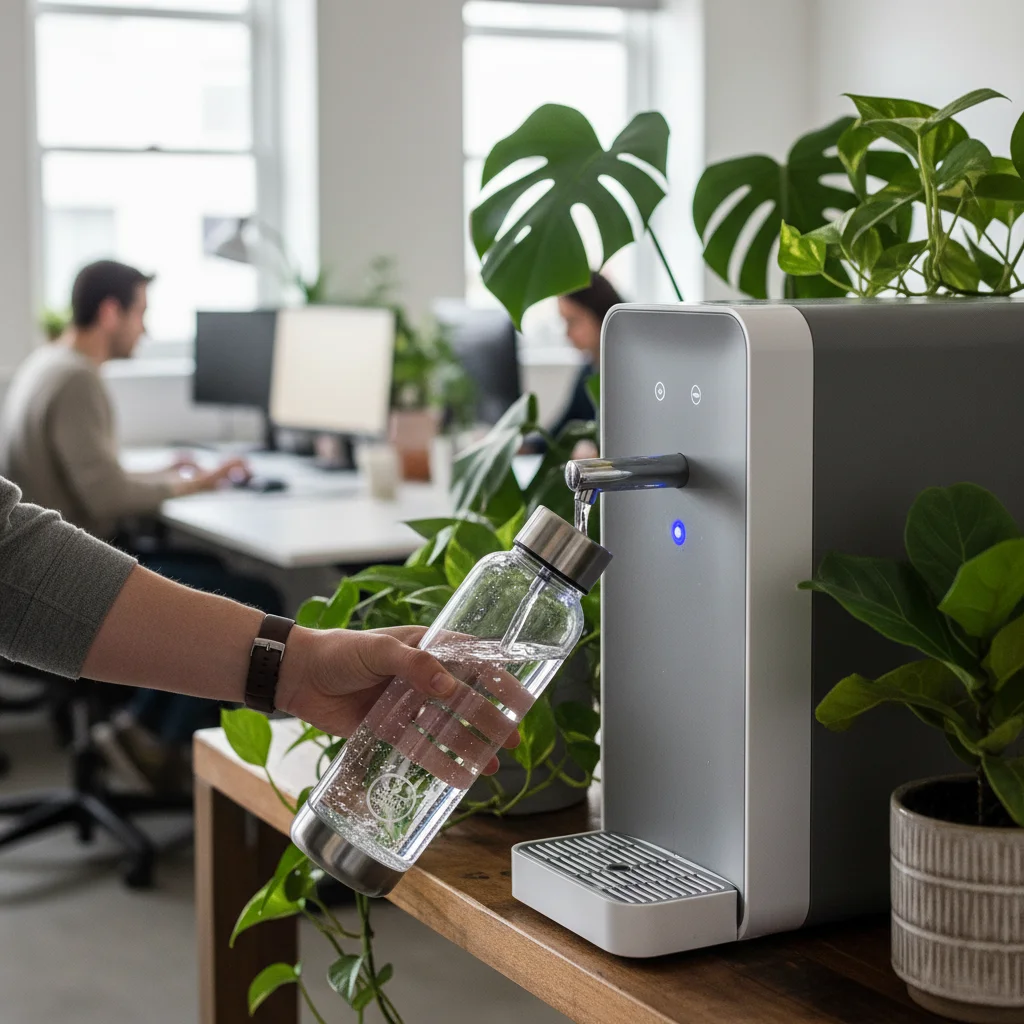
- Keep a Reusable Water Bottle Handy: This is perhaps the most effective strategy. Carry it everywhere – to work, to the gym, in your car, and keep it on your desk. Seeing it reminds you to drink.
- Place Water Strategically: Keep a glass of water on your nightstand, by your computer, or in your kitchen.
- Invest in a Good Water Filter: If tap water quality is a concern, a filter can make it more palatable and encourage consumption.
3. Establish a Hydration Routine
Habits are built through routine. Integrate water intake into your daily schedule:
- Start Your Day with Water: Drink a large glass of water immediately after waking up. It kickstarts your metabolism and rehydrates you after hours of sleep.
- Drink Before Meals: A glass of water 30 minutes before each meal can aid digestion and help manage portion control.
- Hydrate Between Meals: Sip water consistently throughout the day. Don’t wait until you’re thirsty.
- Pair Water with Other Habits: Drink water after brushing your teeth, before your morning coffee, or during your commute.
- Set Reminders: Use smartphone apps, alarms, or smart water bottles that track intake and send reminders.
4. Enhance the Appeal of Water
If plain water bores you, make it more interesting:
- Infused Water: Add slices of fruit (lemon, lime, orange), cucumber, mint leaves, or berries to your water for a refreshing flavor without added sugar.
- Sparkling Water: Opt for unsweetened sparkling water with a splash of fruit juice or a squeeze of citrus.
- Herbal Teas: Many herbal teas (caffeine-free) count towards your daily fluid intake and offer a variety of flavors.
- Eat Water-Rich Foods: Incorporate more fruits and vegetables like watermelon, strawberries, oranges, cucumbers, celery, and lettuce into your diet.
5. Be Mindful of Other Beverages
While some beverages contribute to fluid intake, others can hinder optimal hydration habits:
- Limit Sugary Drinks: Sodas, fruit juices with added sugar, and sweetened teas contribute empty calories and can lead to sugar crashes. Replace them with water.
- Moderate Caffeine and Alcohol: Both are diuretics, meaning they increase urine production and can lead to fluid loss. If you consume them, compensate by drinking extra water.
- Electrolyte Drinks: While useful for intense exercise or illness, most people don’t need them for daily hydration. Water is usually sufficient.
6. Track Your Progress
Monitoring your intake can be a powerful motivator:
- Manual Tracking: Use a journal or a simple tally system to record how many glasses or bottles of water you drink.
- Hydration Apps: Numerous apps are designed to help you track your water intake, set goals, and provide reminders.
- Visible Markers: Use a water bottle with time markers to encourage consistent sipping throughout the day.
Addressing Common Hydration Myths
Several misconceptions can prevent individuals from achieving optimal hydration habits. Let’s debunk a few:
- Myth: You need exactly eight glasses of water a day.
Reality: While a common guideline, the ‘eight glasses’ rule is arbitrary. Individual needs vary greatly based on activity, climate, health, and diet. Focus on listening to your body and observing urine color. - Myth: Thirst is the only indicator you need to drink.
Reality: As mentioned, thirst often signals you’re already mildly dehydrated. Proactive hydration is more effective than reactive hydration. - Myth: All fluids count equally towards hydration.
Reality: While some fluids like herbal tea and water-rich foods contribute, sugary drinks and excessive caffeine/alcohol can have a dehydrating effect. Water is always the best choice. - Myth: Drinking too much water is dangerous.
Reality: While it’s possible to drink too much water (hyponatremia), it’s rare in healthy individuals with normal kidney function and usually only occurs with extreme overconsumption in a short period, or in endurance athletes pushing their limits. For the vast majority, the concern is under-hydration, not over-hydration.
The Long-Term Benefits of Optimal Hydration
Embracing optimal hydration habits isn’t just about feeling better today; it’s an investment in your long-term health and vitality. Consistent proper hydration contributes to:
- Sustained Energy Levels: Say goodbye to the afternoon slump.
- Improved Mood and Cognitive Function: Think clearer, feel better.
- Enhanced Physical Performance: Achieve your fitness goals more effectively.
- Better Digestive Health: Promote regularity and nutrient absorption.
- Healthier Skin: A natural glow from within.
- Reduced Risk of Chronic Diseases: Supporting kidney function and overall organ health.
- Weight Management: Water can help you feel full, reducing overall calorie intake.
Overcoming Hydration Challenges in 2026 and Beyond
The journey to optimal hydration habits sometimes faces obstacles. Here’s how to navigate them:
- Forgetting to Drink: Leverage technology. Set hourly alarms on your phone or use a smart water bottle that reminds you to sip. Place visual cues in your environment.
- Disliking Plain Water: Experiment with infused water recipes. Try different temperatures (cold, room temperature) or types of water (filtered, sparkling).
- Frequent Bathroom Breaks: While it might be inconvenient initially, your body will adapt. It’s a sign your kidneys are working efficiently to flush out toxins. Focus on sipping smaller amounts more frequently rather than guzzling large quantities.
- Cost of Bottled Water: Invest in a good reusable bottle and filter your tap water. This is more economical and environmentally friendly.
- Busy Work Environment: Keep a water bottle at your desk and make it a point to refill it during short breaks. If you have meetings, bring your water bottle with you.
Conclusion: Make Optimal Hydration Habits a Priority
The fact that 60% of Americans are still not drinking enough water in 2026 is a wake-up call. It highlights a fundamental disconnect between basic physiological needs and daily practices. However, this challenge presents an immense opportunity for positive change. By understanding the profound impact of dehydration and implementing the practical strategies outlined in this guide, anyone can cultivate optimal hydration habits.
It’s not about perfection overnight, but about consistent, mindful effort. Start small, make water a visible and accessible part of your life, and listen to your body. The cumulative effect of proper hydration will manifest in increased energy, improved concentration, better physical health, and an overall enhanced quality of life. Make 2026 the year you prioritize your hydration and unlock the full spectrum of its benefits. Your body will thank you.