Personalized Nutrition 2026: DNA Diets Revolutionize American Eating Habits
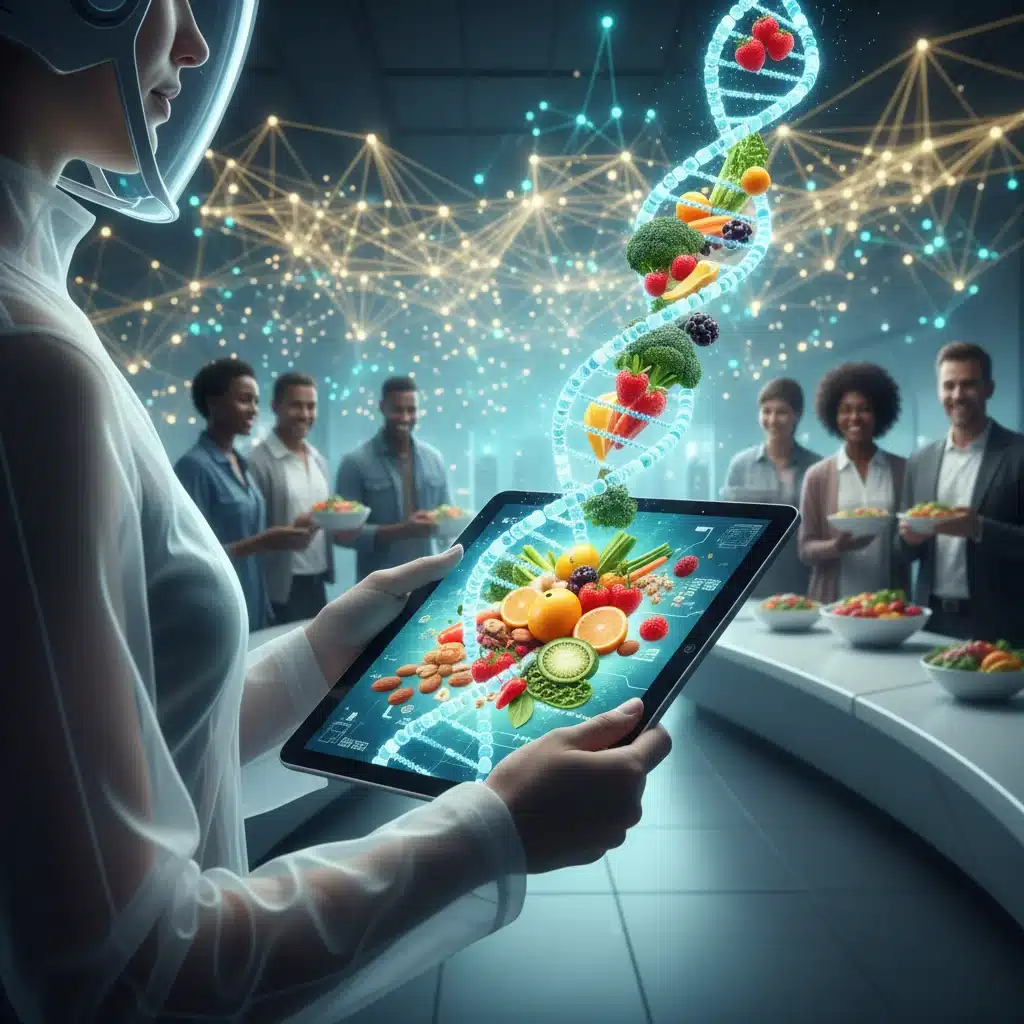
In the ever-evolving landscape of health and wellness, a groundbreaking revolution is quietly reshaping how Americans approach their daily sustenance. By 2026, the concept of a one-size-fits-all diet will be largely relegated to the past, as DNA-based nutrition emerges as a dominant force, guiding millions towards optimal health through highly personalized eating plans. This isn’t just a fleeting trend; it’s a profound paradigm shift, driven by scientific advancements that allow us to decode our unique genetic blueprints and tailor our diets accordingly. With projections indicating over a million Americans adopting these bespoke eating habits, the era of personalized nutrition is not just on the horizon – it’s already here.
For decades, dietary advice has been broad, often contradictory, and frequently frustrating for individuals seeking tangible health improvements. From low-fat to low-carb, vegan to paleo, the sheer volume of information can be overwhelming, leaving many feeling lost in a sea of recommendations. The fundamental flaw in these generalized approaches lies in their failure to acknowledge the incredible biological diversity within the human population. What works wonders for one person might be ineffective or even detrimental for another. This is where DNA-based nutrition steps in, offering a precise, evidence-backed solution that moves beyond guesswork and into the realm of genomic precision.
The premise is elegantly simple yet profoundly impactful: our genes hold a wealth of information about how our bodies process nutrients, metabolize fats and carbohydrates, respond to certain vitamins, and even predispose us to specific food sensitivities or chronic diseases. By analyzing this genetic data, experts can craft a dietary strategy that is uniquely calibrated to an individual’s biological needs, maximizing health benefits and minimizing risks. This article will delve into the intricate science behind DNA-based nutrition, explore its burgeoning popularity, highlight the transformative benefits experienced by early adopters, and cast a forward glance at its future trajectory in the American health landscape.
The Scientific Foundation: Unpacking Nutrigenomics and Nutrigenetics
At the heart of DNA-based nutrition lies the fascinating field of nutrigenomics and its close cousin, nutrigenetics. While often used interchangeably, these terms represent distinct yet complementary aspects of how our genes interact with our diet.
Nutrigenomics: How Diet Affects Gene Expression
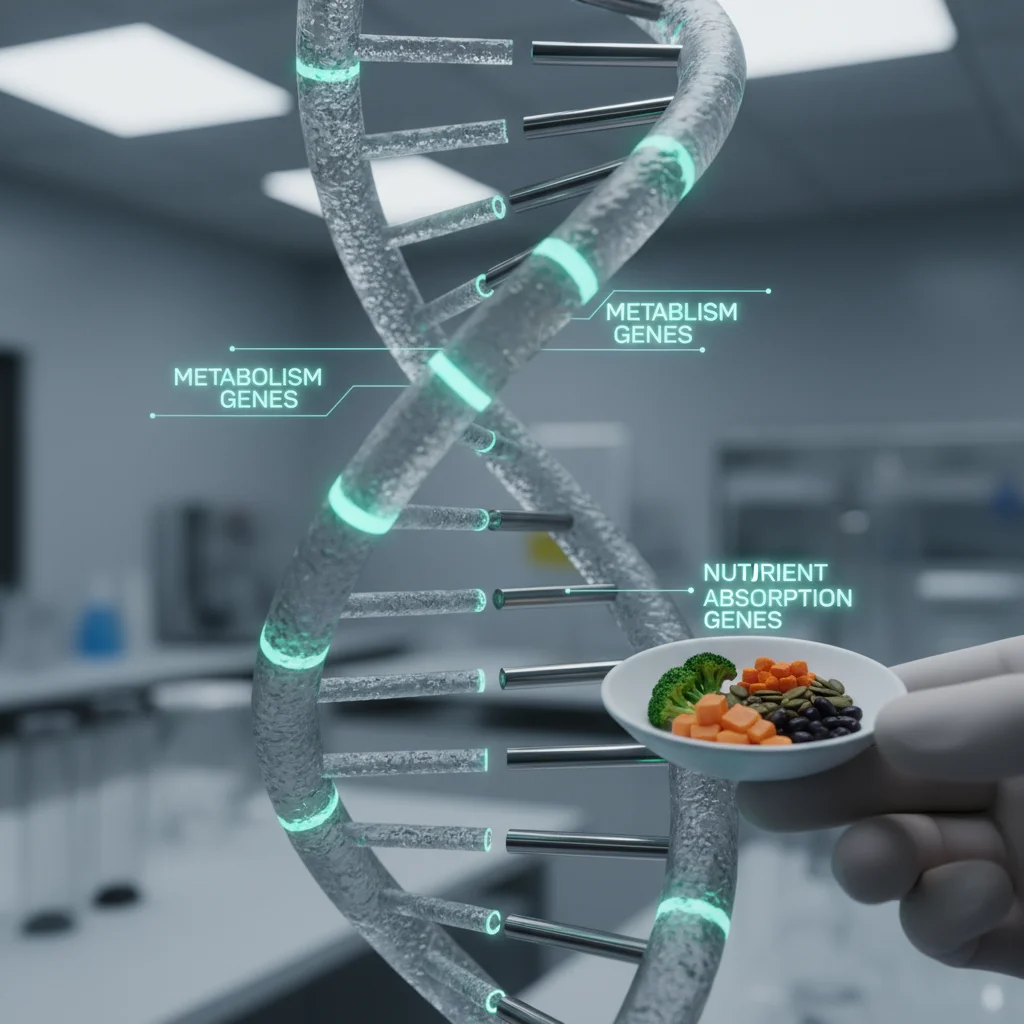
Nutrigenomics explores how nutrients and bioactive compounds in food influence gene expression. It examines how what we eat can literally switch genes on or off, affecting our metabolic pathways, disease risk, and overall health. For instance, certain compounds found in broccoli can activate genes involved in detoxification, while excessive sugar consumption can upregulate genes associated with inflammation and insulin resistance. Understanding these interactions allows for dietary recommendations that actively promote beneficial gene expression and suppress detrimental ones.
Nutrigenetics: How Genes Affect Dietary Response
Nutrigenetics, on the other hand, focuses on how our individual genetic variations (polymorphisms) influence our response to specific nutrients and dietary patterns. A classic example is the MTHFR gene, variations of which can affect how an individual processes folate. Someone with a particular MTHFR variant might require more dietary folate or a specific form of it to maintain optimal health. Similarly, genetic predispositions can dictate how efficiently we metabolize caffeine, how our bodies handle saturated fats, or our susceptibility to lactose intolerance. Nutrigenetics provides the roadmap for tailoring diets to these inherent genetic differences.
The Synergy: Building a Personalized Dietary Blueprint
When combined, nutrigenomics and nutrigenetics offer a powerful framework for DNA-based nutrition. By analyzing an individual’s genetic profile – typically through a simple saliva or cheek swab test – scientists and nutritionists can identify key genetic markers that impact their dietary needs. This includes:
- Macronutrient Ratios: Determining optimal ratios of carbohydrates, proteins, and fats for energy, weight management, and metabolic health. Some individuals thrive on higher fat diets, while others do better with more carbohydrates, all influenced by their genetic makeup.
- Micronutrient Needs: Identifying deficiencies or increased requirements for specific vitamins and minerals (e.g., Vitamin D, B vitamins, iron) due to genetic variations affecting absorption or metabolism.
- Food Sensitivities and Intolerances: Pinpointing genetic predispositions to conditions like lactose intolerance, gluten sensitivity, or sensitivities to certain food additives.
- Metabolic Traits: Understanding how genes influence caffeine metabolism, alcohol tolerance, antioxidant capacity, and detoxification pathways.
- Exercise Response: Even exercise recommendations can be influenced by genetic data, guiding individuals to types of physical activity that best complement their genetic predispositions for endurance or strength.
- Disease Risk Mitigation: While genes are not destiny, understanding genetic predispositions to conditions like type 2 diabetes, heart disease, or certain cancers allows for proactive dietary interventions to mitigate risk.
This comprehensive genetic analysis forms the bedrock upon which truly personalized dietary recommendations are built, moving beyond general dietary guidelines to a level of precision previously unimaginable.
The Rise of DNA-Based Nutrition in America: Over 1 Million Strong by 2026
The journey of DNA-based nutrition from niche scientific concept to mainstream health solution has been rapid and impactful. Over the past few years, advancements in genomic sequencing technology have made genetic testing more accessible and affordable, democratizing access to this personalized health information. What was once the exclusive domain of research labs is now available to the general public through a growing number of direct-to-consumer companies and integrative health practitioners.
Several factors contribute to the accelerating adoption rate:
- Increased Health Consciousness: Americans are increasingly proactive about their health, seeking more effective and individualized strategies for wellness, weight management, and disease prevention.
- Technological Accessibility: The ease of at-home genetic testing kits, coupled with user-friendly digital platforms that interpret results and provide recommendations, has lowered the barrier to entry significantly.
- Frustration with Generic Diets: Many individuals have experienced the limitations of conventional diets, leading them to seek more tailored and effective approaches.
- Growing Scientific Validation: A rapidly expanding body of scientific research continues to validate the principles of nutrigenomics and nutrigenetics, building trust and credibility in the field.
- Influencer and Media Attention: High-profile endorsements and media coverage have amplified awareness and interest in personalized genetic diets.
By 2026, the milestone of over 1 million Americans embracing DNA-based nutrition is a testament to its perceived efficacy and the growing desire for hyper-personalized health solutions. This demographic includes not only those struggling with chronic health conditions but also health-conscious individuals seeking to optimize their performance, longevity, and overall well-being.
Transformative Benefits: Why Americans Are Embracing Personalized Diets
The allure of DNA-based nutrition extends far beyond mere curiosity; it’s rooted in the tangible, life-changing benefits reported by those who adopt it. These benefits span a wide spectrum of health and wellness outcomes, demonstrating the profound impact of eating according to one’s genetic code.
1. Enhanced Weight Management
One of the most sought-after benefits is more effective weight management. For many, traditional calorie-counting or fad diets yield temporary results or none at all. DNA-based nutrition provides insights into how an individual’s body processes fats, carbohydrates, and proteins, and how their genes influence appetite regulation and satiety. For example, some individuals may have genetic variants that make them less efficient at burning fat, suggesting a lower-fat diet might be more effective for weight loss. Others might have genes that predispose them to higher cravings for sugary foods. Armed with this knowledge, individuals can adopt dietary strategies that work synergistically with their biology, leading to more sustainable weight loss and maintenance.
2. Optimized Energy Levels and Reduced Fatigue
Chronic fatigue is a pervasive issue in modern society. Often, it’s a symptom of inefficient nutrient utilization or food sensitivities. Genetic insights can reveal specific vitamin deficiencies (e.g., B12, folate, D) or metabolic pathways that are less efficient. By adjusting the diet to provide optimal levels of these nutrients or supporting specific metabolic processes, individuals often report significant improvements in energy levels, mental clarity, and overall vitality. Tailoring meal timing and macronutrient distribution based on genetic predispositions can also prevent energy crashes and promote stable blood sugar.
3. Improved Gut Health and Digestion
The gut microbiome plays a critical role in overall health, and its composition is influenced by both genetics and diet. DNA-based nutrition can identify genetic predispositions to conditions like irritable bowel syndrome (IBS), lactose intolerance, or gluten sensitivity. With this information, individuals can eliminate trigger foods that cause inflammation or digestive distress, and instead, focus on foods that support a healthy gut flora, leading to reduced bloating, discomfort, and improved nutrient absorption.
4. Proactive Disease Prevention
Perhaps the most profound long-term benefit of DNA-based nutrition is its potential for proactive disease prevention. While genetic predispositions do not guarantee illness, they highlight areas of increased risk. For example, knowing one has a genetic variant associated with an increased risk of heart disease can prompt a diet rich in heart-healthy fats, antioxidants, and fiber, while limiting saturated fats and processed foods. Similarly, insights into genetic risks for type 2 diabetes can guide dietary choices toward low-glycemic foods and appropriate macronutrient balances. This empowers individuals to make informed choices that actively reduce their lifetime risk of chronic conditions.
5. Enhanced Athletic Performance and Recovery
Athletes are increasingly turning to DNA-based nutrition to gain a competitive edge. Genetic insights can inform optimal pre- and post-workout nutrition, recovery strategies, and even guide training regimens. For instance, some genes influence muscle fiber type composition, recovery speed, and susceptibility to oxidative stress. Tailoring nutrient intake to support these genetic traits can lead to faster recovery, reduced injury risk, and improved performance. This level of precision allows athletes to fuel their bodies in a way that is perfectly aligned with their unique physiological demands.
6. Better Skin Health and Anti-Aging
Our diet profoundly impacts our skin’s health and appearance. Genetic analysis can reveal predispositions to oxidative stress, inflammation, and collagen breakdown – all factors contributing to skin aging and various dermatological conditions. A DNA-based nutrition plan might emphasize foods rich in specific antioxidants, anti-inflammatory compounds, or nutrients that support collagen synthesis, leading to clearer, healthier, and more youthful-looking skin.
These transformative benefits collectively underscore why so many Americans are not just trying but committing to DNA-based nutrition. It offers a level of control and understanding over one’s health that was previously unattainable, moving beyond generic advice to truly personalized well-being.
The Process: How DNA-Based Nutrition Works
Embarking on a DNA-based nutrition journey typically involves a few key steps:
- Genetic Testing: The process begins with a simple at-home genetic test kit, usually involving a saliva sample or a cheek swab. This sample is sent to a specialized lab for analysis.
- DNA Analysis: The lab sequences specific genes known to influence metabolism, nutrient absorption, food sensitivities, and disease risk.
- Report Generation: A comprehensive report is generated, detailing the individual’s genetic predispositions and how they relate to various aspects of nutrition and health.
- Personalized Recommendations: Based on the genetic report, often combined with lifestyle factors, health goals, and current dietary habits, a certified nutritionist or dietitian develops a personalized dietary plan. This plan includes specific food recommendations, portion sizes, meal timing, and supplementation advice.
- Implementation and Support: Individuals then implement their personalized plan, often with ongoing support, coaching, and adjustments as needed, to ensure optimal adherence and results.
The entire process is designed to be user-friendly and actionable, translating complex genetic data into practical, everyday dietary choices.
Challenges and Considerations in the DNA-Based Nutrition Landscape
While the promise of DNA-based nutrition is immense, it’s important to acknowledge the challenges and ethical considerations that accompany its rapid growth.
1. Scientific Interpretation and Over-Simplification
The human genome is incredibly complex, and the interaction between genes, diet, and environment is still being extensively researched. Some critics argue that certain direct-to-consumer genetic tests might oversimplify genetic influences or make definitive dietary recommendations based on limited scientific evidence. It’s crucial for consumers to choose reputable companies and work with qualified professionals who can accurately interpret the data and provide evidence-based advice.
2. Data Privacy and Security
Submitting one’s DNA sample raises legitimate concerns about data privacy and how genetic information is stored, used, and shared. Consumers should carefully review the privacy policies of genetic testing companies and understand their rights regarding their genetic data.
3. Cost and Accessibility
While prices have decreased, genetic testing and personalized nutritional coaching can still be a significant investment, potentially limiting access for some economic demographics. As the field matures, it’s hoped that these services will become more widely accessible and potentially covered by insurance.
4. The Role of Environment and Lifestyle
It’s vital to remember that genetics are not the sole determinant of health. Lifestyle factors, environmental exposures, stress levels, sleep quality, and physical activity all play crucial roles. DNA-based nutrition should be viewed as one powerful tool within a holistic approach to health, not a standalone magic bullet.
5. The Need for Professional Guidance
Interpreting complex genetic reports and translating them into practical, safe, and effective dietary plans requires expertise. Relying solely on automated reports without the guidance of a qualified nutritionist or dietitian could lead to suboptimal or even harmful dietary choices. Professional oversight ensures that genetic insights are integrated into a comprehensive health strategy.

The Future of Eating: Beyond 2026
As we look beyond 2026, the trajectory of DNA-based nutrition is one of continued innovation and integration. The initial milestone of over a million adopters is just the beginning. We can anticipate several key developments:
- Deeper Genomic Insights: Ongoing research will uncover more complex gene-nutrient interactions, leading to even more refined and precise dietary recommendations.
- Integration with Wearable Technology: Expect seamless integration of genetic data with real-time biometric tracking from wearables (e.g., glucose monitors, activity trackers). This will allow for dynamic dietary adjustments based on immediate physiological responses.
- AI and Machine Learning: Artificial intelligence will play an increasingly significant role in analyzing vast amounts of genetic, dietary, and lifestyle data to predict optimal nutritional strategies with greater accuracy.
- Personalized Food Products: The food industry is likely to respond with a new generation of personalized food products, supplements, and meal delivery services tailored to specific genetic profiles.
- Preventive Healthcare Integration: DNA-based nutrition will become a standard component of preventive healthcare, with doctors and insurance providers increasingly recommending or even covering genetic testing for dietary guidance.
- Education and Regulation: As the field grows, there will be a greater emphasis on educating both consumers and healthcare professionals, alongside the development of robust regulatory frameworks to ensure ethical practices and scientific integrity.
The vision is a future where eating is no longer a guessing game but a scientifically informed act of self-care, perfectly aligned with our unique biological makeup. This personalized approach promises not just healthier individuals, but potentially a healthier society, with reduced burdens of diet-related chronic diseases.
Conclusion: A New Era of Empowered Eating
The advent of DNA-based nutrition marks a pivotal moment in the history of human health. By 2026, with over a million Americans having embraced this cutting-edge approach, it’s clear that the future of eating is deeply personal and genetically informed. No longer content with generic dietary advice, individuals are seeking and finding profound benefits in understanding their unique genetic predispositions and tailoring their food choices accordingly.
From enhanced weight management and optimized energy to proactive disease prevention and improved athletic performance, the transformative power of DNA-based nutrition is undeniable. While challenges related to scientific interpretation, data privacy, and accessibility remain, the rapid advancements in technology and scientific understanding are paving the way for an even more integrated and impactful future.
This is more than just a diet; it’s a fundamental shift in how we perceive our relationship with food. It’s about empowering individuals with the knowledge to make informed choices that resonate with their deepest biological needs, leading to a life of greater vitality, resilience, and well-being. As we move forward, DNA-based nutrition is poised to continue its revolution, guiding us toward an era of truly personalized health, one bite at a time.