Smart Gardening Solutions: Automated Products Save 30% Water in US Gardens
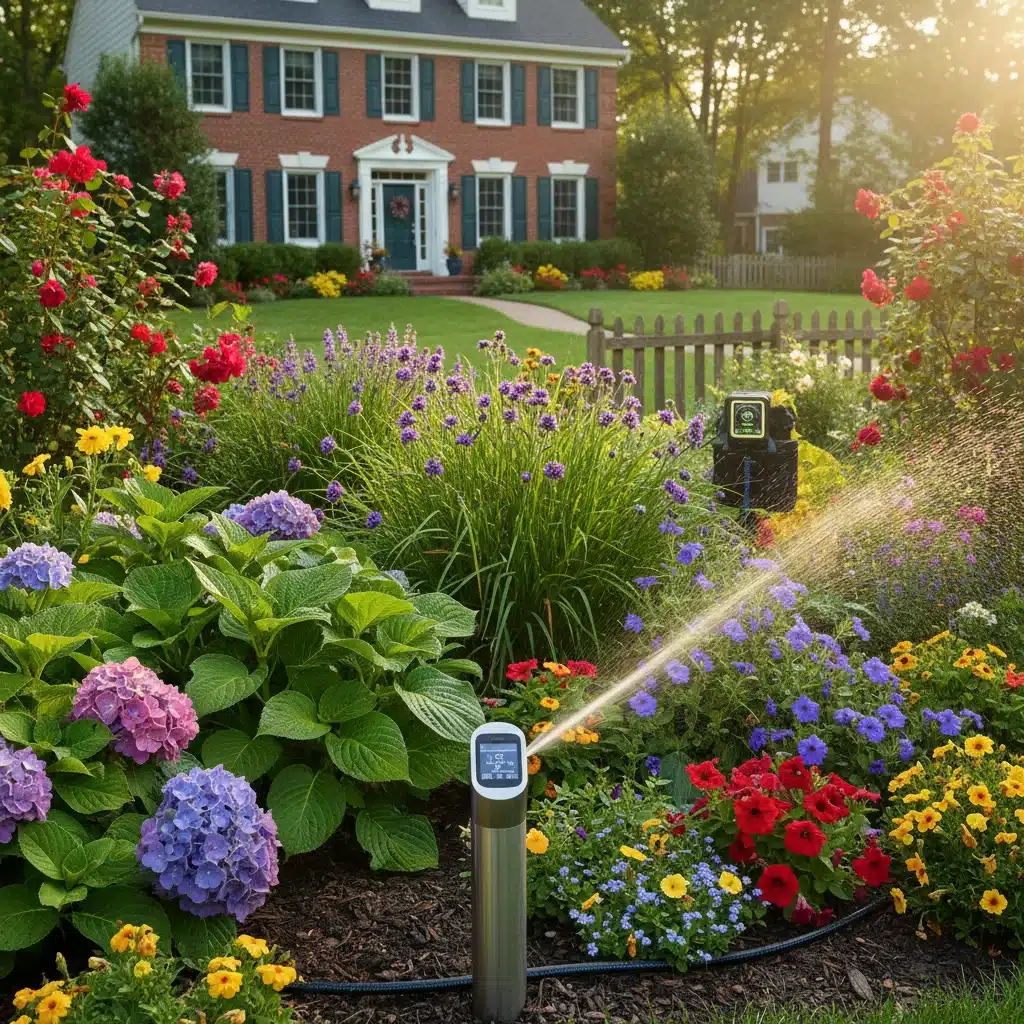
In an era where sustainability and efficiency are paramount, the concept of gardening is undergoing a profound transformation. Gone are the days of manual watering, guesswork, and significant water waste. Welcome to the age of smart gardening solutions, where technology meets horticulture to create more resilient, vibrant, and water-efficient landscapes. For US gardeners, the promise of saving up to 30% on water usage this year is not just an aspiration but an achievable reality, thanks to a new generation of automated products.
The average American household uses a substantial amount of water outdoors, with landscaping often accounting for over 50% of total residential water use in many regions. This statistic alone underscores the immense potential for water conservation in our gardens. By embracing smart gardening solutions, we not only contribute to environmental preservation but also enjoy healthier plants, reduced utility bills, and more leisure time. This comprehensive guide will delve into three groundbreaking automated products that are revolutionizing how we approach gardening, helping you cultivate a thriving garden while significantly cutting down on water consumption.
The Urgency of Water Conservation in US Gardens
Before we dive into the specifics of smart gardening solutions, it’s crucial to understand why water conservation in gardens is more critical than ever. The United States faces increasing challenges related to water scarcity, particularly in Western and Southwestern states, but also in other regions experiencing prolonged droughts. Climate change exacerbates these issues, making efficient water management a national priority.
Traditional watering methods, such as fixed-schedule sprinklers or manual hose watering, are notoriously inefficient. They often lead to overwatering, runoff, and evaporation, all of which contribute to significant water loss. This waste not only depletes a valuable natural resource but also impacts your wallet through higher water bills. Furthermore, overwatering can be detrimental to plant health, leading to root rot, fungal diseases, and nutrient leaching. Smart gardening solutions offer a precise, data-driven approach that addresses these inefficiencies head-on.
The appeal of saving 30% on water usage is not just economic; it’s also about fostering a more sustainable lifestyle. Imagine the collective impact if every US gardener adopted these practices. The benefits would extend far beyond individual households, contributing to healthier local ecosystems, reduced strain on municipal water supplies, and a more sustainable future for all.
Product 1: Smart Irrigation Controllers – The Brains Behind Water Savings
At the forefront of smart gardening solutions are smart irrigation controllers. These devices are a significant upgrade from traditional timer-based systems, acting as the intelligent hub of your garden’s watering regimen. Unlike conventional controllers that operate on a fixed schedule regardless of actual need, smart irrigation controllers leverage advanced technology to water your garden only when and where it’s necessary.
How Smart Irrigation Controllers Work
The magic of smart irrigation controllers lies in their ability to integrate various data points to create an optimized watering schedule. They typically connect to local weather forecasts, often via Wi-Fi, to anticipate rain, wind, and temperature changes. Some models also incorporate or connect to soil moisture sensors placed directly in your garden beds. This combination of meteorological and ground-level data allows the controller to make informed decisions.
For instance, if rain is predicted, the controller will automatically skip a scheduled watering cycle. If the soil is already sufficiently moist, it will delay watering until the plants truly need it. Conversely, during hot, dry spells, it might adjust the watering duration or frequency to ensure adequate hydration without waste. This dynamic adjustment is key to achieving significant water savings, often exceeding the 30% mark.
Key Features to Look For:
- Weather Intelligence: Integration with local weather stations or online weather services for predictive watering.
- Seasonal Adjustment: Automatically adapts watering schedules to changing seasons.
- Zone Control: Allows for customized watering schedules for different areas of your garden, accounting for varying plant needs and soil types.
- Smartphone App Control: Manage and monitor your irrigation system from anywhere, anytime, with intuitive mobile applications.
- Flow Sensors: Some advanced models include flow sensors to detect leaks or blockages, preventing water loss and potential damage.
- Integration Capabilities: Compatibility with other smart home systems (e.g., Google Home, Amazon Alexa) for a fully integrated smart living experience.
Investing in a smart irrigation controller is perhaps the single most impactful step you can take towards more efficient watering. Brands like Rachio, Rain Bird, and Hunter offer a range of sophisticated options that cater to various garden sizes and budgets, making smart gardening solutions accessible to everyone.
Product 2: Soil Moisture Sensors – Understanding Your Garden’s Thirst
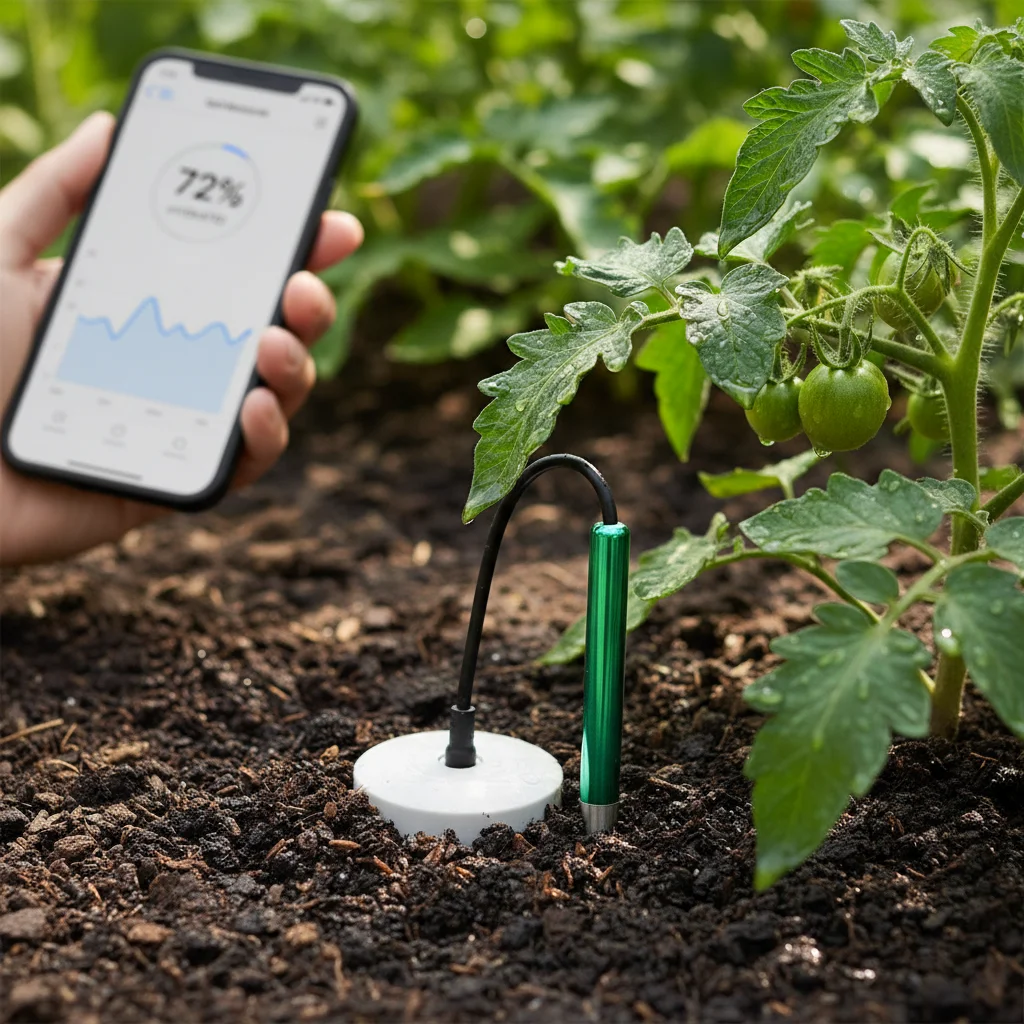
While smart irrigation controllers provide the overarching strategy, soil moisture sensors offer the granular, real-time data that makes precision watering possible. These unassuming devices are critical components of effective smart gardening solutions, working in tandem with controllers or as standalone indicators to prevent both under and overwatering.
How Soil Moisture Sensors Work
Soil moisture sensors are probes inserted directly into the soil at root level. They measure the volumetric water content of the soil, providing an accurate assessment of how much moisture is available to your plants. This data is then transmitted wirelessly to a central hub or directly to your smartphone app.
The beauty of these sensors lies in their ability to tell you exactly when your plants are thirsty. Instead of relying on a predetermined schedule, you water based on actual need. This eliminates the common problem of watering while the soil is still saturated, a major cause of water waste and plant stress. For US gardeners aiming for a 30% water saving, understanding and responding to real-time soil conditions is indispensable.
Benefits and Types:
- Hyper-Localized Watering: Ensures each section of your garden receives the precise amount of water it needs, tailored to its specific conditions.
- Prevents Overwatering: Significantly reduces the risk of root rot, fungal diseases, and nutrient runoff.
- Optimizes Plant Health: By maintaining optimal soil moisture levels, plants are healthier, more resilient, and productive.
- Continuous Monitoring: Provides constant updates on soil conditions, often accessible via a mobile app, giving you peace of mind.
- Capacitive vs. Resistive: Capacitive sensors are generally more durable and accurate over time, as they don’t directly contact the soil’s electrical properties. Resistive sensors are simpler and often more affordable.
When selecting soil moisture sensors, consider the size of your garden and the variety of plants. For larger gardens or those with diverse plant needs, multiple sensors placed in different zones will provide the most accurate data. Combine them with a smart irrigation controller for truly automated and optimized watering. This combination is a cornerstone of effective smart gardening solutions.
Product 3: Smart Drip Irrigation Systems – Targeted Water Delivery
While smart controllers and soil sensors manage when and how much to water, smart drip irrigation systems dictate where the water goes. These systems are paragons of efficiency, delivering water directly to the root zone of plants, minimizing evaporation and runoff – two major culprits of water waste in traditional sprinkler systems. For US gardeners, integrating smart drip irrigation is a game-changer for achieving those coveted 30% water savings.
The Efficiency of Drip Irrigation
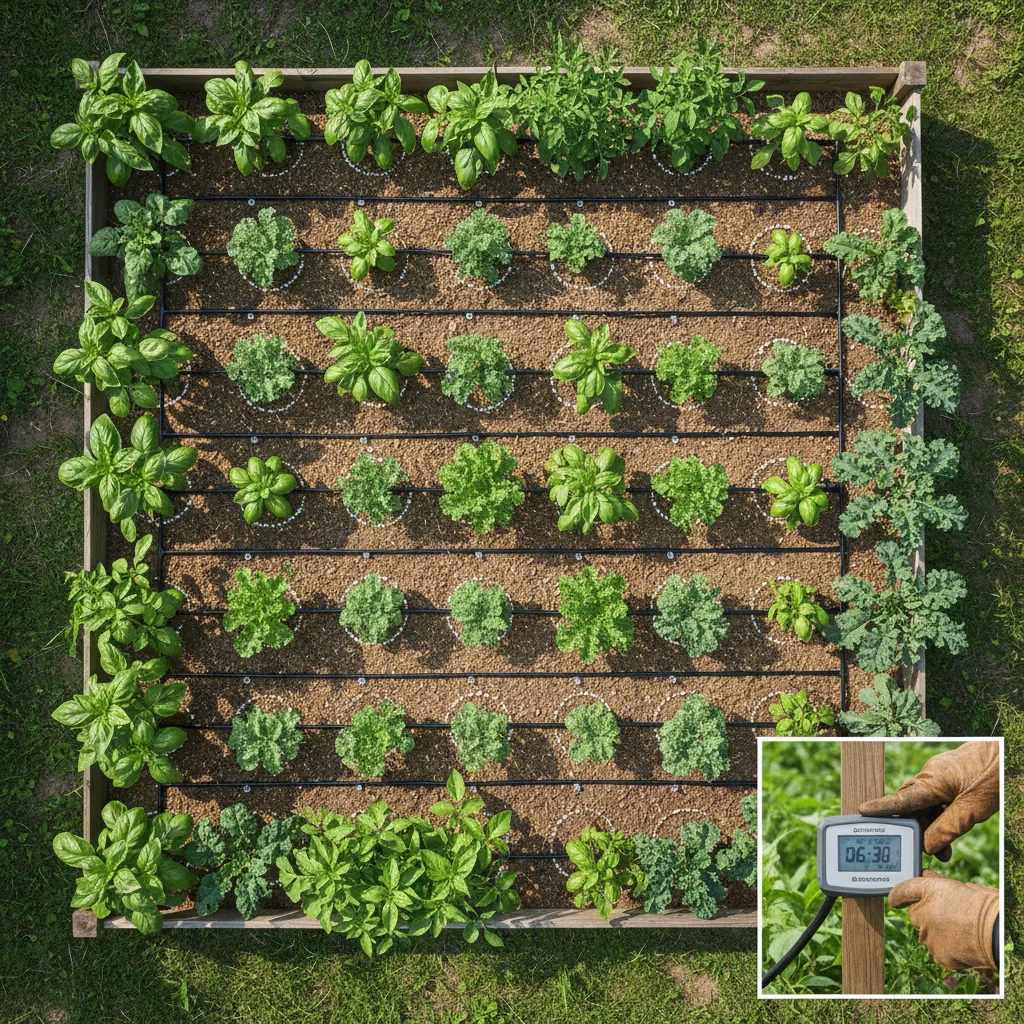
Drip irrigation systems consist of a network of tubes and emitters that slowly and precisely release water directly at the base of plants. This method ensures that nearly all the water applied is absorbed by the plant’s roots, with minimal loss to the atmosphere or surrounding soil. When coupled with smart technology, these systems become incredibly intelligent, adjusting flow rates and durations based on real-time data from soil moisture sensors and weather forecasts.
Unlike overhead sprinklers that wet foliage and can encourage fungal diseases, drip irrigation keeps leaves dry, promoting healthier plant growth. It’s particularly effective for vegetable gardens, flower beds, shrubs, and trees, where targeted watering is most beneficial. The slow application rate also allows water to penetrate deeply into the soil, encouraging stronger root development.
Integrating Smart Drip Systems:
- Customizable Layouts: Drip systems can be tailored to fit any garden layout, from neatly aligned rows to irregularly shaped beds.
- Pressure Regulation: Smart components can monitor and regulate water pressure, ensuring consistent delivery across the entire system.
- Automated Zone Control: Modern drip systems can be divided into zones, each with an independent watering schedule controlled by a smart irrigation controller.
- Fertigation Capabilities: Some advanced systems allow for the injection of fertilizers directly into the drip lines, delivering nutrients precisely where they are needed – another aspect of holistic smart gardening solutions.
- Reduced Weed Growth: Since water is delivered only to desired plants, weed growth in unwatered areas is significantly reduced.
The combination of a smart irrigation controller, soil moisture sensors, and a smart drip irrigation system represents the pinnacle of water-efficient gardening. This trifecta offers unparalleled control and precision, making the goal of 30% water savings not just attainable, but often surpassable for US gardeners.
Beyond the Products: Cultivating a Smart Gardening Mindset
While these three automated products are powerful tools, true smart gardening solutions extend beyond technology. It’s also about adopting a mindset that prioritizes efficiency and sustainability. Here are additional tips to maximize your water savings and enhance your garden’s health:
Choose Drought-Tolerant Plants
One of the simplest yet most effective ways to reduce water consumption is to select plants that are naturally adapted to your local climate and require less water. Xeriscaping, the practice of landscaping with water-efficient plants, is gaining popularity across the US. Native plants, in particular, are excellent choices as they are already accustomed to local rainfall patterns and soil conditions.
Mulch, Mulch, Mulch!
Applying a layer of organic mulch (such as wood chips, straw, or shredded leaves) around your plants is a golden rule in water conservation. Mulch acts as a protective blanket, reducing water evaporation from the soil surface, suppressing weed growth (which competes for water), and moderating soil temperature. A 2-4 inch layer of mulch can dramatically reduce your garden’s water needs.
Improve Soil Health
Healthy soil is living soil, rich in organic matter. Soil with a high organic content has a greater capacity to retain water and nutrients, making it more resilient to dry spells. Incorporate compost and other organic amendments into your garden beds regularly to improve soil structure and water-holding capacity. This foundational step enhances the effectiveness of all smart gardening solutions.
Water at the Right Time
Even with automated systems, understanding optimal watering times is beneficial. The best time to water is in the early morning, between 5 AM and 9 AM. This allows water to penetrate the soil before the heat of the day causes significant evaporation, and it gives foliage time to dry, reducing the risk of fungal diseases. Watering in the evening can be an alternative, but prolonged wetness overnight can sometimes foster disease.
The Environmental and Economic Impact of Smart Gardening Solutions
The adoption of smart gardening solutions is not merely a trend; it’s a vital movement towards a more sustainable future. The environmental impact of saving 30% of water across US gardens is profound. It means less strain on natural water sources, reduced energy consumption associated with water treatment and distribution, and a smaller carbon footprint. Every drop saved contributes to preserving precious ecosystems and ensuring water availability for future generations.
Economically, the benefits are equally compelling. Reduced water bills are the most immediate and tangible advantage for homeowners. Over time, the savings can significantly offset the initial investment in smart gardening technology. Furthermore, healthier plants require less intervention in terms of pest control and disease treatment, leading to further savings on garden maintenance products. The long-term value of a thriving, water-efficient garden also adds to property appeal and value.
Challenges and Considerations
While the benefits of smart gardening solutions are clear, there are a few considerations and potential challenges:
- Initial Investment: The upfront cost of smart irrigation controllers, soil moisture sensors, and drip systems can be higher than traditional alternatives. However, the long-term water savings and improved plant health typically provide a strong return on investment.
- Installation Complexity: Some smart systems may require a bit more technical know-how for installation, although many are designed for DIY enthusiasts. Professional installation services are also available.
- Connectivity: Reliable Wi-Fi connectivity is essential for most smart gardening devices. Ensure your garden area has adequate signal strength.
- Maintenance: Like any irrigation system, smart gardening solutions require periodic maintenance, such as cleaning drip emitters and checking sensor calibration, to ensure optimal performance.
Despite these challenges, the advantages overwhelmingly outweigh the drawbacks, making smart gardening an increasingly attractive option for environmentally conscious and efficiency-minded gardeners.
Future of Smart Gardening
The landscape of smart gardening solutions is continuously evolving. We can anticipate even more integrated systems, leveraging artificial intelligence and machine learning to predict plant needs with greater accuracy. Imagine systems that not only monitor soil moisture but also analyze plant growth, nutrient levels, and even detect early signs of disease, adjusting watering and feeding schedules autonomously.
Further advancements in sensor technology will likely lead to even more precise data collection, while improved battery life and wireless communication protocols will make devices more robust and easier to deploy. The convergence of smart home technology with gardening will create seamless outdoor living experiences, where your garden intelligently cares for itself, allowing you more time to simply enjoy its beauty.
Conclusion: Embrace the Smart Gardening Revolution
For US gardeners, the opportunity to save 30% or more on water usage this year is within reach, thanks to innovative smart gardening solutions. By integrating smart irrigation controllers, soil moisture sensors, and efficient drip irrigation systems, you can transform your garden into a model of sustainability and efficiency. These technologies not only conserve a precious resource but also foster healthier, more vibrant plant life, reduce maintenance efforts, and lower utility costs.
Beyond the impressive technological advancements, adopting a smart gardening approach encourages a deeper connection with your garden and a greater understanding of its needs. It’s about empowering yourself with knowledge and tools to make informed decisions that benefit both your plants and the planet.
Take the leap into the future of gardening. Explore these automated products, adopt water-wise practices, and join the growing community of US gardeners who are making a significant difference, one smart garden at a time. Your plants, your wallet, and the environment will thank you.