Sustainable Fashion Brands 2026: Redefining Your Eco-Friendly Wardrobe
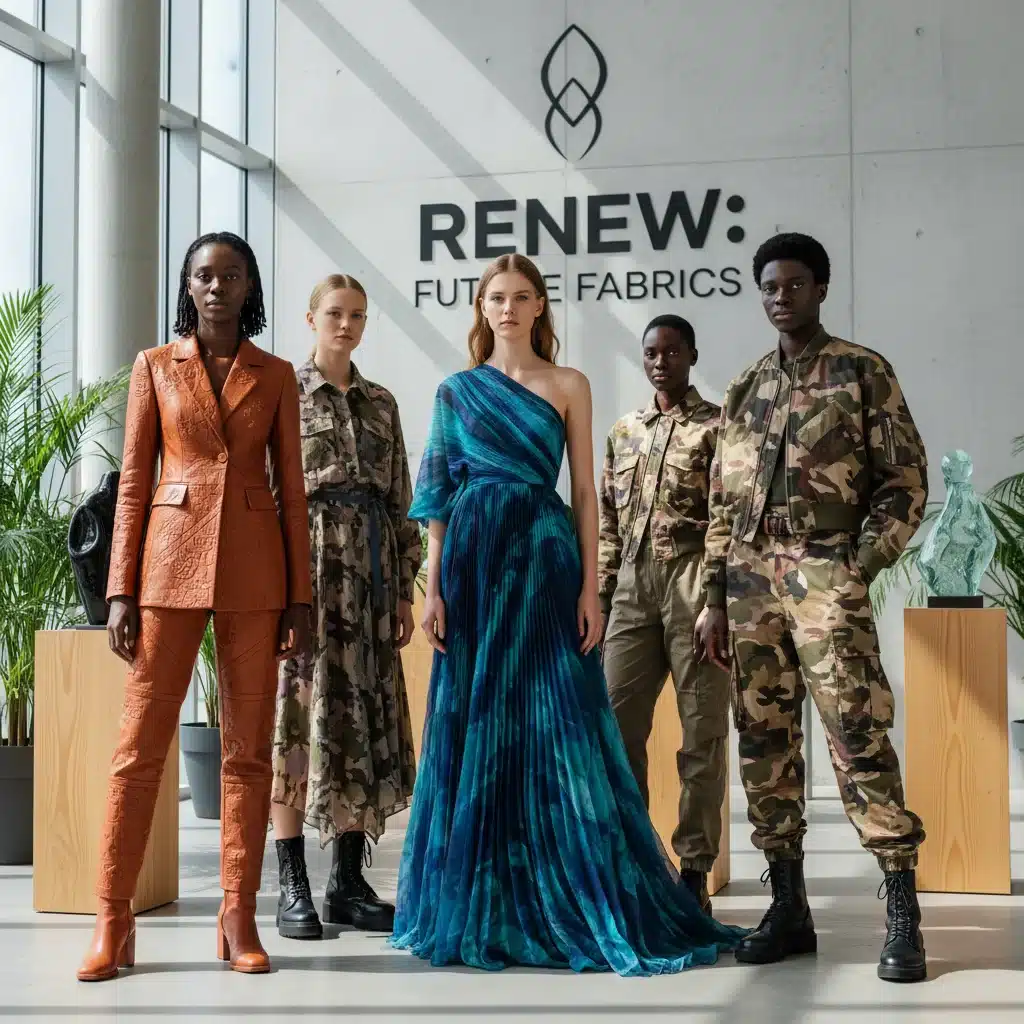
In an era defined by environmental consciousness and a yearning for ethical consumption, the fashion industry finds itself at a pivotal crossroads. The days of fast fashion’s unchecked dominance are slowly but surely giving way to a new paradigm: sustainable fashion innovation. As we fast-forward to 2026, the landscape has been dramatically reshaped by pioneering brands that are not just talking the talk, but walking the walk, offering consumers not only style and quality but also a clear conscience. This article delves deep into the heart of this revolution, spotlighting the top three sustainable fashion brands that are redefining our wardrobes and setting new benchmarks for environmental responsibility and social equity.
The concept of sustainable fashion innovation extends far beyond simply using organic cotton. It encompasses a holistic approach to design, production, and consumption that minimizes environmental impact, respects human rights, and promotes a circular economy. From biodegradable materials and closed-loop manufacturing processes to transparent supply chains and fair labor practices, these brands are meticulously weaving sustainability into every fiber of their operations. They are proving that fashion can be both beautiful and benevolent, trendy and trustworthy.
Our journey will explore the groundbreaking product innovations, the unwavering commitment to ethical sourcing, and the visionary leadership that distinguishes these brands. We will uncover how they are leveraging cutting-edge technology, reimagining traditional craftsmanship, and fostering a deeper connection between consumers and their clothing. Prepare to be inspired by the trailblazers who are not just selling garments, but selling a better future.
The Dawn of a New Fashion Era: Why Sustainable Fashion Innovation Matters More Than Ever
The urgency for sustainable fashion innovation is undeniable. The traditional fashion industry is one of the world’s largest polluters, responsible for significant greenhouse gas emissions, water waste, and textile landfill. Consumers, increasingly aware of these devastating impacts, are demanding change. They want to know where their clothes come from, who made them, and what environmental footprint they leave behind. This shift in consumer values has created a fertile ground for brands willing to challenge the status quo and invest in truly sustainable practices.
By 2026, sustainability is no longer a niche concern; it’s a core expectation. Brands that fail to integrate ethical and environmental considerations into their business models risk obsolescence. The brands we highlight today are not merely responding to this demand; they are actively shaping it, pushing the boundaries of what’s possible in terms of material science, production ethics, and business transparency. Their success is a testament to the fact that profitability and planetary well-being are not mutually exclusive, but rather intrinsically linked in the modern economy.
Brand Spotlight 1: TerraThreads – Weaving Nature’s Future
TerraThreads has emerged as a titan in the sustainable fashion landscape, primarily due to its relentless pursuit of material innovation and its radical transparency. Founded on the principle that fashion should enhance, not harm, the planet, TerraThreads has pioneered the use of bio-engineered textiles that are both luxurious and fully biodegradable.
Product Innovation: Myco-Leather and Algae-Derived Fabrics
At the forefront of TerraThreads’ sustainable fashion innovation is their revolutionary Myco-Leather. Derived from mycelium, the root structure of mushrooms, this material offers a cruelty-free, sustainable alternative to traditional leather that boasts comparable durability, texture, and aesthetic appeal. Unlike synthetic leathers, Myco-Leather is grown in controlled environments with minimal water and land use, and it naturally decomposes at the end of its life cycle, returning nutrients to the earth.
Beyond Myco-Leather, TerraThreads has also made significant strides with algae-derived fabrics. These textiles, created from sustainably harvested algae blooms, offer a soft, breathable, and vibrant alternative to conventional synthetic fibers. The production process for these fabrics is carbon-negative, as algae naturally absorb CO2 during growth. Their collections feature everything from elegant evening wear to durable everyday essentials, all crafted from these pioneering materials, demonstrating the versatility and sophistication of their approach.
Ethical Sourcing and Circularity
TerraThreads’ commitment to sustainability extends to its entire supply chain. They partner directly with local communities for algae harvesting, ensuring fair wages and empowering local economies. Their manufacturing facilities operate on 100% renewable energy, and they employ a closed-loop system for water usage, significantly reducing their environmental footprint. Furthermore, TerraThreads has implemented a comprehensive take-back program, encouraging customers to return worn-out garments for proper recycling and composting, thus ensuring their products complete a true circular journey.
Brand Spotlight 2: ReFormed – The Art of Upcycling and Digital Craftsmanship
ReFormed has carved a unique niche in the sustainable fashion innovation space by transforming textile waste into high-fashion statements. Their philosophy centers on the belief that beauty can be found in what others discard, turning forgotten fabrics into future heirlooms. ReFormed’s approach is a masterclass in creative reuse, leveraging both traditional artisanal skills and cutting-edge digital technologies.
Product Innovation: Digital Weaving and AI-Powered Design
ReFormed’s signature innovation lies in its advanced digital weaving techniques. They collect pre-consumer and post-consumer textile waste – everything from factory offcuts to discarded denim – and meticulously sort and shred it into new fibers. These fibers are then digitally re-spun and woven into unique, high-quality fabrics with intricate patterns and textures. This process not only diverts massive amounts of textile waste from landfills but also creates entirely new aesthetic possibilities, giving each garment a unique story and character.
Moreover, ReFormed utilizes AI-powered design algorithms to optimize material usage and minimize waste during the pattern-making process. This intelligent design approach ensures that every cut is precise, every fabric scrap is considered, and every garment is produced with maximum efficiency and minimal ecological impact. Their collections often feature modular designs, allowing for interchangeable components and extended garment life, further embodying their circular design principles.

Community Engagement and Artisanal Partnerships
A cornerstone of ReFormed’s ethical framework is its deep commitment to community engagement. They collaborate with artisan cooperatives in developing regions, providing fair employment opportunities and revitalizing traditional textile crafts. These partnerships ensure that the human element of fashion is valued, with skilled artisans playing a crucial role in the sorting, preparing, and finishing of their unique upcycled garments. ReFormed also runs educational programs to teach consumers about the environmental impact of textile waste and the beauty of upcycling, fostering a more informed and engaged customer base.
Brand Spotlight 3: AuraWear – The Future of Performance and Transparency
AuraWear is revolutionizing the activewear and performance apparel sector through its unwavering dedication to material science and unparalleled supply chain transparency. They are proving that high-performance clothing doesn’t have to come at the expense of the environment, integrating sustainable fashion innovation into every stitch of their athletic gear.
Product Innovation: Bio-Synthetics and Smart Textiles
AuraWear’s flagship innovation is its range of bio-synthetic performance fabrics. These materials are engineered from plant-based polymers, offering the same elasticity, moisture-wicking properties, and durability as conventional synthetics like polyester and nylon, but with a significantly reduced carbon footprint. Their research and development team has perfected a process to create these fabrics from sustainably sourced corn and sugarcane derivatives, ensuring they are not only high-performing but also compostable at the end of their functional life.
Beyond bio-synthetics, AuraWear is also at the forefront of smart textile development. They are integrating discreet, biodegradable sensors into their garments that can monitor an athlete’s vital signs, performance metrics, and even environmental conditions. These sensors are designed to dissolve harmlessly when the garment is composted, representing a seamless blend of technology and sustainability that redefines wearable tech.
Unprecedented Supply Chain Transparency
What truly sets AuraWear apart in the realm of sustainable fashion innovation is its radical approach to supply chain transparency. Every AuraWear garment comes with a unique QR code that, when scanned, provides the consumer with a complete lifecycle journey of the product. This includes detailed information on the origin of raw materials, the manufacturing processes, energy consumption at each stage, labor conditions, and even the carbon footprint of the garment’s journey to the customer. This level of transparency builds unparalleled trust and empowers consumers to make truly informed purchasing decisions.
The Broader Impact of Sustainable Fashion Innovation
The influence of brands like TerraThreads, ReFormed, and AuraWear extends far beyond their individual collections. They are catalyzing a paradigm shift across the entire fashion ecosystem. Their success demonstrates that consumers are willing to invest in products that align with their values, provided those products offer uncompromising quality and style. This market signal is compelling larger, more traditional fashion houses to re-evaluate their own practices and embark on their own journeys of sustainable fashion innovation.
Driving Policy and Industry Standards
These pioneering brands are not just innovators in product development; they are also advocates for systemic change. By openly sharing their methodologies, collaborating on research, and participating in industry forums, they are helping to drive the development of new certifications, standards, and regulatory frameworks for sustainable production. Their leadership is crucial in pushing for a global shift towards a more responsible and regenerative fashion industry.
Educating and Empowering Consumers
Perhaps one of the most profound impacts of these brands is their role in consumer education. Through their transparent practices, compelling narratives, and high-quality products, they are demystifying sustainable fashion and making it accessible and desirable. They are empowering consumers to become active participants in the movement, encouraging them to question, demand, and ultimately, choose better. This shift in consumer behavior is a powerful force for change, creating a virtuous cycle where demand for sustainable products fuels further innovation and investment.
Challenges and the Path Forward for Sustainable Fashion Innovation
Despite the remarkable progress, the journey towards a fully sustainable fashion industry is not without its challenges. Scaling up innovative materials, overcoming ingrained industry practices, and ensuring equitable access to sustainable products remain significant hurdles. However, the dedication of brands like TerraThreads, ReFormed, and AuraWear offers a beacon of hope.
Investment in Research and Development
Continued investment in research and development is paramount. The next generation of sustainable fashion innovation will likely involve even more sophisticated bio-materials, advanced recycling technologies, and AI-driven design solutions. Collaboration between academia, industry, and government will be essential to accelerate these advancements and bring them to market efficiently.
Policy Support and Infrastructure
Governments and policymakers have a crucial role to play in fostering a sustainable fashion ecosystem. This includes providing incentives for sustainable production, investing in recycling infrastructure, and implementing regulations that hold brands accountable for their environmental and social impact. A supportive policy environment can significantly accelerate the transition away from linear, extractive models.
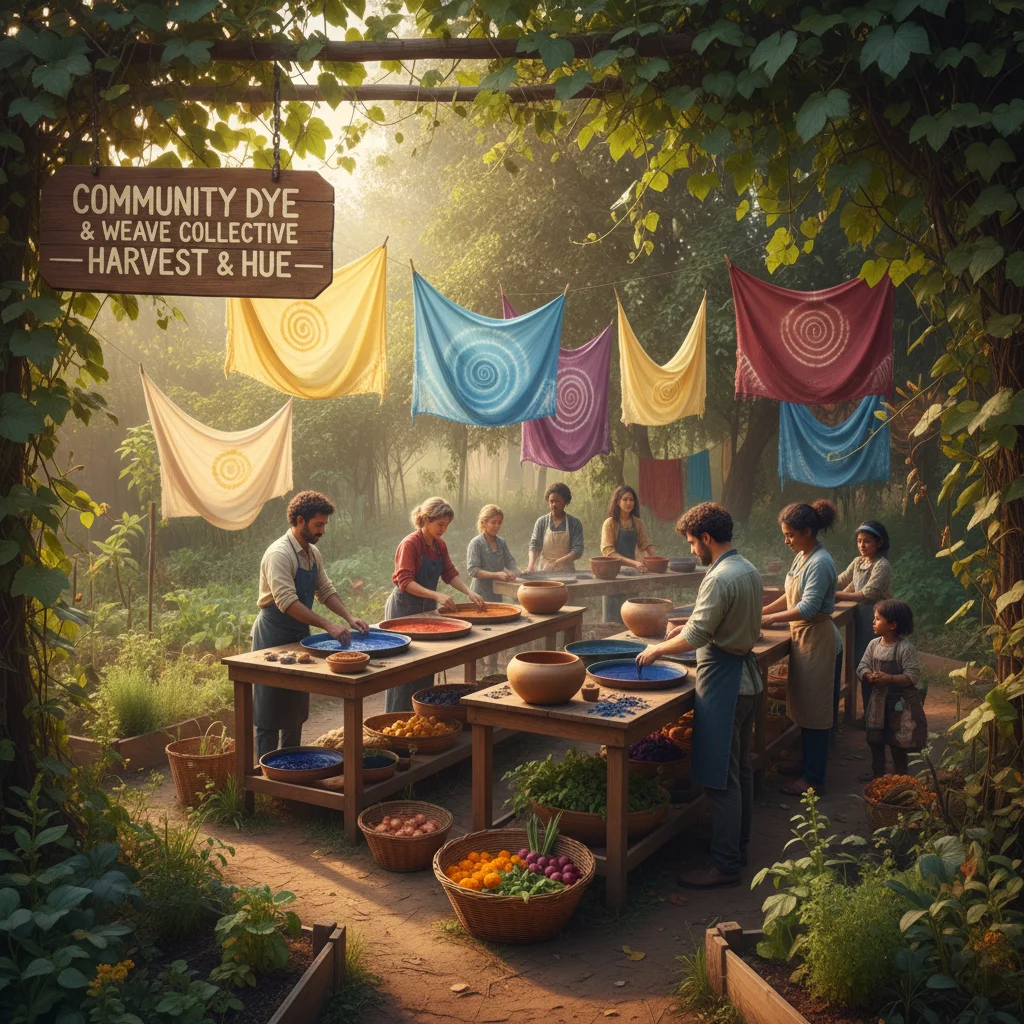
Consumer Engagement and Education
Ultimately, the power lies with the consumer. Continued education about the impacts of fashion, coupled with clear and accessible information about sustainable alternatives, will be key to driving widespread adoption. Brands need to continue to tell compelling stories, make sustainable choices attractive, and demonstrate that ethical fashion does not mean compromising on style or quality.
The Future is Sustainable: Your Wardrobe in 2026 and Beyond
As we look to 2026 and beyond, the future of fashion is undeniably sustainable. The trailblazing efforts of brands like TerraThreads, ReFormed, and AuraWear are not just niche experiments; they are blueprints for an entire industry. They demonstrate that it is possible to create beautiful, high-quality garments that respect both people and the planet. Their sustainable fashion innovation is not just about new materials or processes; it’s about a new way of thinking, a new set of values, and a new relationship with the clothes we wear.
By choosing to support these and other similarly minded brands, consumers become active participants in this positive transformation. Every purchase of a Myco-Leather jacket, an upcycled dress, or a bio-synthetic activewear set is a vote for a more ethical, environmentally friendly, and ultimately, more stylish future. Your wardrobe in 2026 will not just reflect your personal style; it will reflect your commitment to a better world.
Embrace the revolution. Discover the brands that are leading the charge. Redefine your wardrobe with purpose, passion, and unparalleled style. The era of truly sustainable fashion is not just on the horizon; it is here, and it’s more exciting than ever.