Beyond the Hype: 4 Emerging Tech Products Set to Dominate the US Market in the Next 6 Months
The technological landscape is in a constant state of flux, a vibrant tapestry woven with threads of innovation, disruption, and rapid evolution. What was once considered science fiction is now becoming commonplace, and the pace of this transformation only seems to accelerate. For consumers, investors, and businesses alike, staying abreast of these shifts is not just a matter of curiosity but a strategic imperative. The US market, a global hotbed for technological adoption and advancement, often serves as a bellwether for worldwide trends. Understanding which emerging tech products are on the cusp of widespread adoption can provide a significant competitive edge and inform crucial purchasing decisions.
In this comprehensive analysis, we delve deep into the realm of cutting-edge innovation to identify four pivotal emerging tech products that are not merely generating buzz but are genuinely poised to dominate the US market within the next six months. Our focus extends beyond fleeting trends, aiming to pinpoint technologies with robust foundational utility, scalable potential, and a clear path to consumer and enterprise integration. We’ll explore their core functionalities, their potential impact, and why they are set to transition from niche innovations to mainstream necessities. Prepare to gain insights into the future of technology and how these groundbreaking products will reshape our daily lives, work environments, and entertainment experiences.
The criteria for selecting these products are stringent: they must demonstrate significant technological maturity, address genuine market needs, possess strong investment backing or consumer interest, and exhibit a clear trajectory for accelerated market penetration. We’re not just looking at novelties; we’re identifying the next wave of essential tools and experiences. From enhanced personal productivity to transformative industry solutions, these emerging tech products represent the vanguard of innovation.
1. Advanced AI-Powered Personal Assistants with Proactive Capabilities
The concept of a personal assistant is far from new, with voice-activated devices like Amazon Alexa and Google Assistant already fixtures in many homes. However, the next generation of these assistants is set to move beyond reactive command execution to proactive, context-aware, and highly personalized support. These advanced AI-powered personal assistants are not just waiting for your instructions; they are learning your habits, anticipating your needs, and offering solutions before you even articulate the problem. This evolution marks a significant leap from simple automation to genuine digital companionship and support, making them a top contender among emerging tech products.
The Evolution of AI Personal Assistants
Current AI assistants are impressive, capable of playing music, setting reminders, and answering queries. But their proactive counterparts are different. Imagine an assistant that notices your calendar is packed with meetings, suggests the optimal time to leave for your commute based on real-time traffic, and even pre-orders your favorite coffee to be ready when you arrive. Or one that monitors your health data, identifies potential anomalies, and gently reminds you to schedule a check-up. These capabilities are no longer confined to speculative fiction; they are rapidly becoming a reality.
Key Features Driving Market Dominance
- Contextual Understanding: These assistants will leverage advanced natural language processing (NLP) and machine learning (ML) to understand not just what you say, but the underlying intent and context. This allows for more natural conversations and more accurate responses.
- Proactive Problem Solving: Instead of merely executing tasks, they will identify potential issues or opportunities based on your digital footprint (calendar, emails, search history, health data) and offer timely, relevant suggestions.
- Hyper-Personalization: Through continuous learning, these assistants will develop an increasingly nuanced understanding of your preferences, routines, and even emotional states, tailoring their interactions and suggestions accordingly.
- Seamless Integration: They will integrate more deeply with a wider array of devices and services, from smart home ecosystems to professional productivity suites, creating a unified and intelligent digital environment.
- Enhanced Security and Privacy: With greater access to personal data comes a greater responsibility for security. The next wave of these assistants will prioritize robust encryption and transparent data handling policies, building user trust.
Impact on the US Market
The market for these advanced AI assistants is vast. Consumers will find their daily lives streamlined, from managing household chores to optimizing personal schedules. Businesses will leverage them for enhanced customer service, executive support, and data analysis. The competitive landscape will see major tech players like Apple, Google, and Amazon investing heavily, while startups will emerge with specialized applications. The demand for truly intelligent assistance is immense, positioning these as critical emerging tech products.
2. Next-Generation Augmented Reality (AR) Glasses for Everyday Use
While virtual reality (VR) has captured significant attention, augmented reality (AR) is poised for a more pervasive and immediate impact on daily life. Current AR experiences often rely on smartphone screens, but the next wave of emerging tech products will be sleek, lightweight AR glasses designed for continuous, comfortable wear. These aren’t just for gaming; they are about seamlessly blending digital information with the physical world, enhancing everything from navigation to professional tasks. This shift from handheld AR to wearable AR glasses represents a profound change in how we interact with information and our environment.
Bridging the Digital and Physical Worlds
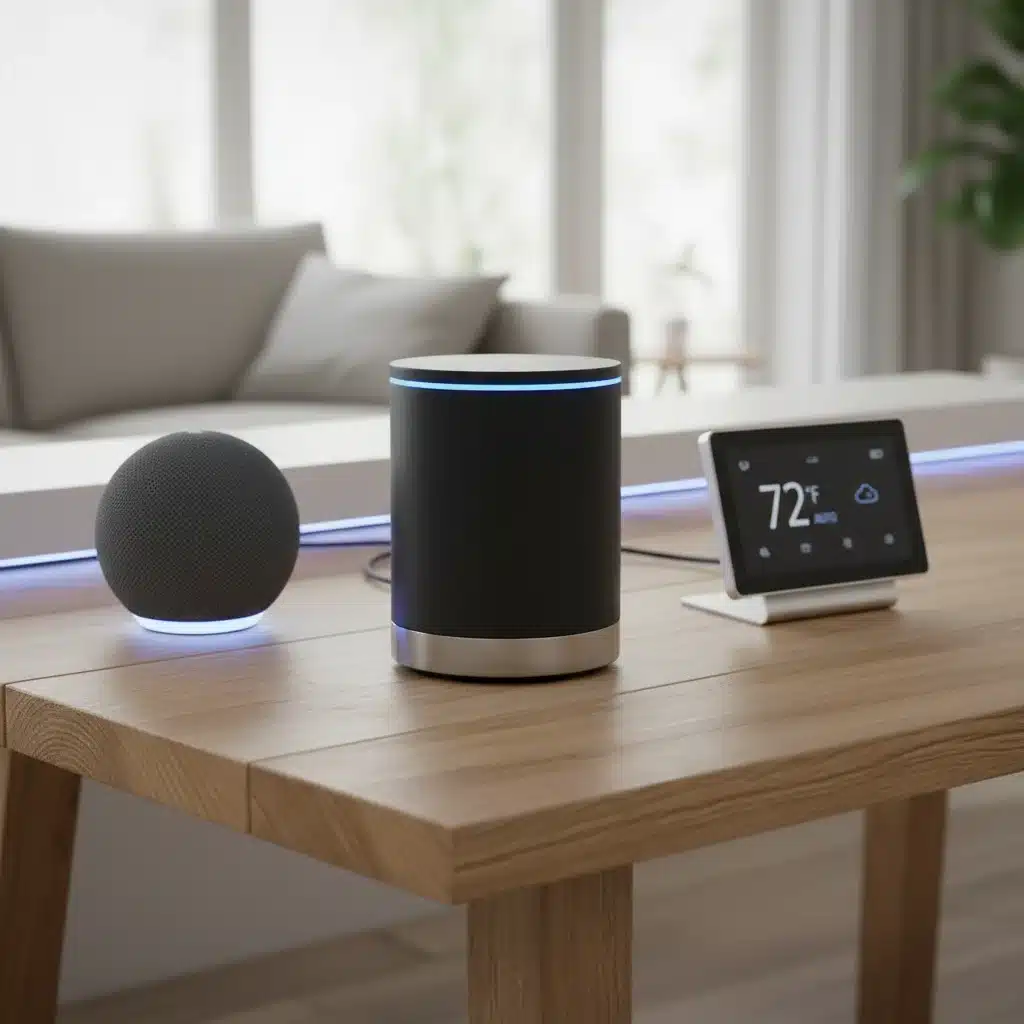
Imagine walking down the street and seeing real-time navigation superimposed on your view, or instantly identifying landmarks with contextual information appearing before your eyes. In a professional setting, technicians could see repair instructions overlaid on complex machinery, or surgeons could view patient data during an operation without looking away. These AR glasses aim to make digital information as intuitive and accessible as our natural vision, making them one of the most exciting emerging tech products.
Innovations Driving Adoption
- Improved Form Factor: Gone are the bulky headsets. The new generation will resemble stylish, everyday eyewear, making them socially acceptable and comfortable for extended use.
- Advanced Optics and Displays: Miniaturized projectors and waveguides will create high-resolution, vibrant overlays that are clear and unobtrusive, even in varying lighting conditions.
- Powerful Onboard Processing: Integrated chipsets will handle complex spatial computing, object recognition, and real-time rendering without requiring tethering to a smartphone or PC.
- Intuitive Interaction: Gaze tracking, subtle hand gestures, and voice commands will replace cumbersome controls, allowing for natural and effortless interaction with AR content.
- Robust Software Ecosystem: Developers are building a rich ecosystem of applications for various use cases, from entertainment and education to professional tools and accessibility aids.
Market Readiness and Impact
Tech giants like Apple, Meta, and Google are heavily invested in AR glasses, signaling their belief in the technology’s potential. The US market, with its high adoption rate for new consumer electronics, is ripe for this innovation. Early adopters will likely be in professional fields (healthcare, manufacturing, logistics) where immediate productivity gains are evident, followed by a rapid expansion into consumer markets for navigation, social interaction, and entertainment. The ability to enhance reality without disconnecting from it positions AR glasses as a truly transformative emerging tech product.
3. Decentralized Identity Solutions Powered by Blockchain
In an increasingly digital world, managing our online identities has become a complex and often risky endeavor. We rely on centralized authorities – social media platforms, banks, governments – to verify and store our personal data, making us vulnerable to breaches, censorship, and identity theft. Decentralized Identity (DID) solutions, built on blockchain technology, offer a radical alternative. These emerging tech products empower individuals with sovereign control over their digital identities, transforming how we prove who we are online.
Reclaiming Control Over Your Digital Self
Instead of relying on a third party to confirm your identity, DID allows you to create a self-sovereign digital identity, verifiable through cryptographic proofs stored on a blockchain. You, and only you, decide what information to share, with whom, and for how long. This paradigm shift from centralized identity providers to user-centric control is fundamental for privacy and security in the digital age. It’s a critical step forward for emerging tech products focused on personal data ownership.
Core Components and Advantages
- Self-Sovereign Identity: Users generate and own their unique identifiers, which are cryptographically secured and stored on a distributed ledger.
- Verifiable Credentials: Instead of sharing sensitive documents, you receive digital, tamper-proof credentials (e.g., a driver’s license, a degree, proof of age) from trusted issuers. You then present only the necessary proof, without revealing underlying personal data, using zero-knowledge proofs.
- Enhanced Privacy: Minimize the amount of personal data shared with third parties, reducing the risk of data breaches and unwanted tracking.
- Improved Security: Blockchain’s immutable and distributed nature makes DID systems highly resistant to fraud and manipulation.
- Streamlined Access: A single, secure digital identity can be used across multiple services, simplifying onboarding and authentication processes while enhancing user experience.
Market Potential and Adoption in the US
The US market is ripe for decentralized identity solutions, driven by growing concerns over data privacy, the increasing prevalence of cybercrime, and regulatory pressures like GDPR and CCPA. Industries such as finance, healthcare, government, and e-commerce are actively exploring DID for secure customer onboarding, compliance, and fraud prevention. As consumers become more aware of their digital rights, the demand for tools that grant them control over their data will skyrocket. This makes decentralized identity a foundational element among impactful emerging tech products.
4. Eco-Conscious Smart Home Devices with AI-Driven Energy Optimization
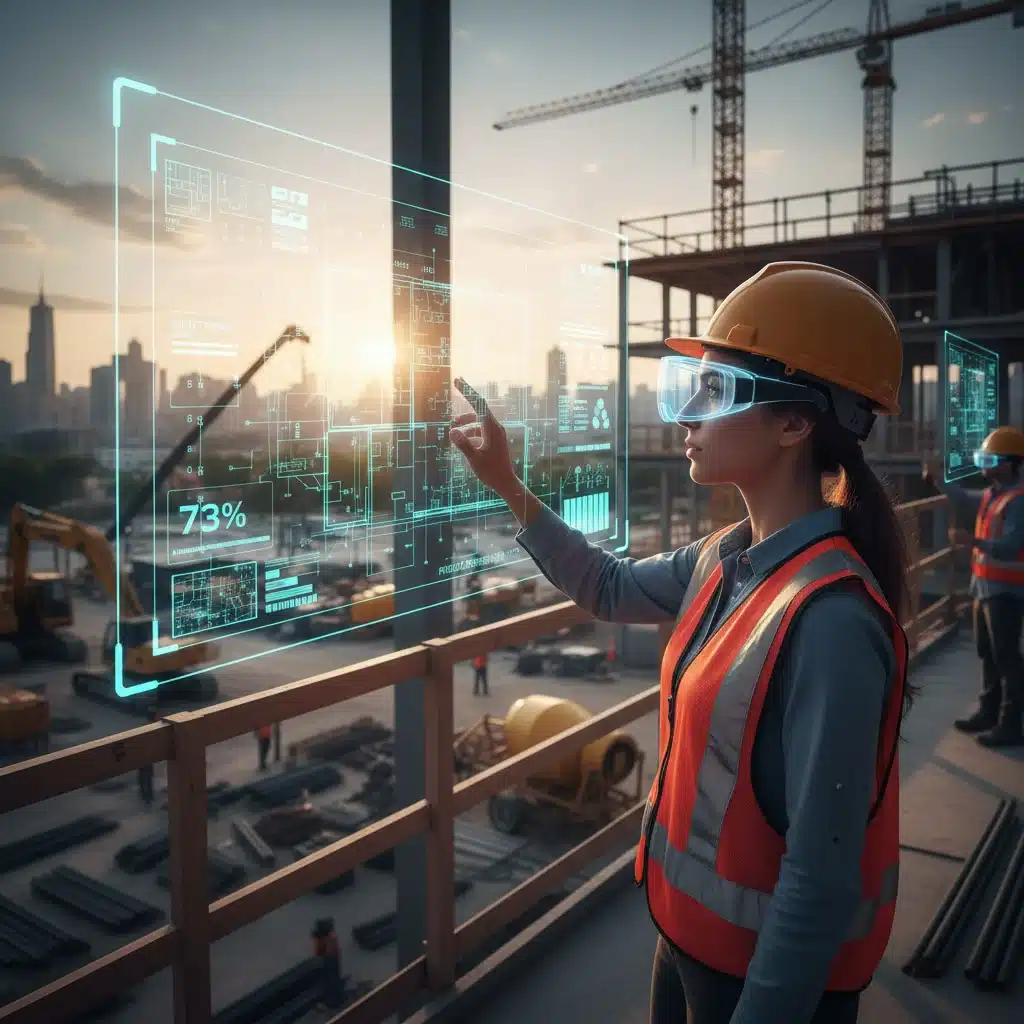
The smart home market has matured significantly, but the next wave of emerging tech products in this sector is driven by a powerful twin mandate: convenience and sustainability. Eco-conscious smart home devices, integrated with advanced AI for energy optimization, are set to dominate the US market. These products go beyond simple remote control; they intelligently learn household patterns, respond to environmental conditions, and actively work to reduce energy consumption and environmental footprint, all while maintaining comfort and convenience.
Smart Homes, Smarter Planet
Traditional smart home devices often offer convenience but don’t always prioritize energy efficiency. The new generation changes this. Imagine a thermostat that not only learns your preferred temperatures but also integrates with local weather forecasts, energy grid demand, and even your utility’s peak pricing periods to automatically adjust settings for maximum savings without compromising comfort. Or lighting systems that dim based on natural light availability and occupancy, coupled with smart plugs that cut power to idle devices. These are the truly intelligent and eco-friendly emerging tech products for the modern home.
Innovations for a Sustainable Future
- Predictive AI Algorithms: These devices use sophisticated AI to predict energy needs based on historical data, user behavior, and external factors (weather, grid load).
- Seamless Ecosystem Integration: A central hub intelligently orchestrates all connected devices – HVAC, lighting, appliances, EV chargers – to work in harmony for optimal energy use.
- Real-time Energy Monitoring and Reporting: Users get granular insights into their energy consumption, identifying waste and offering actionable suggestions for improvement.
- Renewable Energy Integration: Compatibility with solar panels, home batteries, and smart grid initiatives to maximize self-consumption of renewables and participate in demand response programs.
- Sustainable Materials and Manufacturing: A growing focus on using recycled, recyclable, and ethically sourced materials in the devices themselves, reducing the product’s lifecycle impact.
Market Dynamics and Consumer Appeal
The US consumer market has a growing awareness of environmental issues and a desire to reduce utility costs. Eco-conscious smart home devices tap into both. As energy prices fluctuate and climate concerns intensify, the value proposition of these emerging tech products becomes increasingly compelling. Utility companies are also incentivizing their adoption through rebates and smart grid programs. Expect a surge in demand for integrated systems that offer both convenience and a clear path to a more sustainable lifestyle, solidifying their place in the market.
The Broader Implications of Emerging Tech Products
The four categories of emerging tech products discussed – advanced AI-powered personal assistants, next-generation AR glasses, decentralized identity solutions, and eco-conscious smart home devices – are not isolated innovations. They represent broader trends that are reshaping our technological landscape. Their convergence and interplay will create an even more powerful and transformative effect on society.
For instance, imagine an AR glass experience augmented by a proactive AI assistant that manages your decentralized identity to seamlessly authenticate you for AR applications, all while ensuring your smart home is operating at peak energy efficiency. This level of integration promises a future where technology is not just present but intelligently interwoven into the fabric of our existence, making our lives more efficient, secure, and sustainable.
Ethical Considerations and Future Challenges
As these emerging tech products become more sophisticated and integrated, it’s crucial to address the ethical implications. Issues of data privacy, algorithmic bias, digital divide, and the potential for misuse must be thoughtfully considered and proactively managed. The development and deployment of these technologies must be guided by principles that prioritize human well-being, equity, and responsible innovation. Regulatory frameworks will need to evolve rapidly to keep pace with technological advancements, ensuring that innovation serves society’s best interests.
Another challenge lies in interoperability. While many of these products offer integration within their respective ecosystems, true market dominance often hinges on seamless compatibility across different platforms and manufacturers. Open standards and collaborative development will be key to unlocking the full potential of these technologies and preventing market fragmentation.
Investment and Economic Opportunities
For investors, these emerging tech products present significant opportunities. Companies at the forefront of these innovations are poised for substantial growth. The ancillary markets – from software development and data analytics to specialized manufacturing and installation services – will also see considerable expansion. Entrepreneurs and startups have a fertile ground to innovate within these burgeoning sectors, offering specialized solutions and services that complement the core product offerings.
The economic impact will be far-reaching, creating new jobs, stimulating research and development, and driving productivity gains across various industries. As these technologies become more accessible and affordable, they will democratize access to advanced capabilities, fostering innovation at all levels of society.
Conclusion: The Dawn of a New Technological Era
The next six months promise to be a pivotal period for the US tech market, as these four categories of emerging tech products transition from the fringes of innovation to the mainstream. Advanced AI-powered personal assistants will redefine convenience and productivity, while next-generation AR glasses will blur the lines between the digital and physical worlds. Decentralized identity solutions will empower individuals with unprecedented control over their digital selves, and eco-conscious smart home devices will usher in an era of sustainable living.
Staying informed about these developments is essential for anyone looking to navigate the future of technology successfully. These products are not just incremental improvements; they represent fundamental shifts in how we interact with information, manage our identities, and live our lives. The companies that successfully bring these innovations to market, and the consumers who embrace them, will be at the forefront of a new technological era. Prepare to witness, and participate in, the exciting evolution of technology as these groundbreaking emerging tech products take center stage in the US market.