Mastering Plant-Based Eating 2026: 10 Simple Swaps for a Healthier You
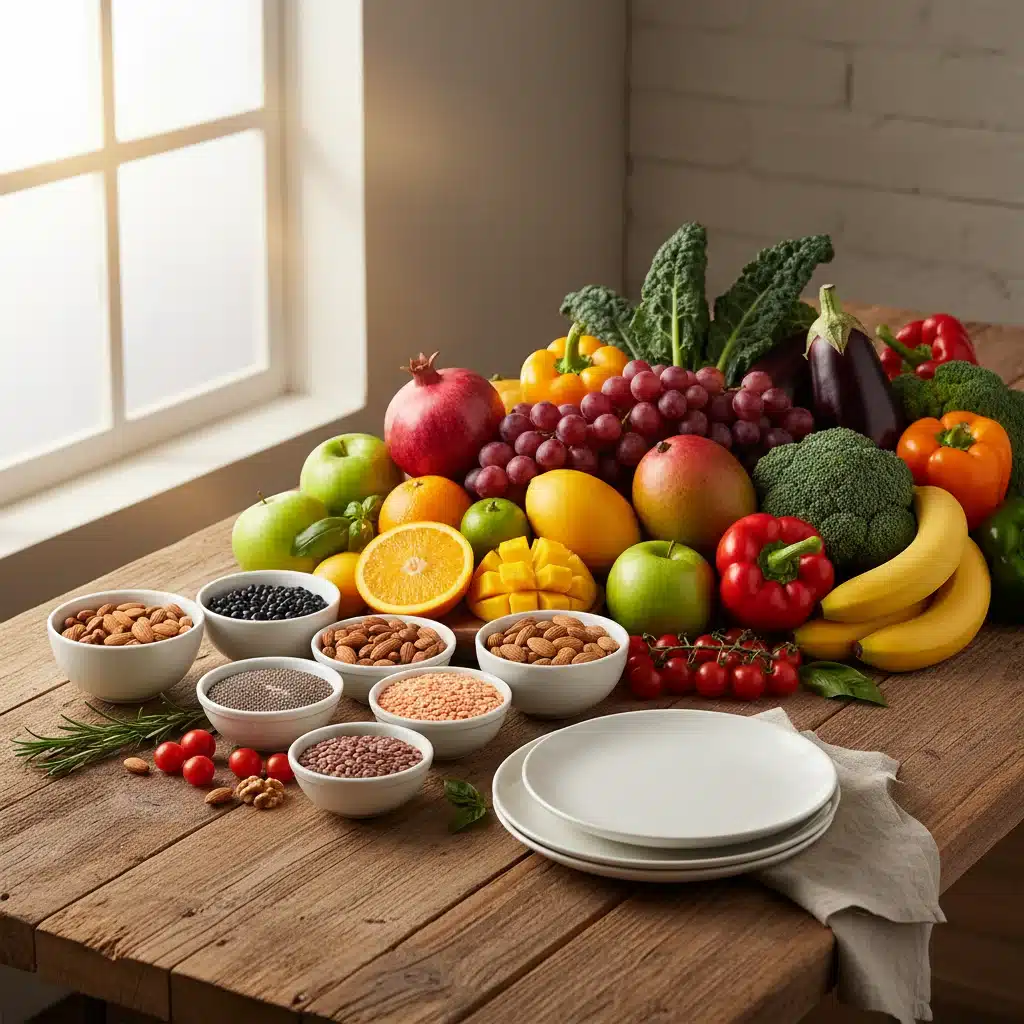
Mastering Plant-Based Eating 2026: 10 Simple Swaps for a Healthier You
Welcome to the definitive 2026 guide to plant-based eating, a journey that promises not just a healthier you, but also a kinder impact on our planet. In an era where health and sustainability are increasingly intertwined, adopting a plant-based lifestyle has emerged as a powerful choice for millions. But what exactly does it mean to embrace plant-based eating, and how can one transition without feeling overwhelmed? This comprehensive article will demystify the process, offering practical, easy-to-implement strategies for integrating more plant foods into your daily diet.
The landscape of nutrition is constantly evolving, and 2026 brings with it new insights and an even wider array of delicious plant-based options. Gone are the days when plant-based meals were synonymous with bland or restrictive diets. Today, the world of plant-based eating is vibrant, diverse, and incredibly flavorful, offering an abundance of choices that cater to every palate and preference. Whether you’re a seasoned vegan, a curious flexitarian, or simply looking to reduce your meat consumption, this guide is designed to empower you with the knowledge and tools to make informed, delicious choices.
Our focus today is on 10 easy swaps that can significantly boost your journey into plant-based eating. These aren’t radical overhauls but rather simple, sustainable changes that can lead to profound health benefits, from improved digestion and increased energy levels to a reduced risk of chronic diseases. We’ll explore how to replace common animal products with equally satisfying, nutrient-dense plant alternatives, making your transition smooth and enjoyable. Get ready to discover a world of culinary possibilities that will nourish your body, delight your taste buds, and align with your values.
Understanding Plant-Based Eating in 2026: More Than Just a Diet
Before diving into the swaps, let’s clarify what plant-based eating truly means in the context of 2026. It’s often misunderstood as a synonym for veganism, but while there’s significant overlap, they aren’t identical. A plant-based diet emphasizes foods derived from plants, including vegetables, fruits, whole grains, legumes, nuts, and seeds. It typically minimizes or excludes animal products like meat, dairy, and eggs, but the degree of exclusion can vary. Some follow a strict vegan diet, while others incorporate small amounts of animal products (sometimes called ‘plant-forward’ or ‘flexitarian’). The key is the *emphasis* on plants.
The reasons for adopting plant-based eating are multifaceted. For many, it’s about personal health. Scientific research continues to highlight the benefits: lower rates of heart disease, type 2 diabetes, certain cancers, and obesity. The high fiber content, rich antioxidants, and beneficial phytonutrients found in plant foods contribute significantly to overall well-being. Environmentally, the impact is undeniable. Livestock agriculture is a major contributor to greenhouse gas emissions, deforestation, and water pollution. Shifting towards plant-based eating can drastically reduce an individual’s carbon footprint.
In 2026, the availability and quality of plant-based products have reached unprecedented levels. Supermarket shelves are brimming with innovative meat alternatives, dairy-free milks, and plant-based cheeses that closely mimic their animal-derived counterparts, making the transition easier than ever before. Restaurants are increasingly offering diverse and creative plant-based options, reflecting a growing consumer demand. This accessibility, coupled with a deeper understanding of nutrition, makes 2026 an ideal time to explore and commit to plant-based eating.
However, it’s crucial to approach plant-based eating with a balanced perspective. A diet rich in processed plant-based junk food, while technically ‘plant-based,’ won’t offer the same health benefits as one focused on whole, unprocessed foods. The goal is to maximize nutrient intake from a variety of plant sources, ensuring adequate protein, vitamins (especially B12, D), and minerals (iron, calcium, zinc, omega-3s). This guide will help you make those smart, nutrient-rich swaps.
The Power of Small Changes: Why Swaps Work for Plant-Based Eating
Making radical dietary changes overnight can be daunting and often unsustainable. This is where the power of small, incremental swaps comes into play. Instead of viewing plant-based eating as an all-or-nothing endeavor, consider it a series of manageable adjustments. Each swap you make is a step forward, building momentum and confidence in your new eating habits. This approach reduces feelings of deprivation and makes the transition enjoyable rather than a chore.
Think about your favorite meals and identify components that can be easily replaced with a plant-based alternative. Do you love scrambled eggs? Try scrambled tofu. Can’t live without cheese on your pasta? Explore the wide world of nutritional yeast or plant-based cheeses. These small changes don’t just affect individual meals; they gradually shift your palate, expanding your culinary horizons and introducing you to new flavors and textures you might never have considered before. This progressive integration is key to long-term success in plant-based eating.
Moreover, focusing on swaps allows you to continue enjoying many of your beloved dishes, simply reimagined in a plant-based form. This psychological comfort is incredibly important. You’re not giving up your favorites; you’re upgrading them. This positive framing makes the entire process more appealing and sustainable. So, let’s dive into these 10 easy swaps that will revolutionize your approach to plant-based eating in 2026.
10 Easy Swaps for a Healthier Plant-Based Eating Lifestyle in 2026
Swap 1: Dairy Milk for Plant-Based Milk
This is arguably one of the easiest and most common entry points into plant-based eating. The market for plant-based milks has exploded, offering an incredible variety of options. Forget just soy; now you have oat, almond, cashew, rice, coconut, hemp, and even pea milk, each with its unique flavor profile and nutritional benefits.
- Why it’s a great swap: Plant milks are often fortified with calcium and Vitamin D, are naturally lactose-free, and many have a lower environmental footprint than dairy.
- Best uses: Oat milk is fantastic in coffee and for baking due to its creaminess. Almond milk is versatile for smoothies and cereals. Soy milk offers a good protein boost.
- Pro-tip: Look for unsweetened varieties to avoid added sugars. Experiment to find your favorite for different uses!
Swap 2: Meat Burgers for Plant-Based Burgers
The quality and taste of plant-based burgers have come a long way. From traditional black bean burgers to innovative pea-protein-based patties that ‘bleed,’ there’s a plant-based burger for every preference.
- Why it’s a great swap: Reduces saturated fat and cholesterol intake, often provides a good source of fiber, and lessens environmental impact.
- Best uses: Grilling, pan-frying, or baking just like a traditional burger. Excellent in wraps or crumbled in salads.
- Pro-tip: Read labels to choose options lower in sodium and saturated fat. Don’t be afraid to make your own with beans, mushrooms, or lentils for a whole-food approach to plant-based eating.
Swap 3: Chicken or Beef Broth for Vegetable Broth
A simple yet impactful swap, especially if you love soups, stews, or risottos. Vegetable broth provides a rich umami flavor without any animal products.
- Why it’s a great swap: Instantly makes many recipes plant-based, adds depth of flavor, and is widely available.
- Best uses: Soups, stews, cooking grains like quinoa or rice, making sauces.
- Pro-tip: Make your own vegetable broth from kitchen scraps (onion skins, carrot tops, celery ends) for a zero-waste, flavorful option.
Swap 4: Scrambled Eggs for Tofu Scramble
Tofu scramble is a staple in plant-based eating for a reason. With the right seasonings, it mimics the texture and flavor of scrambled eggs remarkably well.
- Why it’s a great swap: High in protein, low in cholesterol, and incredibly versatile.
- Best uses: Breakfasts, brunch, breakfast burritos, or as a protein addition to stir-fries.
- Pro-tip: Use firm or extra-firm tofu, crumble it, and season with turmeric for color, black salt (kala namak) for an eggy flavor, and nutritional yeast for cheesiness.
Swap 5: Mayonnaise for Plant-Based Mayonnaise
Plant-based mayonnaise, often made from aquafaba (chickpea brine) or soy, is virtually indistinguishable from traditional mayo in taste and texture.
- Why it’s a great swap: Cholesterol-free, often lower in saturated fat, and just as creamy.
- Best uses: Sandwiches, salads (potato, pasta, coleslaw), dips, and dressings.
- Pro-tip: Many brands are available, so try a few to find your favorite. You can also easily make your own with an immersion blender.
Swap 6: Dairy Yogurt for Plant-Based Yogurt
Similar to plant milks, plant-based yogurts have diversified significantly. Options include soy, almond, coconut, and oat yogurts, many of which contain live active cultures beneficial for gut health.
- Why it’s a great swap: Dairy-free, often fortified with calcium and probiotics, and comes in various flavors.
- Best uses: Breakfast with granola and fruit, smoothies, dips (like tzatziki), or as a sour cream substitute.
- Pro-tip: Choose unsweetened, plain varieties to control sugar content and use them in savory dishes.
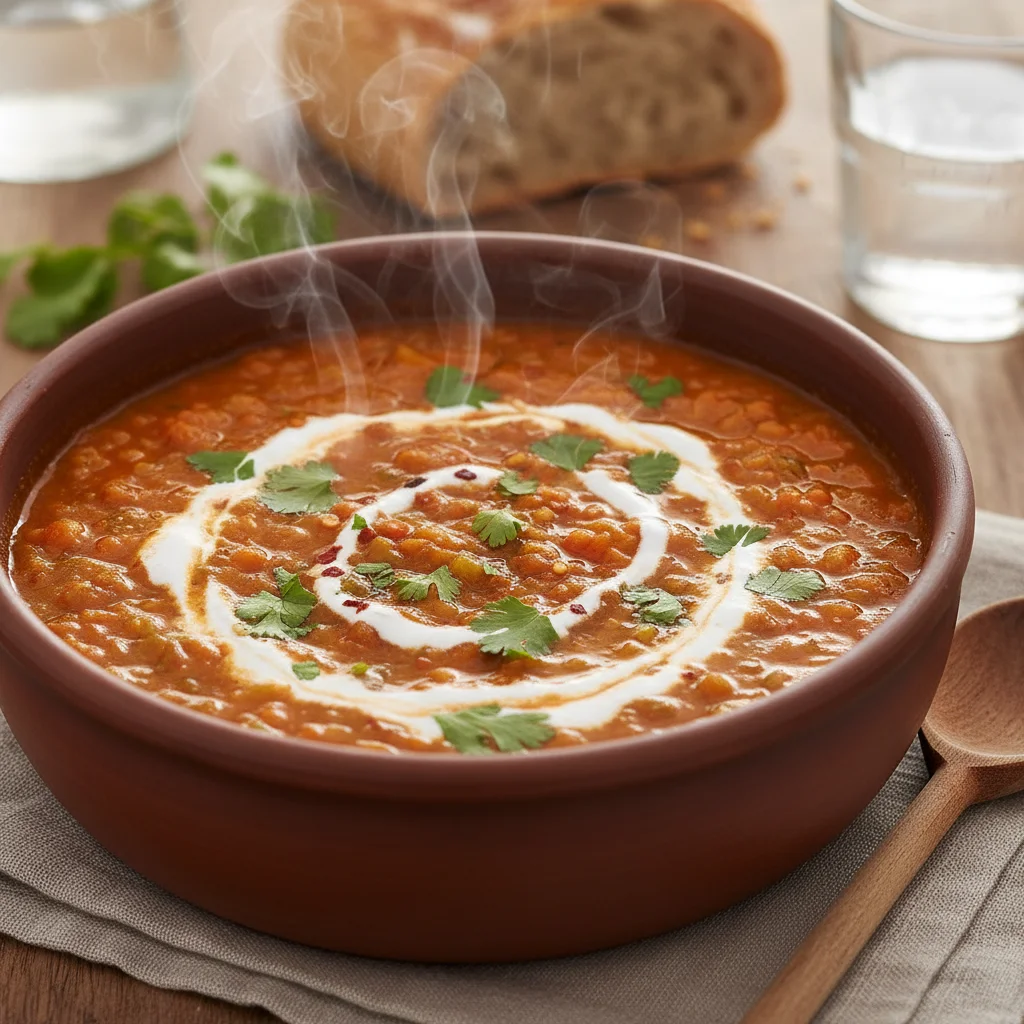
Swap 7: Ground Meat for Lentils or Mushrooms
This swap is a game-changer for many comfort food recipes. Cooked lentils or finely chopped mushrooms can mimic the texture and heartiness of ground meat in various dishes.
- Why it’s a great swap: Adds fiber, protein (especially lentils), vitamins, and minerals. Low in fat and cholesterol-free.
- Best uses: Tacos, spaghetti bolognese, chili, shepherd’s pie, sloppy joes.
- Pro-tip: For a ‘meaty’ texture, sauté mushrooms until deeply browned, or cook lentils until tender but still holding their shape. Season generously!
Swap 8: Cheese for Nutritional Yeast or Plant-Based Cheese
The idea of giving up cheese can be a major hurdle for those considering plant-based eating. Luckily, there are excellent alternatives. Nutritional yeast offers a cheesy, umami flavor, while plant-based cheeses have improved dramatically in taste and meltability.
- Why it’s a great swap: Nutritional yeast is a good source of B vitamins and protein. Plant-based cheeses avoid dairy and cholesterol.
- Best uses: Nutritional yeast on popcorn, pasta, salads, or in sauces. Plant-based cheeses for pizzas, grilled cheese, or shredding over tacos.
- Pro-tip: Explore different brands of plant-based cheese, as flavors and textures vary. Cashew-based cheeses often offer a rich creaminess.
Swap 9: Cream/Heavy Cream for Cashew Cream or Coconut Cream
For rich, creamy sauces, soups, and desserts, cashews and coconut milk are your best friends in plant-based eating.
- Why it’s a great swap: Adds incredible creaminess and richness without dairy. Cashews provide healthy fats and protein.
- Best uses: Alfredo sauce, creamy tomato soup, curries, desserts like panna cotta or whipped cream.
- Pro-tip: For cashew cream, soak raw cashews in hot water for at least 30 minutes (or overnight in cold water), then blend with a little fresh water until perfectly smooth. Use the thick cream from a can of full-fat coconut milk for whipped cream.
Swap 10: Butter for Plant-Based Butter or Avocado/Nut Butters
Plant-based butters are readily available and perform just like dairy butter in most applications. For a whole-food approach, avocado or nut butters can also serve as excellent replacements in certain contexts.
- Why it’s a great swap: Cholesterol-free, often made with healthier oils, and widely available.
- Best uses: Spreading on toast, baking, sautéing, making grilled cheese. Avocado can replace butter in some baking recipes or on toast. Nut butters are great for snacks and desserts.
- Pro-tip: For baking, choose plant-based butters specifically designed for baking to ensure proper texture.
Beyond the Swaps: Embracing a Holistic Plant-Based Eating Lifestyle
While these 10 swaps provide a fantastic foundation for your plant-based eating journey in 2026, truly embracing this lifestyle involves more than just substituting ingredients. It’s about cultivating a deeper understanding of nutrition, exploring new culinary traditions, and developing a mindful approach to food.
Exploring New Ingredients
Don’t limit yourself to just replacing old favorites. The world of plant-based foods is vast and exciting! Experiment with unique grains like farro, freekeh, or amaranth. Discover the versatility of different legumes beyond lentils and chickpeas, such as black-eyed peas, adzuki beans, or cannellini beans. Incorporate a wider array of vegetables and fruits, aiming for a rainbow of colors on your plate to ensure a broad spectrum of nutrients.
Familiarize yourself with plant-based protein sources like tempeh, seitan, and edamame, which offer different textures and cooking possibilities. Sea vegetables, such as nori, dulse, and kelp, are also nutrient powerhouses that can add unique flavors to your meals. The more you explore, the more enjoyable and sustainable your plant-based eating journey will become.
Meal Planning and Preparation for Plant-Based Eating
Effective meal planning is crucial for successful plant-based eating. It helps ensure you’re getting all necessary nutrients, saves time during busy weekdays, and prevents resorting to less healthy options. Dedicate some time each week to plan your meals, create a shopping list, and perhaps even do some batch cooking.
- Batch Cooking: Cook large batches of grains (quinoa, brown rice), legumes (lentils, beans), and roasted vegetables at the beginning of the week. These can be easily combined into various meals.
- Snack Prep: Prepare healthy plant-based snacks like chopped veggies with hummus, fruit, nuts, or seeds to avoid unhealthy cravings.
- Recipe Exploration: Invest time in finding new plant-based eating recipes online or in cookbooks. There are countless resources available for every skill level and taste preference.
Ensuring Nutritional Adequacy for Plant-Based Eating
While plant-based eating is incredibly healthy, it’s essential to be mindful of certain nutrients that can be scarcer in a purely plant-based diet. With a little planning, you can easily meet all your nutritional needs.
- Vitamin B12: This is the only vitamin that cannot be reliably obtained from plants. Supplementation is highly recommended for strict vegans and often for those significantly reducing animal products. Fortified foods like plant milks and nutritional yeast can help, but a supplement is the safest bet.
- Vitamin D: While some plant foods are fortified, sun exposure is the primary source. Depending on your location and lifestyle, a supplement might be necessary.
- Omega-3 Fatty Acids: Include flaxseeds, chia seeds, hemp seeds, and walnuts in your diet. Algae-based supplements are an excellent direct source of EPA and DHA.
- Iron: Plant sources include lentils, beans, spinach, kale, tofu, and fortified cereals. Pair iron-rich foods with Vitamin C (e.g., bell peppers, citrus) to enhance absorption.
- Calcium: Fortified plant milks and yogurts, leafy greens (collard greens, kale), tofu, and sesame seeds are great sources.
- Zinc: Found in legumes, nuts, seeds, and whole grains.
- Iodine: Seaweed (in moderation) and iodized salt are good sources.
Consulting with a registered dietitian specializing in plant-based nutrition can provide personalized guidance and ensure you’re meeting all your dietary requirements, especially if you’re new to plant-based eating.

The Environmental and Ethical Impact of Plant-Based Eating
Beyond personal health, choosing plant-based eating in 2026 is a powerful statement for environmental stewardship and ethical considerations. The scientific consensus is clear: reducing meat and dairy consumption is one of the most effective ways to lower your environmental footprint.
- Reduced Greenhouse Gas Emissions: Livestock farming is a significant contributor to methane and nitrous oxide, potent greenhouse gases. Shifting to plant-based proteins can dramatically decrease these emissions.
- Water Conservation: Producing animal products, especially beef, requires vast amounts of water. Plant-based alternatives are generally far less water-intensive.
- Land Use: Large areas of land are cleared for grazing livestock and growing feed crops. Embracing plant-based eating can help preserve forests and biodiversity.
- Animal Welfare: For many, the ethical treatment of animals is a primary motivator. A plant-based diet eliminates support for industrial animal agriculture, which often involves practices considered inhumane.
Every plant-based meal you choose contributes to a more sustainable and compassionate food system. It’s not about perfection, but about progress, and every swap makes a difference.
Conclusion: Your Plant-Based Eating Journey in 2026
The year 2026 offers an unparalleled opportunity to embrace plant-based eating with ease, flavor, and confidence. The 10 simple swaps outlined in this guide are your stepping stones to a healthier, more vibrant lifestyle and a positive impact on the world around you. Remember, this isn’t about perfection; it’s about progress. Start small, experiment with new foods, and most importantly, enjoy the delicious journey.
From creamy plant milks in your morning coffee to hearty lentil bolognese for dinner, the possibilities are endless. By integrating these easy changes, you’ll discover that plant-based eating is not only accessible and delicious but also deeply rewarding. So, take the first step today, make a swap, and begin to unlock the incredible benefits of a plant-powered life. Your body, your taste buds, and the planet will thank you.