Personalized Nutrition: Your Body’s Blueprint for Optimal Health in 2026

In an era where health consciousness is at an all-time high, the concept of a one-size-fits-all diet is rapidly becoming obsolete. We are standing on the precipice of a revolution, where our understanding of the human body, coupled with technological advancements, is paving the way for truly personalized nutrition future. By 2026, this isn’t just a niche trend; it’s the standard, offering a unique blueprint for optimal health tailored precisely to your individual needs. This comprehensive guide will delve into the exciting trajectory of personalized nutrition, exploring the scientific bedrock, technological innovations, and practical applications that are shaping how we eat for well-being.
The Dawn of Personalized Nutrition: Beyond Generic Advice
For decades, dietary recommendations have largely been broad, based on population-level studies and general guidelines. While these have served a purpose, they often fail to account for the incredible diversity of human physiology. What works wonders for one person might be ineffective or even detrimental for another. This fundamental realization is the driving force behind the personalized nutrition movement. It acknowledges that each of us is a unique biochemical entity, influenced by a complex interplay of genetics, lifestyle, environment, and our internal microbial ecosystem.
By 2026, the focus has shifted from ‘what you should eat’ to ‘what your body needs you to eat.’ This paradigm shift is not merely about avoiding allergens or managing specific conditions; it’s about optimizing every facet of health, from energy levels and cognitive function to disease prevention and longevity. The promise of personalized nutrition lies in its ability to unlock our full health potential, moving us away from reactive symptom management towards proactive, preventative well-being.
The Pillars of Personalized Nutrition in 2026
The sophistication of personalized nutrition in 2026 is built upon several interconnected scientific and technological pillars. Understanding these components is key to appreciating the depth and efficacy of this approach.
Genomic Insights: Decoding Your DNA Diet
Our genes hold a wealth of information about how our bodies process nutrients, metabolize compounds, and respond to different foods. Nutritional genomics, or nutrigenomics, is the study of how food and food components affect gene expression, and how our genetic makeup influences our response to diet. By 2026, genetic testing has become more accessible, comprehensive, and affordable, allowing individuals to gain unprecedented insights into their unique genetic predispositions.
- Nutrient Metabolism: Genetic variants can influence how efficiently you metabolize carbohydrates, fats, and proteins. For example, some individuals may have genetic variations that make them more sensitive to saturated fats, while others might process caffeine more slowly.
- Vitamin and Mineral Needs: Genetic factors can affect the absorption, transport, and utilization of essential vitamins and minerals. A personalized nutrition plan can identify potential deficiencies based on genetic markers and recommend targeted supplementation or dietary adjustments.
- Food Sensitivities and Intolerances: While not definitive for all allergies, genetic testing can highlight predispositions to certain food sensitivities, guiding dietary choices to reduce inflammation and digestive discomfort.
- Disease Risk: Understanding genetic predispositions to conditions like type 2 diabetes, heart disease, or certain cancers allows for proactive dietary interventions to mitigate risk.
The beauty of genomic insights is that they provide a stable, unchanging foundation for personalized nutrition. Your genes don’t change, meaning these foundational insights remain relevant throughout your life, offering enduring guidance for your dietary choices.
The Microbiome Revolution: Your Inner Ecosystem
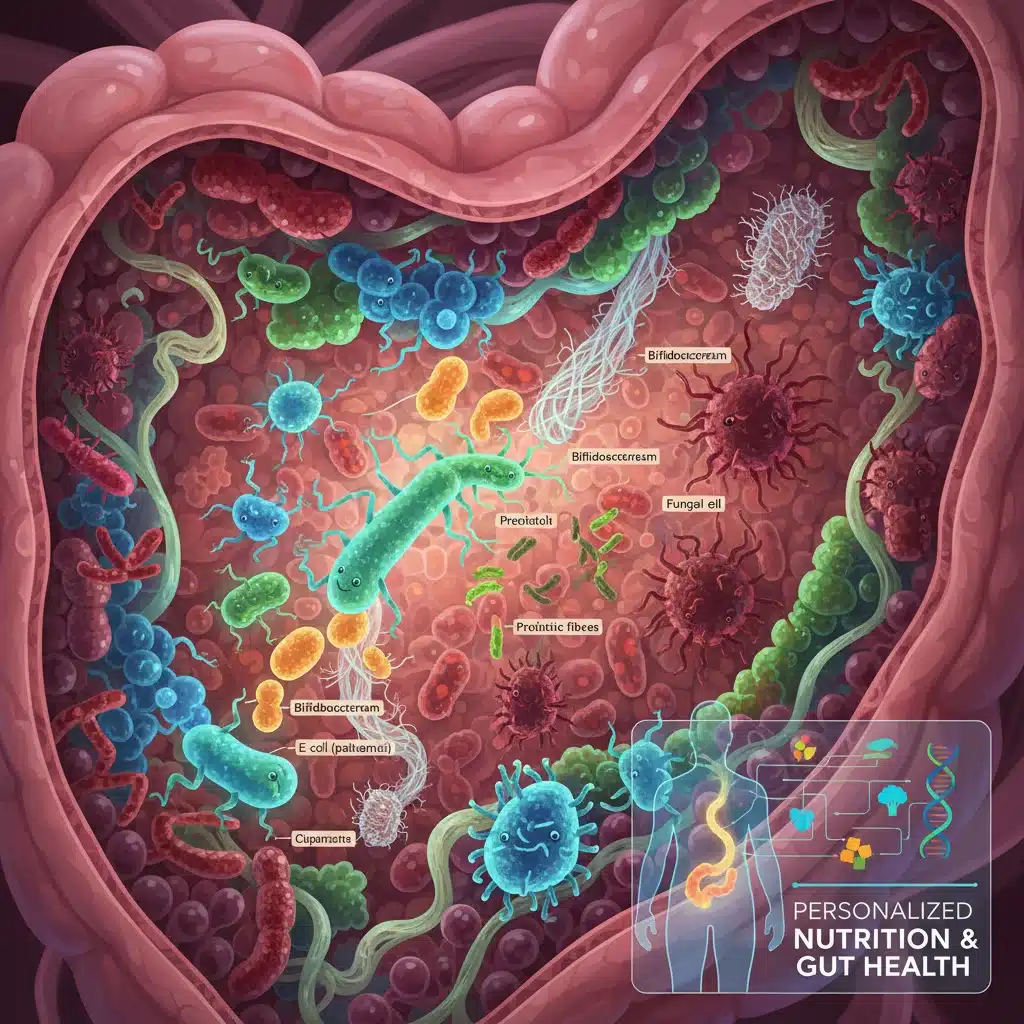
Perhaps one of the most exciting and rapidly evolving areas in personalized nutrition is the study of the human microbiome – the trillions of microorganisms living in and on our bodies, particularly in our gut. By 2026, gut microbiome analysis has moved beyond basic sequencing, offering detailed functional insights into the types of bacteria present, their metabolic activities, and their impact on our health.
- Digestive Health: The composition of your gut microbiome directly influences digestion, nutrient absorption, and gut barrier integrity. An imbalance (dysbiosis) can lead to issues like irritable bowel syndrome (IBS), bloating, and nutrient malabsorption.
- Immune System Modulation: A healthy gut microbiome is crucial for a robust immune system. Certain microbial species produce compounds that train our immune cells and protect against pathogens.
- Mental Health and Mood: The ‘gut-brain axis’ is a well-established communication pathway. The microbiome produces neurotransmitters and other compounds that can influence mood, anxiety, and cognitive function.
- Metabolic Health: Gut bacteria play a significant role in how we store fat, regulate blood sugar, and respond to insulin. Personalized nutrition leverages this understanding to recommend foods that foster a healthy, metabolically favorable microbiome.
Unlike our genetics, the microbiome is highly dynamic and responsive to diet and lifestyle. This means personalized nutrition plans can be continually refined based on ongoing microbiome analysis, allowing for targeted interventions to cultivate a thriving inner ecosystem. This dynamic aspect is a core strength of the personalized nutrition future.
Metabolomics: Real-Time Biochemical Snapshot
Metabolomics is the large-scale study of metabolites, which are the end products of cellular processes. By analyzing metabolites in blood, urine, or saliva, scientists can get a real-time snapshot of an individual’s current biochemical state. This includes how they are metabolizing nutrients, their energy status, and any signs of inflammation or oxidative stress.
- Dietary Response: Metabolomics can reveal how an individual’s body responds to specific foods or dietary patterns, providing objective data on dietary efficacy.
- Nutrient Status: It can pinpoint specific nutrient deficiencies or excesses that might not be evident from standard blood tests.
- Disease Biomarkers: Metabolite profiles can act as early indicators of disease risk or progression, allowing for timely personalized nutrition interventions.
When combined with genomic and microbiome data, metabolomics offers a powerful, comprehensive view of an individual’s metabolic health, enabling highly precise and responsive personalized nutrition recommendations.
Artificial Intelligence and Machine Learning: The Brains Behind the Plan
The sheer volume and complexity of data generated from genomics, metabolomics, and microbiome analysis would be overwhelming for human analysis alone. This is where Artificial Intelligence (AI) and Machine Learning (ML) become indispensable. By 2026, AI algorithms are the central intelligence behind personalized nutrition platforms.
- Data Integration and Analysis: AI systems can integrate diverse data sets – genetic profiles, microbiome composition, metabolic markers, lifestyle data (sleep, activity), and even environmental factors – to identify patterns and correlations that are invisible to the human eye.
- Predictive Modeling: ML algorithms can predict how an individual will respond to different foods or dietary interventions, allowing for proactive adjustments to personalized nutrition plans.
- Personalized Recommendations: Based on the comprehensive data analysis, AI generates highly specific and actionable dietary recommendations, meal plans, and even grocery lists, tailored to the individual’s unique biological needs and preferences.
- Continuous Optimization: As individuals provide feedback or undergo subsequent testing, AI continuously learns and refines the personalized nutrition plan, ensuring it remains optimal over time.
AI is not just a tool; it’s the engine that makes the personalized nutrition future a reality, transforming raw data into actionable health strategies.
Beyond the Lab: Lifestyle and Environmental Factors
While biological data forms the core of personalized nutrition, it’s crucial to remember that human health is holistic. By 2026, advanced personalized nutrition platforms seamlessly integrate lifestyle and environmental factors into their recommendations.
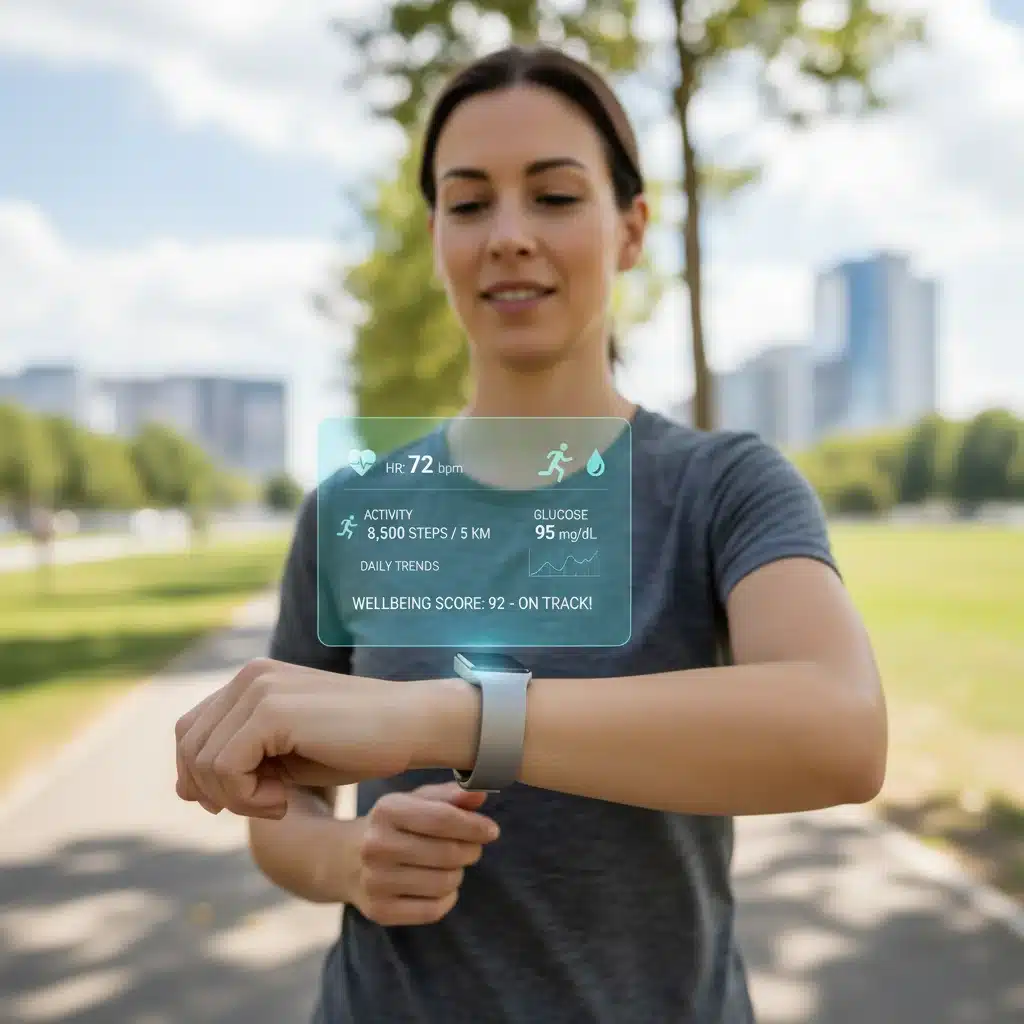
- Activity Levels: Sedentary vs. active lifestyles require different caloric and macronutrient ratios. Wearable devices now provide continuous data on activity, sleep, and even stress levels, which AI incorporates into dietary plans.
- Sleep Patterns: Poor sleep can significantly impact hormone regulation, appetite, and metabolic health. Personalized nutrition considers sleep quality and suggests dietary adjustments to improve it.
- Stress Management: Chronic stress can alter gut health, nutrient absorption, and inflammatory responses. Dietary recommendations can include foods that support stress resilience and gut-brain axis health.
- Environmental Exposures: Pollution, toxins, and even geographic location can influence nutrient needs and metabolic processes. While harder to quantify, advanced systems are beginning to factor in broader environmental impacts on health.
- Personal Preferences and Cultural Background: For any personalized nutrition plan to be sustainable, it must be enjoyable and align with an individual’s taste preferences, cultural background, and ethical considerations (e.g., vegetarian, vegan). AI is becoming adept at finding optimal dietary solutions within these personal constraints.
The integration of these factors ensures that personalized nutrition is not just scientifically sound but also practical and sustainable for everyday life, making the personalized nutrition future truly empowering.
The Practical Application of Personalized Nutrition in 2026
So, what does this all look like for the average person in 2026? The process is becoming increasingly streamlined and user-friendly.
Step 1: Comprehensive Assessment
The journey begins with a comprehensive assessment. This typically involves:
- Genetic Testing: A simple saliva or buccal swab sample is sent to a lab for whole-genome or targeted panel sequencing, revealing key nutrigenomic insights.
- Microbiome Analysis: A stool sample is analyzed to characterize the composition and function of the gut microbiome.
- Metabolic Profiling: Blood, urine, or breath tests provide a snapshot of current metabolic markers and nutrient status.
- Lifestyle Questionnaire: Detailed questions about diet history, activity levels, sleep patterns, stress, health goals, and food preferences are collected, often through intuitive digital interfaces.
This initial data collection forms the foundation for your unique personalized nutrition blueprint.
Step 2: AI-Powered Analysis and Plan Generation
Once the data is collected, AI algorithms get to work. They cross-reference your unique biological profile with vast databases of nutritional science, food composition, and clinical outcomes. The AI identifies specific dietary recommendations, food groups to emphasize or limit, and potential nutrient gaps.
The output is a highly detailed, actionable personalized nutrition plan that might include:
- Specific macronutrient ratios tailored to your metabolism and activity level.
- Recommendations for specific types of fats, carbohydrates, and proteins.
- Targeted food suggestions to optimize gut microbiome diversity or address specific genetic predispositions.
- Supplement recommendations based on identified deficiencies or genetic needs.
- Hydration strategies.
- Meal timing suggestions.
Step 3: Implementation and Ongoing Support
The personalized nutrition plan is then delivered through user-friendly apps or digital platforms. These platforms often include:
- Interactive Meal Planners: Generate daily or weekly meal plans with recipes that align with your personalized recommendations and preferences.
- Smart Grocery Lists: Automatically populate grocery lists based on your meal plans.
- Progress Tracking: Allow you to log food intake, activity, symptoms, and receive real-time feedback on adherence and impact.
- Wearable Integration: Seamlessly connect with smartwatches and other devices to continuously monitor biometric data (e.g., glucose levels, heart rate, sleep quality) and adjust recommendations accordingly.
- Expert Guidance: While AI provides the backbone, human nutritionists and dietitians remain crucial for interpreting complex data, addressing individual concerns, and providing motivational support. Many platforms offer direct access to these professionals.
The iterative nature of personalized nutrition means that your plan isn’t static. As your body changes, your lifestyle evolves, or new scientific insights emerge, your plan can be continuously updated and refined, ensuring you always have the most optimal dietary strategy. This dynamic adaptation is a hallmark of the personalized nutrition future.
Challenges and Ethical Considerations
While the personalized nutrition future holds immense promise, it’s not without its challenges and ethical considerations that must be carefully navigated.
- Data Privacy and Security: Collecting such intimate biological and lifestyle data raises significant concerns about privacy, data storage, and potential misuse. Robust regulations and transparent data handling practices are paramount.
- Accessibility and Equity: Advanced personalized nutrition services can be costly. Ensuring equitable access so that these health benefits are not limited to the affluent is a critical challenge. Public health initiatives and scalable technologies will be vital.
- Scientific Validation: As the field rapidly evolves, continuous scientific validation of the efficacy of personalized interventions is necessary to build trust and ensure recommendations are evidence-based.
- Over-reliance on Technology: While technology is powerful, it’s essential to maintain a holistic view of health and avoid an over-reliance that might disconnect individuals from their own body’s signals and intuitive eating.
- Interpretation and Misinformation: The complexity of genetic and microbiome data requires careful interpretation. Clear communication and avoidance of sensationalized or misleading claims are crucial to prevent consumer confusion.
Addressing these challenges proactively will be key to the widespread and responsible adoption of personalized nutrition.
The Transformative Impact of Personalized Nutrition
The implications of a fully realized personalized nutrition future extend far beyond individual dietary choices:
- Disease Prevention: By identifying risks and intervening early with precise dietary strategies, personalized nutrition has the potential to significantly reduce the incidence of chronic diseases like diabetes, cardiovascular disease, and certain cancers.
- Improved Public Health: A healthier population leads to reduced healthcare costs, increased productivity, and enhanced overall quality of life.
- Enhanced Athletic Performance: Athletes can optimize their nutrition for peak performance, faster recovery, and injury prevention based on their unique biological needs.
- Better Mental Well-being: Understanding the gut-brain axis and tailoring diets to support neurotransmitter balance can lead to improved mood, reduced anxiety, and enhanced cognitive function.
- Sustainable Food Systems: As we gain deeper insights into individual needs, there’s potential to reduce food waste by optimizing consumption patterns and promoting sustainable food production that aligns with personalized requirements.
- Longevity and Healthy Aging: By continually optimizing cellular health and mitigating age-related decline through precise nutrition, personalized approaches can contribute to healthier, longer lives.
The personalized nutrition future is not just about eating better; it’s about living better, with a deeper understanding and appreciation for our own unique biology.
Embracing Your Personalized Nutrition Future
As we move further into 2026, the era of generalized dietary advice is drawing to a close. The future of health is deeply personal, driven by scientific innovation and technological prowess. Personalized nutrition offers an unparalleled opportunity to understand your body’s unique blueprint and to fuel it with precisely what it needs to thrive.
Whether you’re looking to optimize athletic performance, manage a health condition, prevent future illness, or simply feel your best every day, embracing personalized nutrition is the most powerful step you can take. It’s an investment in your long-term health, offering a path to vitality and well-being that is as unique as you are. The personalized nutrition future is here, and it’s ready to transform your relationship with food and your health.
Frequently Asked Questions about Personalized Nutrition in 2026
Q1: Is personalized nutrition only for people with specific health conditions?
A1: Not at all! While it can be incredibly beneficial for managing existing conditions, personalized nutrition is increasingly being adopted by healthy individuals looking to optimize their well-being, enhance performance, prevent future diseases, and achieve peak vitality. It’s about proactive health management for everyone.
Q2: How often do I need to get re-tested for personalized nutrition?
A2: Genetic data remains constant, so that initial test provides lifelong insights. However, your microbiome and metabolic profile are dynamic. It’s generally recommended to re-test your microbiome every 6-12 months, or whenever there’s a significant lifestyle change or health goal shift. Metabolic markers might be monitored more frequently, depending on your specific needs and goals, often with guidance from your personalized nutrition provider.
Q3: Is personalized nutrition expensive?
A3: The initial comprehensive testing and setup can involve an investment. However, as technology advances and adoption increases, costs are becoming more accessible. Many services now offer tiered plans, and the long-term benefits in terms of improved health, reduced healthcare costs, and enhanced quality of life often outweigh the initial expense. Think of it as an investment in preventative health.
Q4: Can I do personalized nutrition on my own with at-home kits?
A4: While many at-home kits provide valuable data (e.g., genetic or microbiome insights), interpreting this complex information and translating it into actionable, safe, and effective dietary plans usually requires professional expertise. Many personalized nutrition platforms integrate these kits with AI analysis and expert guidance to ensure comprehensive and reliable recommendations. It’s best to consult with qualified professionals or utilize reputable platforms.
Q5: How does personalized nutrition handle food allergies or intolerances?
A5: Personalized nutrition platforms are designed to integrate known food allergies and intolerances into your plan. Genetic testing can sometimes highlight predispositions, and metabolic profiling can reveal inflammatory responses to certain foods. The AI algorithms will then exclude these items and suggest suitable alternatives, ensuring your plan is both effective and safe for your specific needs.
Q6: Will personalized nutrition eliminate the need for doctors or dietitians?
A6: Absolutely not. Personalized nutrition complements the role of healthcare professionals. While AI can process vast amounts of data and generate recommendations, human doctors and dietitians provide crucial medical oversight, address complex health conditions, offer psychological support, and interpret nuanced results that AI alone cannot. The best approach involves a collaborative effort between technology and human expertise.
Q7: What kind of foods are typically recommended in a personalized nutrition plan?
A7: The specific foods vary wildly from person to person, as that’s the essence of personalization! However, common themes often include whole, unprocessed foods; a diverse range of fruits, vegetables, and whole grains; lean proteins; and healthy fats. The emphasis is always on nutrient density and foods that specifically support your genetic profile, microbiome health, and metabolic needs, rather than adherence to a single restrictive diet philosophy.