Embrace Wabi-Sabi Home Decor 2026: Imperfection for Calm
In a world increasingly dominated by polished perfection and fleeting trends, there’s a growing yearning for authenticity, calm, and connection to something real. This desire is leading many to embrace a philosophy that has existed for centuries: Wabi-Sabi. Originating from Japanese aesthetics, Wabi-Sabi finds beauty in imperfection, transience, and natural simplicity. For 2026, Wabi-Sabi home decor is not just a trend; it’s a mindful movement, offering a serene antidote to the digital noise and fast-paced nature of modern life. It’s about creating spaces that feel lived-in, soulful, and deeply comforting, celebrating the unique story each object and surface tells.
Imagine stepping into a home where every element, from the weathered wooden table to the subtly chipped ceramic mug, whispers tales of time and authenticity. This is the essence of Wabi-Sabi. It’s a departure from sterile, showroom-perfect interiors, inviting us instead to appreciate the worn, the rustic, and the understated. As we look towards 2026, the principles of Wabi-Sabi home decor offer a powerful framework for designing environments that not only look beautiful but also foster a sense of peace and well-being. This comprehensive guide will explore how you can infuse your living spaces with the tranquil spirit of Wabi-Sabi, transforming your home into a sanctuary that celebrates the beauty of imperfection.
Understanding the Essence of Wabi-Sabi Home Decor
Before diving into practical applications, it’s crucial to grasp the core philosophy behind Wabi-Sabi. It’s not merely a decorative style; it’s a worldview. ‘Wabi’ refers to the beauty of rustic simplicity, quietness, and understatement, often found in natural objects or processes. It teaches us to find richness in poverty, and freedom in detachment. ‘Sabi’ speaks to the beauty that comes with age, the patina of time, and the inevitable decay of all things. It celebrates the marks of wear, the faded colors, and the subtle imperfections that tell a story of endurance and change. Together, Wabi-Sabi is about appreciating the profound beauty of transience and imperfection, finding elegance in the humble and authentic.
The Philosophical Roots of Wabi-Sabi
The concept of Wabi-Sabi emerged from Zen Buddhism in 15th-century Japan, particularly influencing the tea ceremony. Instead of grand, opulent settings, tea masters began to favor modest, handmade utensils and simple, rustic tea houses. This shift was a deliberate embrace of humility and an appreciation for the natural world. It was a rejection of extravagance and a move towards a deeper, more spiritual connection with objects and surroundings. This historical context is vital because it underscores that Wabi-Sabi home decor is less about acquiring specific items and more about cultivating a particular mindset – a reverence for the imperfect, the impermanent, and the incomplete.
Why Wabi-Sabi Resonates in 2026
In an era of mass production and digital artifice, Wabi-Sabi offers a refreshing counter-narrative. It encourages us to slow down, to observe, and to find beauty in the ordinary. The emphasis on natural materials and handmade items aligns perfectly with the growing global consciousness around sustainability and ethical consumption. People are increasingly seeking meaning and authenticity in their possessions and environments. Wabi-Sabi provides a framework for creating homes that feel personal, unique, and deeply comforting, fostering a sense of calm and mindfulness that is often elusive in our busy lives. It’s about creating a refuge where you can truly be yourself, surrounded by objects that have soul and character.
Key Elements of Wabi-Sabi Home Decor for a Calmer Vibe in 2026
Translating the abstract philosophy of Wabi-Sabi into tangible home decor elements involves a careful selection of materials, textures, colors, and an approach to arrangement that prioritizes natural beauty and understated elegance. It’s not about strict rules, but rather guiding principles that allow for personal interpretation and genuine expression.
1. Embracing Natural Materials
The foundation of Wabi-Sabi lies in its deep connection to nature. This translates into a strong preference for natural, untreated, and raw materials. Think wood with knots and grain showing, unglazed ceramics, linen, cotton, wool, stone, and even aged metals. These materials are chosen for their organic textures, their ability to age gracefully, and their inherent imperfections. They bring a sense of grounding and authenticity to a space, reminding us of the outside world and its inherent beauty.
- Wood: Opt for unfinished, reclaimed, or lightly treated wood. The visible grain, knots, and even small cracks are celebrated as marks of character. Furniture made from solid, robust pieces of wood that show their history is ideal.
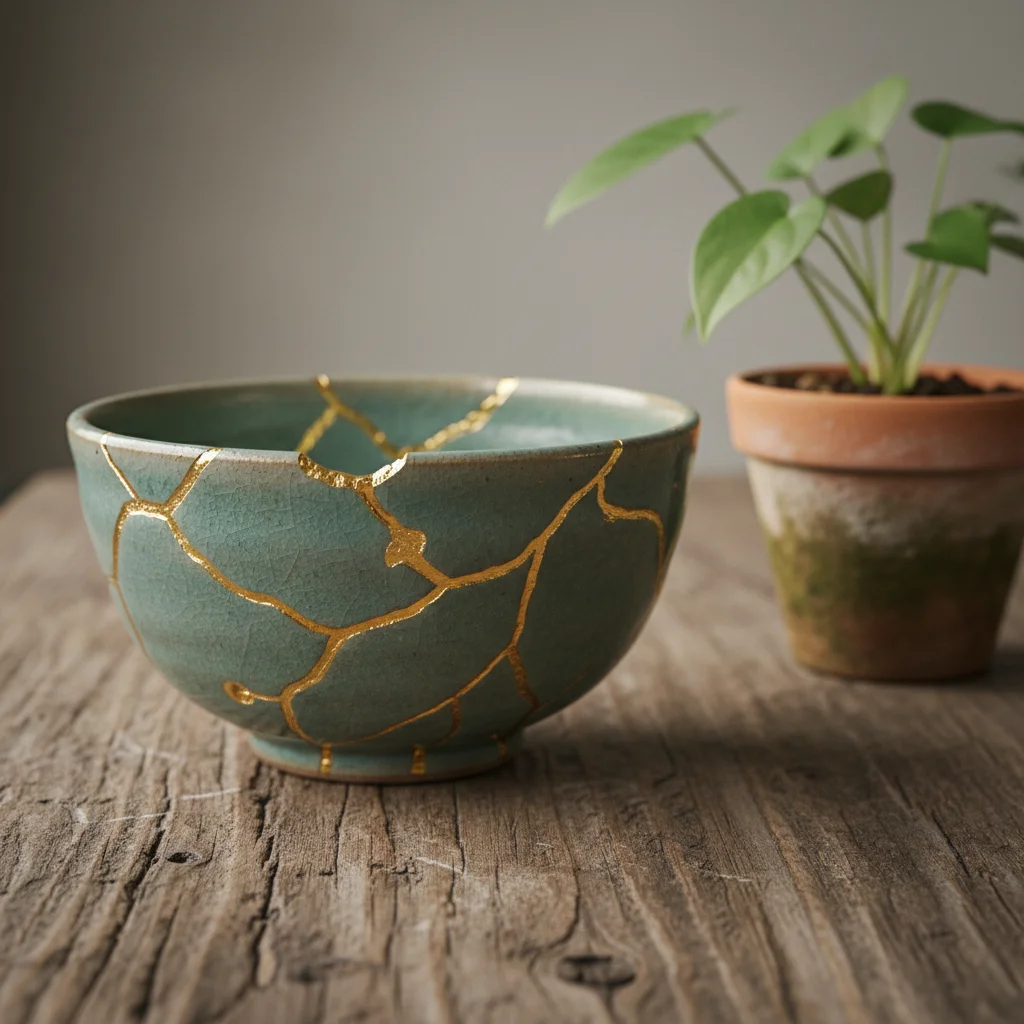
- Ceramics and Pottery: Handmade pottery, especially with irregular shapes, uneven glazes, or visible firing marks, embodies the Wabi-Sabi spirit. The Japanese art of Kintsugi, where broken pottery is repaired with gold lacquer, beautifully symbolizes the Wabi-Sabi appreciation for flaws and repair.
- Textiles: Linen, raw cotton, hemp, and wool are preferred for their natural textures, breathability, and the way they soften and drape over time. Look for subtle variations in weave and natural dyes.
- Stone and Concrete: Exposed concrete walls or floors, natural stone tiles, or even river stones used as decorative elements add an earthy, grounded feel. Their inherent variations and rough textures are highly valued.
2. The Beauty of Imperfection and Asymmetry
This is perhaps the most defining characteristic of Wabi-Sabi. Reject symmetry and mass-produced uniformity. Instead, seek out objects that have a unique story, a visible flaw, or an irregular form. A slightly uneven handmade vase, a naturally gnarled piece of driftwood, a table with an imperfect finish – these are treasures in a Wabi-Sabi home. These imperfections are not seen as defects but as evidence of authenticity, the passing of time, and the human touch. They add character and warmth that perfect objects often lack.
3. Muted and Earthy Color Palettes
Wabi-Sabi interiors typically feature a calming palette inspired by nature. Think soft grays, warm beiges, off-whites, muted greens, earthy browns, and charcoal. These colors create a serene backdrop, allowing the textures and forms of objects to come to the forefront. Harsh, bright, or highly saturated colors are generally avoided as they can disrupt the sense of tranquility. The goal is to create a harmonious, understated environment that feels restful to the eyes and the soul.
4. Minimalism with Meaning
While Wabi-Sabi shares some common ground with minimalism, its approach is distinct. It’s not about stark emptiness but about intentionality. Each object in a Wabi-Sabi home is chosen for its beauty, utility, or sentimental value. There is no clutter, as excess detracts from the appreciation of individual pieces. The space breathes, allowing each item to be seen and appreciated. This mindful approach to possessions fosters a sense of clarity and reduces visual noise, contributing to a calmer atmosphere.
5. Celebrating the Patina of Time
Wabi-Sabi actively embraces the signs of age and wear. A faded rug, a slightly tarnished metal object, a piece of wood that has developed a rich patina over years – these are not things to be hidden or replaced but cherished. They tell a story, grounding the space in history and continuity. This acceptance of transience encourages us to live with our possessions, allowing them to evolve and change with us, rather than constantly striving for newness.
6. Natural Light and Shadow Play
Lighting in a Wabi-Sabi space is often soft, diffused, and natural. Heavy curtains are replaced with sheer fabrics or left bare to allow sunlight to filter in. The interplay of light and shadow is appreciated, creating subtle shifts in mood and highlighting the textures of materials throughout the day. Artificial lighting tends to be warm and ambient, avoiding harsh overhead lights in favor of lamps that cast gentle glows, enhancing the cozy and contemplative atmosphere.
Integrating Wabi-Sabi into Your 2026 Home: Practical Steps
Ready to transform your home with the calming influence of Wabi-Sabi home decor? Here are practical steps to help you get started, focusing on different areas of your home.
Living Room: A Sanctuary of Serenity
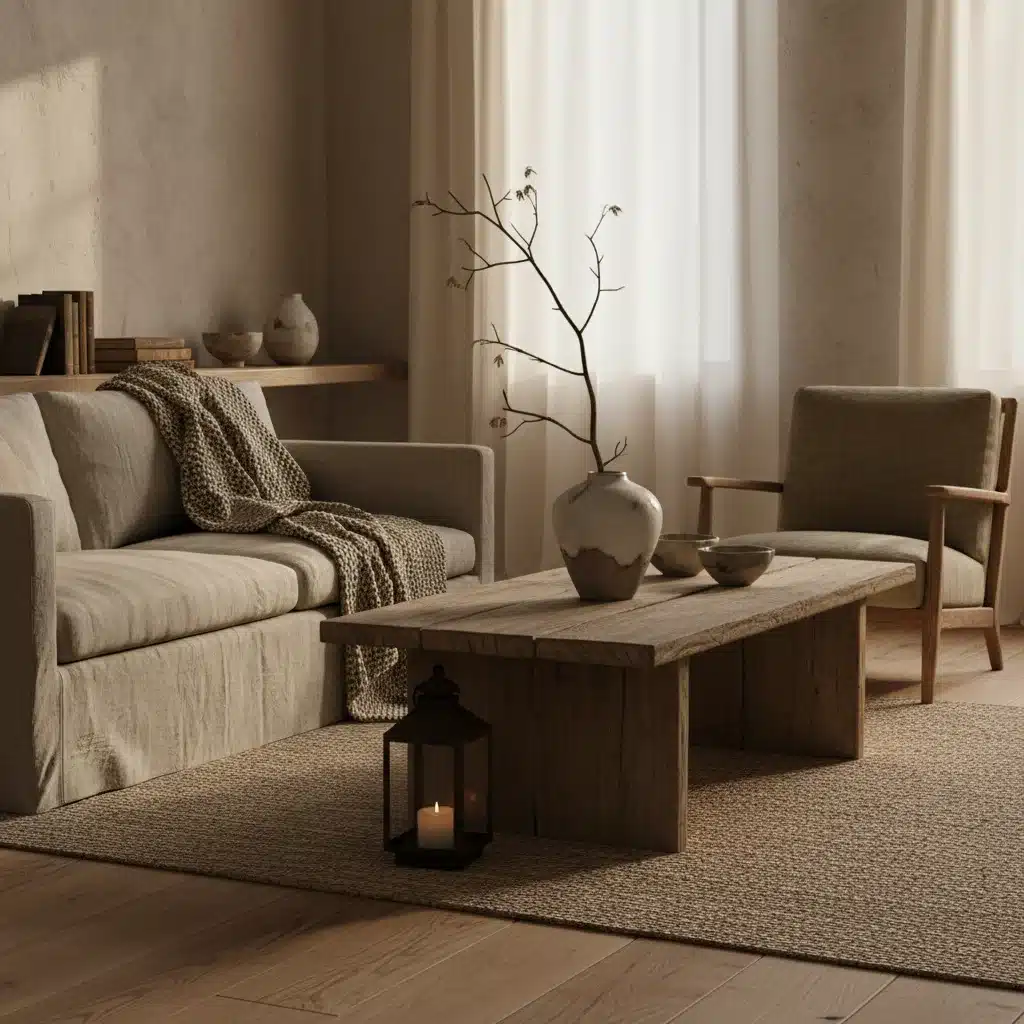
The living room is often the heart of the home, making it an ideal place to introduce Wabi-Sabi principles. Start by decluttering, removing anything that doesn’t serve a purpose or bring you joy. Choose furniture with clean lines and natural materials. A linen sofa, a solid wood coffee table with visible grain, and perhaps a simple, hand-woven rug are excellent starting points. Instead of a gallery wall, consider a single piece of abstract art or a natural element like a large, beautiful branch in an unglazed vase. Lighting should be soft; think floor lamps with linen shades or ceramic bases. Embrace the worn look of an antique armchair or a vintage wooden chest as a focal point.
Bedroom: Cultivating Restful Simplicity
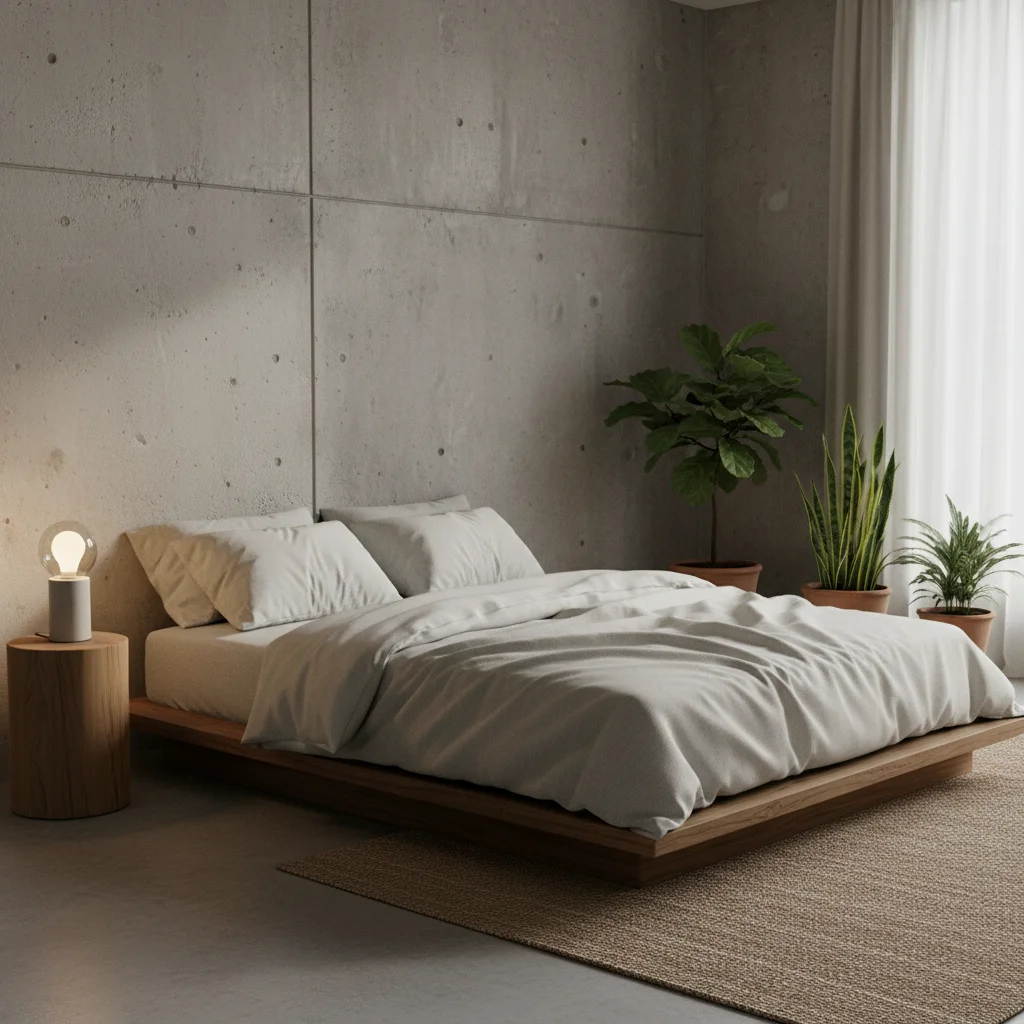
For the bedroom, Wabi-Sabi promotes an environment conducive to rest and introspection. Focus on organic bedding in muted tones – linen, cotton, or hemp are perfect. Keep surfaces clear, with only essential items on bedside tables, perhaps a simple ceramic lamp and a small plant. A low-profile bed frame made of natural wood can enhance the grounded feel. Avoid excessive ornamentation. The beauty lies in the quality of the materials and the tranquility of the space itself. A textured wall finish, such as limewash or plaster, can add depth without needing additional decoration.
Kitchen and Dining: Functional Beauty
In the kitchen, embrace the beauty of functional objects. Open shelving can display handmade ceramic dishes, wooden bowls, and glass jars filled with natural ingredients. A rustic wooden dining table, perhaps one that shows signs of use, becomes a gathering place. Avoid overly matched sets; instead, mix and match stoneware and pottery with subtle variations. Natural light is key here too, making the space feel open and inviting. Consider a simple, unadorned backsplash made of natural stone or subway tiles with imperfect grouting.
Bathroom: A Spa-like Retreat
Transform your bathroom into a serene retreat with Wabi-Sabi. Use natural materials like stone, wood, and concrete for countertops and flooring. Simple white or off-white towels made of organic cotton or linen will add to the minimalist aesthetic. Replace plastic accessories with ceramic or wooden alternatives. A small, carefully placed plant can bring a touch of nature. The goal is to create a clean, uncluttered space that feels fresh and calming, focusing on tactile experiences and natural elements.
Beyond the Walls: Outdoor Spaces
Wabi-Sabi extends to outdoor areas as well. Create a simple, natural garden with native plants, irregular stone paths, and perhaps a weathered wooden bench. Embrace the natural growth patterns of plants and allow elements to age gracefully. A stone water feature or a simple ceramic planter can add to the tranquil atmosphere. The idea is to blur the lines between indoor and outdoor, creating a seamless flow with nature.
Cultivating a Wabi-Sabi Mindset: More Than Just Decor
While specific decor choices are important, truly embracing Wabi-Sabi home decor means cultivating a particular mindset. It’s about shifting your perspective and finding beauty in places you might have previously overlooked.
Appreciating the Impermanent
Life is constantly changing, and Wabi-Sabi encourages us to accept and even celebrate this transience. This means being okay with a fading textile, a plant that changes with the seasons, or the subtle wear and tear on your favorite armchair. It’s about understanding that nothing lasts forever, and finding beauty in each stage of existence.
Finding Beauty in the Mundane
Wabi-Sabi teaches us to elevate the ordinary. A simple, perfectly brewed cup of tea, the texture of a handmade bowl, the way light falls on a wall – these everyday moments become opportunities for profound appreciation. By slowing down and paying attention, we can find richness in the simplest things.
Embracing Authenticity Over Perfection
In a world obsessed with curated perfection, Wabi-Sabi offers liberation. It encourages us to be authentic, both in our homes and in ourselves. It’s about creating spaces that reflect who we truly are, with all our quirks and imperfections, rather than striving for an unattainable ideal. This authenticity fosters a sense of comfort and belonging.
The Role of Sustainability and Conscious Consumption
Inherently, Wabi-Sabi promotes a sustainable lifestyle. By valuing existing objects, repairing what is broken, and choosing natural, durable materials, we reduce waste and our environmental footprint. It encourages conscious consumption – buying fewer, higher-quality items that are made to last and age beautifully, rather than constantly replacing mass-produced goods. This aligns perfectly with 2026’s growing emphasis on eco-conscious living.
Challenges and Considerations in Adopting Wabi-Sabi in 2026
While the allure of Wabi-Sabi is strong, it’s important to approach its implementation with thoughtful consideration. It’s not about blindly following rules, but about genuine understanding and adaptation.
Avoiding a ‘Staged’ Wabi-Sabi Look
One of the biggest pitfalls is attempting to ‘stage’ Wabi-Sabi. True Wabi-Sabi evolves organically. It’s not about buying brand-new items that are designed to look old or imperfect. It’s about finding genuine pieces, allowing them to age naturally, and appreciating their inherent characteristics. The goal is an authentic, lived-in feel, not a manufactured one. Be patient and allow your home to tell its own story over time.
Balancing Simplicity with Comfort
While Wabi-Sabi champions minimalism, it should never come at the expense of comfort. A Wabi-Sabi home should feel inviting and cozy, not sparse or austere. The simplicity is meant to enhance comfort and tranquility, not detract from it. Ensure your chosen materials, furniture, and arrangements prioritize both aesthetic appeal and practical liveability. For example, a rough-hewn wooden bench might look Wabi-Sabi, but adding a soft linen cushion makes it truly functional and comfortable.
The Cost of Authenticity
Authentic, handmade, and natural materials can sometimes come with a higher price tag than mass-produced alternatives. However, Wabi-Sabi encourages thoughtful investment in fewer, higher-quality pieces that will last a lifetime, rather than frequent purchases of disposable items. It’s about value over volume. Additionally, incorporating found objects, upcycled pieces, or DIY projects can be a cost-effective way to introduce Wabi-Sabi elements.
Personal Interpretation is Key
Ultimately, Wabi-Sabi is a personal journey. There’s no single ‘right’ way to implement it. What feels authentic and beautiful to one person may differ for another. The most successful Wabi-Sabi spaces are those that genuinely reflect the personality and values of their inhabitants. Don’t be afraid to experiment, to combine elements in unexpected ways, and to let your space evolve with you. The beauty lies in the process of discovery and personal expression.
Conclusion: Embracing a Calmer Home in 2026 with Wabi-Sabi
As we navigate the complexities of modern life, the philosophy of Wabi-Sabi offers a profound path to creating homes that are not just aesthetically pleasing but also deeply nurturing. For 2026, Wabi-Sabi home decor transcends fleeting trends, inviting us to slow down, appreciate the natural world, and find beauty in the imperfect, the impermanent, and the incomplete. It’s about cultivating spaces that resonate with authenticity, foster tranquility, and tell a unique story.
By embracing natural materials, celebrating imperfections, adopting a muted color palette, and practicing intentional minimalism, you can transform your home into a sanctuary of calm. More than just a design style, Wabi-Sabi is a way of living – a gentle reminder that true beauty often lies in the subtle, the understated, and the perfectly imperfect. Let your home be a testament to this enduring wisdom, a place where every crack, every faded hue, and every worn texture contributes to a richer, more soulful existence. Embrace Wabi-Sabi, and welcome a calmer, more authentic home in 2026 and beyond.