Wellness Tech 2026: 6 Gadgets Revolutionizing Self-Care & Health
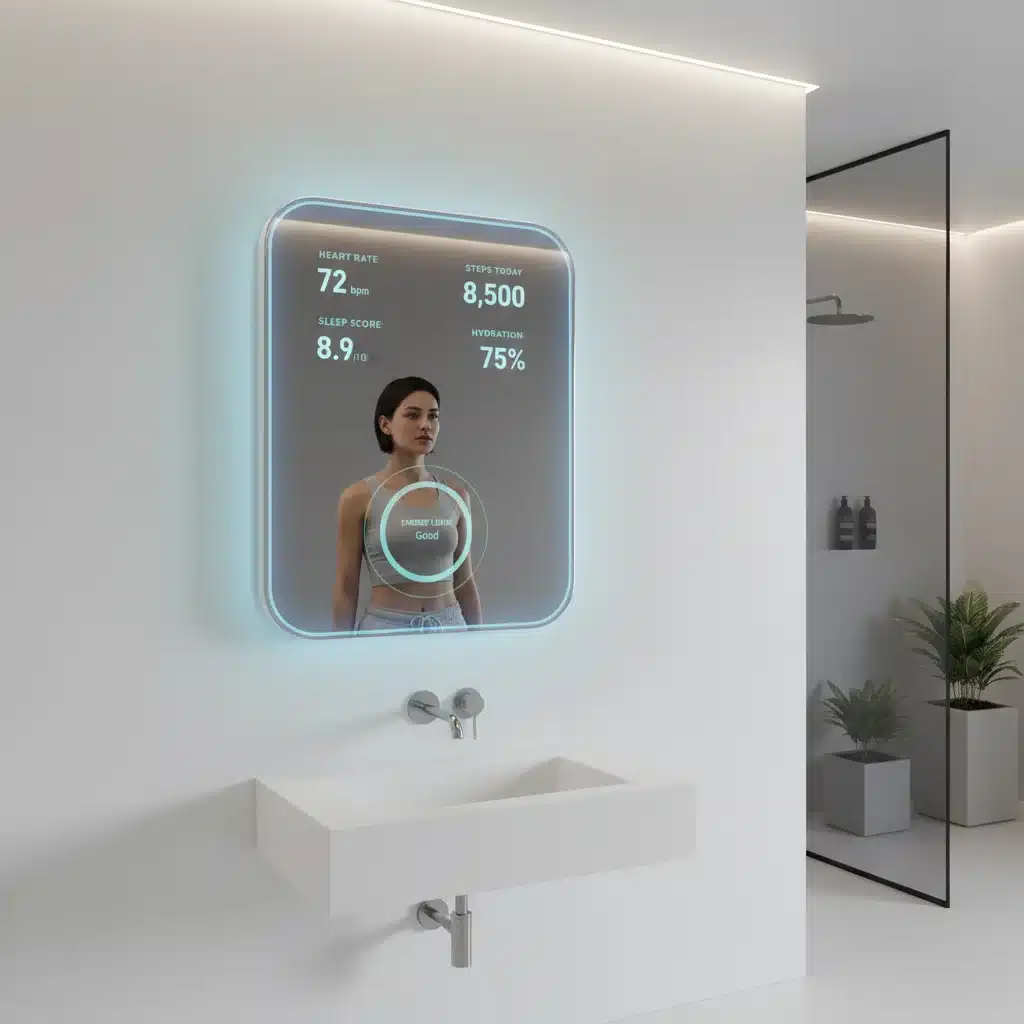
Wellness Tech 2026: 6 Innovative Gadgets Revolutionizing Self-Care
The landscape of self-care is undergoing a profound transformation, driven by an accelerating pace of technological innovation. As we peer into the near future, specifically to 2026, it’s clear that “wellness tech” will no longer be a niche market but a cornerstone of our daily routines. These advancements promise not just convenience but deeply personalized insights and proactive solutions for our physical, mental, and emotional well-being. The era of generic health advice is fading, replaced by a hyper-individualized approach powered by smart devices and sophisticated algorithms.
The global wellness market is booming, and technology is its most dynamic segment. From wearables that track our every physiological nuance to smart home devices that cultivate serene environments, the integration of technology into our wellness journey is becoming seamless and intuitive. This article delves into six innovative gadgets that are poised to redefine self-care by 2026, offering a glimpse into a healthier, more balanced future. We’ll explore how these tools move beyond simple tracking to offer prescriptive, preventative, and profoundly impactful solutions.
1. Hyper-Personalized Biometric Feedback Rings
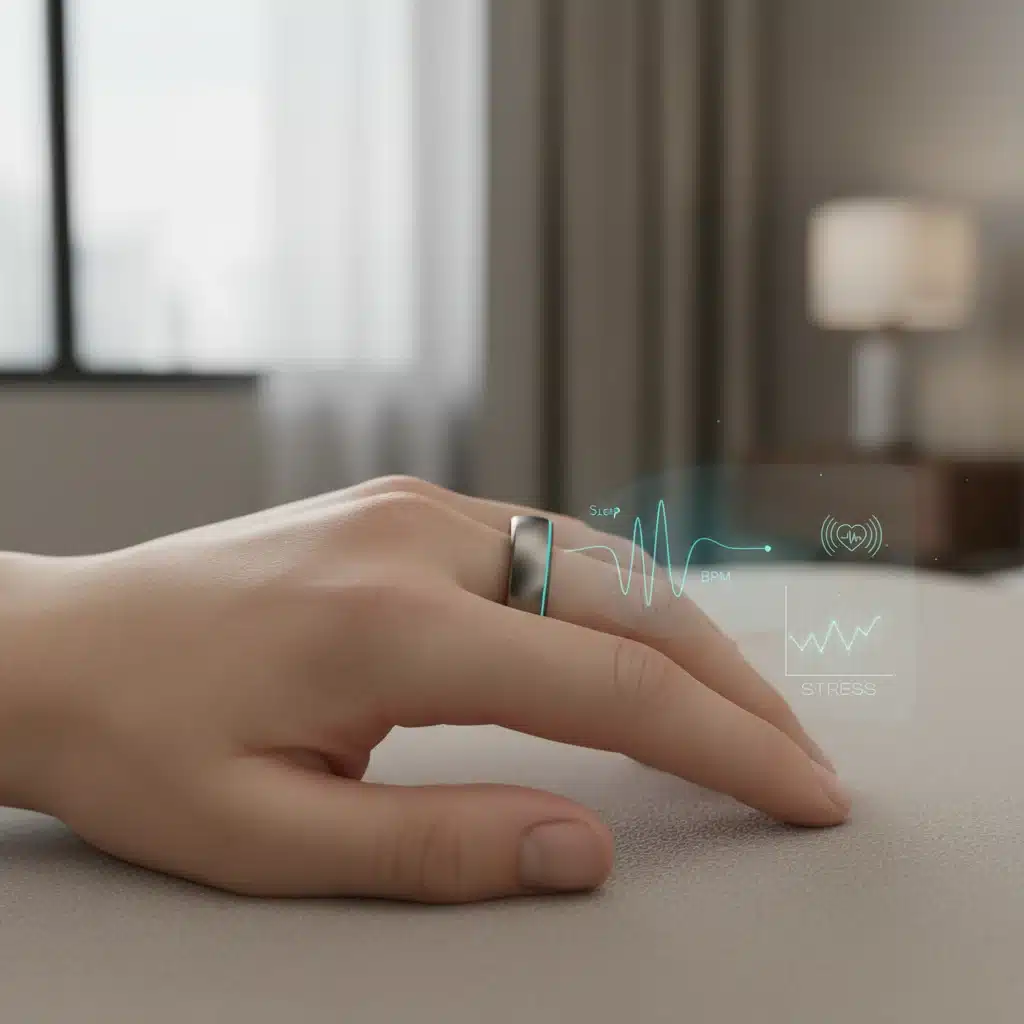
Forget bulky smartwatches; the future of continuous health monitoring is discreet and stylish. By 2026, “wellness tech 2026” will be synonymous with hyper-personalized biometric feedback rings. These aren’t just step counters; they are miniature, sophisticated labs on your finger, capable of tracking an unprecedented array of physiological markers with astonishing accuracy.
Imagine a ring that continuously monitors your heart rate variability (HRV), skin temperature, blood oxygen saturation, sleep stages (REM, deep, light), and even subtle changes in blood pressure. But the innovation doesn’t stop at data collection. These rings, powered by advanced AI, will analyze your unique biometric patterns to provide real-time, actionable insights. For instance, if your HRV drops significantly, indicating increased stress or potential illness, the ring might suggest a guided breathing exercise through an accompanying app, recommend a specific type of meditation, or even advise on optimal sleep timing based on your circadian rhythm.
The true revolution lies in personalization. These devices will learn your body’s unique baseline and deviations, offering tailored advice that evolves with you. Athletes could optimize training and recovery, individuals managing chronic conditions could receive early warnings, and anyone seeking better general health could proactively adjust their lifestyle based on precise, personal data. This level of intimate, continuous feedback moves us from reactive health management to truly preventative wellness.
The integration with other smart home devices is also a key feature. Your ring could communicate with your smart bed to adjust its firmness for optimal sleep, or with your smart thermostat to maintain an ideal room temperature for recovery. The convenience and subtlety of these rings make them a powerful tool for everyday wellness, ensuring that crucial health data is always at your fingertips without being intrusive.
2. Advanced AI-Powered Mental Wellness Companions
Mental well-being is finally receiving the attention it deserves, and “wellness tech 2026” will bring forth highly advanced AI-powered mental wellness companions. These aren’t just chatbots; they are sophisticated digital entities designed to understand, support, and guide users through their emotional and psychological landscapes.
These companions will leverage natural language processing (NLP) and emotional AI to interpret tone, sentiment, and even subtle linguistic cues in your interactions. They can offer personalized cognitive behavioral therapy (CBT) exercises, mindfulness practices, and stress reduction techniques. Unlike human therapists, they are available 24/7, providing immediate support during moments of anxiety or distress.
Key features will include personalized mood tracking, identifying triggers and patterns over time. If the AI detects a consistent dip in mood around specific events or times of the day, it can proactively suggest coping strategies or connect you with professional resources if needed. Some will even integrate with biometric data from other wearables (like the rings mentioned above) to correlate physiological stress markers with emotional states, offering a holistic view of your mental health.
Moreover, these companions will evolve beyond simple conversational interfaces. They might project calming holographic visuals, generate personalized soundscapes for relaxation, or guide you through immersive virtual reality (VR) meditation experiences. The goal is to create a safe, non-judgmental space for emotional processing and growth, making mental health support more accessible and destigmatized for millions. The “wellness tech 2026” landscape will see these companions as indispensable tools for daily emotional regulation and long-term psychological resilience.
3. Smart Sleep Optimization Systems
Sleep is a foundational pillar of health, yet many struggle to achieve truly restorative rest. By 2026, “wellness tech” will offer comprehensive smart sleep optimization systems that go far beyond basic sleep tracking. These systems will integrate multiple technologies to create the ideal sleep environment tailored to your unique biological needs.
Imagine a smart mattress that not only tracks your sleep cycles but also dynamically adjusts its firmness, temperature, and even elevation throughout the night to optimize each sleep stage. Integrated sensors will monitor your breathing, heart rate, and movements, making real-time adjustments to minimize disturbances and maximize recovery. If you snore, the mattress might gently elevate your head to open airways. If you’re too warm, specific zones will cool down.
These systems will also incorporate smart lighting and sound. A “sunrise alarm” will simulate natural light to gently wake you, while intelligent soundscapes will adapt based on your sleep stage, offering white noise during deep sleep and soothing melodies during lighter phases. Some systems might even include subtle aromatherapy diffusers, releasing calming scents like lavender as you drift off and invigorating aromas to aid waking.
The data collected by these systems will be incredibly rich, providing deep insights into sleep quality, efficiency, and potential issues. AI algorithms will analyze this data over time, offering personalized recommendations for pre-sleep routines, optimal bedtime windows, and even dietary adjustments that could improve sleep. The aim is to create a truly personalized sleep sanctuary, ensuring you wake up feeling refreshed, revitalized, and ready to tackle the day.
4. Personalized Nutritional & Hydration ‘Scanners’
Understanding what our bodies truly need in terms of nutrition and hydration is complex. “Wellness tech 2026” promises to simplify this with handheld, non-invasive scanners that provide real-time, personalized dietary insights. These devices will move beyond calorie counting to offer a deeper understanding of your body’s metabolic state.
Picture a compact device that you can point at your food to instantly analyze its macronutrient and micronutrient composition, allergen presence, and even pesticide residues. This isn’t just about identifying ingredients; advanced spectral analysis combined with AI will estimate how that specific food item might impact your unique biochemistry based on your personal profile (genetics, activity level, current health goals, and even gut microbiome data gathered from other “wellness tech” devices).
For hydration, similar wearable sensors or smart water bottles will not only track your water intake but also analyze your electrolyte balance and hydration levels through sweat or even non-invasively through skin conductivity. They will then provide real-time recommendations on how much and what type of fluids you need, perhaps suggesting electrolyte-rich drinks after an intense workout or simply a reminder to sip water throughout the day.
The power of these “wellness tech 2026” scanners lies in their prescriptive capabilities. Instead of generic dietary guidelines, you’ll receive recommendations tailored to optimize your energy levels, athletic performance, weight management, or even mood. This eliminates much of the guesswork from healthy eating and drinking, empowering individuals to make truly informed choices for their bodies.
5. Immersive VR/AR Fitness & Mindfulness Platforms
Exercise and mindfulness are crucial for holistic wellness, but motivation and accessibility can be barriers. By 2026, immersive virtual reality (VR) and augmented reality (AR) platforms will revolutionize how we engage with fitness and mindfulness, making them more engaging, effective, and convenient.
Imagine stepping into a VR world where your personal AI trainer guides you through a high-intensity interval training (HIIT) session on a virtual alien planet, or a yoga class on a serene mountain peak. These platforms will offer dynamic environments, real-time biometric feedback (integrated with your other wearables), and gamified challenges that make working out feel less like a chore and more like an adventure. AR could overlay workout instructions onto your living room, turning it into a personalized gym with virtual equipment and instructors.
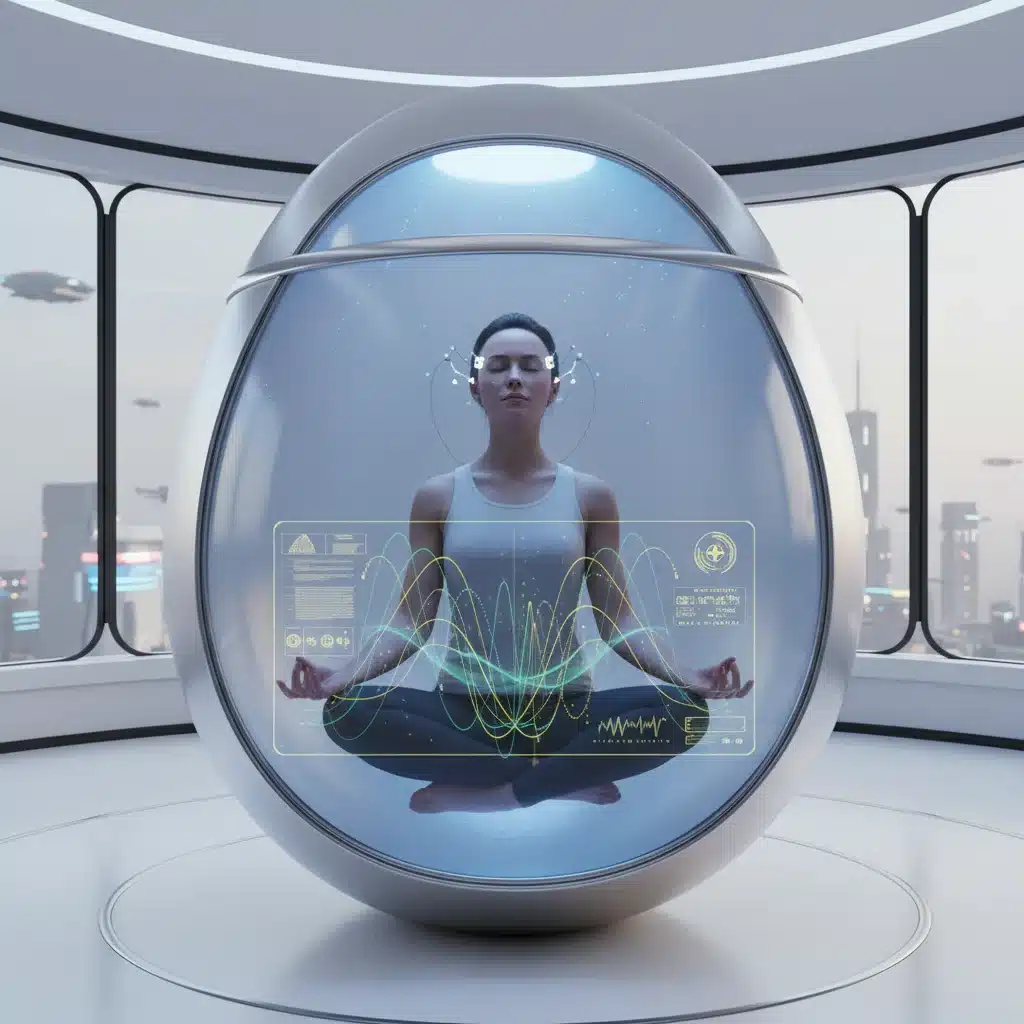
For mindfulness, VR/AR will create truly immersive meditation experiences. Users could “visit” tranquil digital forests, float through cosmic landscapes, or engage in guided meditations with interactive elements designed to enhance focus and relaxation. These environments can dynamically respond to your physiological state, adjusting visuals and sounds to deepen your meditative state based on real-time brainwave or heart rate data.
The social aspect will also be enhanced. You could join virtual group fitness classes with friends from around the world, or participate in shared mindfulness sessions. This blend of cutting-edge graphics, personalized coaching, and social interaction will make fitness and mindfulness more accessible, enjoyable, and sustainable for a wider audience, solidifying their place in the “wellness tech 2026” ecosystem.
6. Predictive Health & Disease Prevention Systems
Perhaps the most transformative aspect of “wellness tech 2026” will be the emergence of sophisticated predictive health and disease prevention systems. These systems will leverage the vast amounts of data collected by all the aforementioned devices, combined with genetic information, lifestyle inputs, and even environmental data, to identify potential health risks long before symptoms appear.
Think of a personal “health dashboard” that aggregates all your biometric, nutritional, activity, and sleep data. This data, anonymized and secured, will be analyzed by advanced AI models that can detect subtle patterns indicative of future health issues – from the early markers of metabolic syndrome to increased risk factors for cardiovascular disease or even certain cancers. The system wouldn’t just flag risks; it would provide personalized, evidence-based recommendations for preventative action.
For example, if your continuous glucose monitor (CGM) and activity tracker, combined with genetic predispositions, suggest an elevated risk for type 2 diabetes, the system might recommend a specific low-glycemic diet plan, a personalized exercise regimen, and regular check-ins with a virtual health coach. It could also connect you directly with healthcare providers for early intervention or specialized screenings.
These systems will empower individuals to take proactive control of their health in an unprecedented way. Instead of reacting to illness, we will be able to anticipate and mitigate risks, leading to longer, healthier, and more vibrant lives. The ethical implications of such predictive power will, of course, be a critical area of development, ensuring data privacy and responsible use are at the forefront. But the potential for genuine disease prevention makes this one of the most exciting frontiers in “wellness tech 2026.”
The Future of Self-Care is Personalized and Proactive
As we navigate towards 2026, the integration of cutting-edge technology into our daily self-care routines will become increasingly seamless and sophisticated. The six innovative gadgets and systems discussed – from hyper-personalized biometric rings to predictive health platforms – represent a significant leap forward in how we understand, manage, and optimize our well-being. This “wellness tech 2026” revolution is not just about fancy gadgets; it’s about empowering individuals with unprecedented data, insights, and tools to live healthier, happier, and more fulfilling lives.
The overarching theme is personalization. Generic advice is being replaced by bespoke solutions tailored to our unique biology, lifestyle, and goals. This shift enables a proactive approach to health, allowing us to prevent issues before they arise and optimize our physical and mental performance in ways previously unimaginable. The convergence of AI, advanced sensors, and immersive experiences will make self-care more engaging, accessible, and deeply impactful.
Of course, with great power comes great responsibility. The development of “wellness tech 2026” will also necessitate careful consideration of data privacy, security, and ethical guidelines to ensure these technologies serve humanity’s best interests. However, the potential for these innovations to democratize health knowledge and empower individuals to take charge of their well-being is immense.
The future of self-care is not just about treating illness; it’s about cultivating optimal health and resilience in every aspect of our lives. These upcoming gadgets and platforms are not just tools; they are companions on our journey towards a more informed, integrated, and ultimately healthier existence. Get ready to embrace a new era of personal wellness, where technology is your most trusted ally in the pursuit of a balanced and thriving life.