Transform Your Home: Outdoor Living Spaces Boost Value 10% by 2026
In today’s competitive real estate market, homeowners are constantly seeking innovative ways to increase their property’s appeal and value. While interior renovations often take center stage, the untapped potential of outdoor living spaces is rapidly gaining recognition as a prime investment. A thoughtfully designed outdoor area can extend your home’s usable footprint, offer a sanctuary for relaxation and entertainment, and significantly boost its market value. Experts predict that by 2026, homes with well-executed outdoor living spaces could see an increase in value by as much as 10%.
This comprehensive guide will delve into why investing in outdoor living spaces is a smart move, explore the key trends driving this phenomenon, and provide four specific design ideas that not only enhance your lifestyle but also promise a substantial return on investment. Whether you dream of a gourmet outdoor kitchen, a cozy fire pit lounge, a serene garden retreat, or a versatile multi-functional zone, we’ll show you how to transform your backyard into an invaluable asset.
The Growing Appeal of Outdoor Living Spaces
The pandemic fundamentally shifted how we view our homes, emphasizing the importance of both indoor comfort and accessible outdoor escapes. As a result, outdoor living spaces have transitioned from a luxury to a must-have for many homebuyers. People are spending more time at home, working remotely, and seeking safe, private environments for recreation and socializing. This cultural shift has propelled outdoor areas to the forefront of home design and renovation.
Beyond lifestyle benefits, the financial incentives are compelling. Real estate studies consistently show that properties with attractive and functional outdoor amenities command higher prices and sell faster. A well-designed patio, deck, or garden area essentially adds square footage to your home, without the cost and complexity of a traditional extension. It’s an investment that pays dividends in both personal enjoyment and financial gain.
Why Outdoor Living Spaces Are a Smart Investment
- Increased Usable Square Footage: By creating defined zones for dining, lounging, or cooking outdoors, you effectively expand your home’s living area.
- Enhanced Curb Appeal: A beautiful outdoor space makes a lasting first impression, drawing in potential buyers and setting your property apart.
- Improved Lifestyle and Well-being: Access to nature, fresh air, and dedicated relaxation zones contributes to better mental and physical health.
- High Return on Investment (ROI): Many outdoor projects, particularly those that add significant functionality, offer excellent ROI upon resale.
- Appeal to a Broader Buyer Pool: Families, entertainers, and those seeking a tranquil retreat all value well-appointed outdoor areas.
Understanding these benefits is the first step toward strategically planning your outdoor renovation. Now, let’s explore specific design ideas that are poised to deliver that impressive 10% value boost by 2026.
Design Idea 1: The Gourmet Outdoor Kitchen and Dining Area
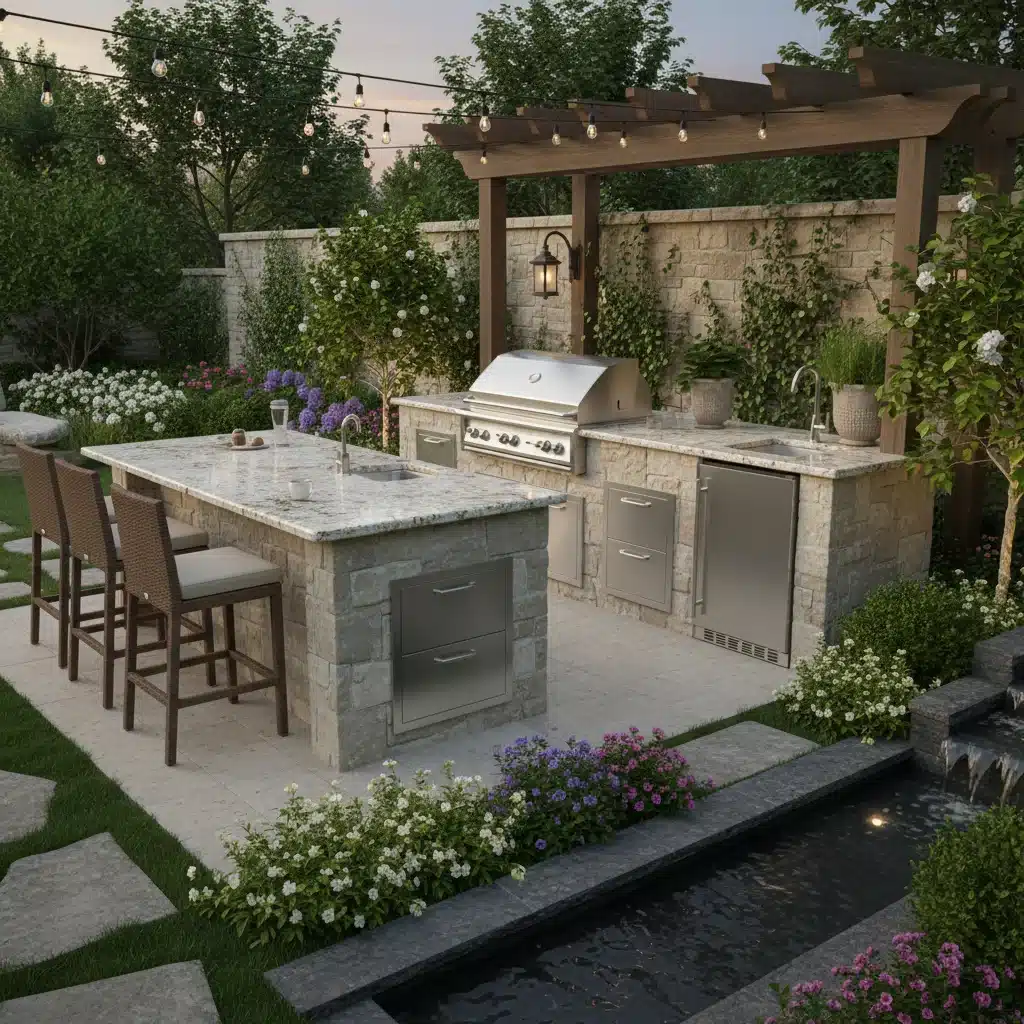
Imagine hosting summer soirées without ever stepping foot inside your main kitchen. An outdoor kitchen is more than just a grill; it’s a fully functional culinary hub designed for alfresco dining and entertaining. This sophisticated addition not only elevates your entertaining capabilities but also significantly enhances your home’s value, appealing to a wide range of buyers who appreciate convenience and luxury.
When planning your gourmet outdoor kitchen, consider the essentials: a high-quality built-in grill, ample counter space for food preparation, a sink with running water, and perhaps even a refrigerator or wine cooler. For an even more luxurious setup, include a pizza oven, a side burner, or a dedicated bar area. The key is to create a seamless flow from prep to plate, making outdoor cooking as enjoyable and efficient as possible.
Key Elements for a High-Value Outdoor Kitchen:
- Built-in Grill: Opt for a professional-grade grill that can handle various cooking styles.
- Durable Countertops: Materials like granite, quartz, or concrete are both aesthetically pleasing and weather-resistant.
- Sink and Plumbing: Essential for food prep and easy cleanup, adding immense functionality.
- Outdoor Refrigerator/Cooler: Keeps drinks and ingredients chilled, reducing trips indoors.
- Storage Solutions: Cabinets and drawers made from marine-grade polymer or stainless steel protect utensils and cookware from the elements.
- Lighting: Task lighting for cooking areas and ambient lighting for dining create a welcoming atmosphere.
- Seating and Dining Area: Integrate a comfortable dining table and chairs, or a bar with stools, to complete the experience.
The strategic placement of your outdoor kitchen is also crucial. Consider proximity to your indoor kitchen for ease of access, but also ensure it doesn’t obstruct views or dominate your backyard. Integrating it with a covered patio or pergola provides protection from sun and rain, extending its usability throughout the year. This level of thoughtful design transforms a simple backyard into an extension of your home’s luxury living.
Design Idea 2: The Cozy Fire Pit Lounge and Entertainment Zone
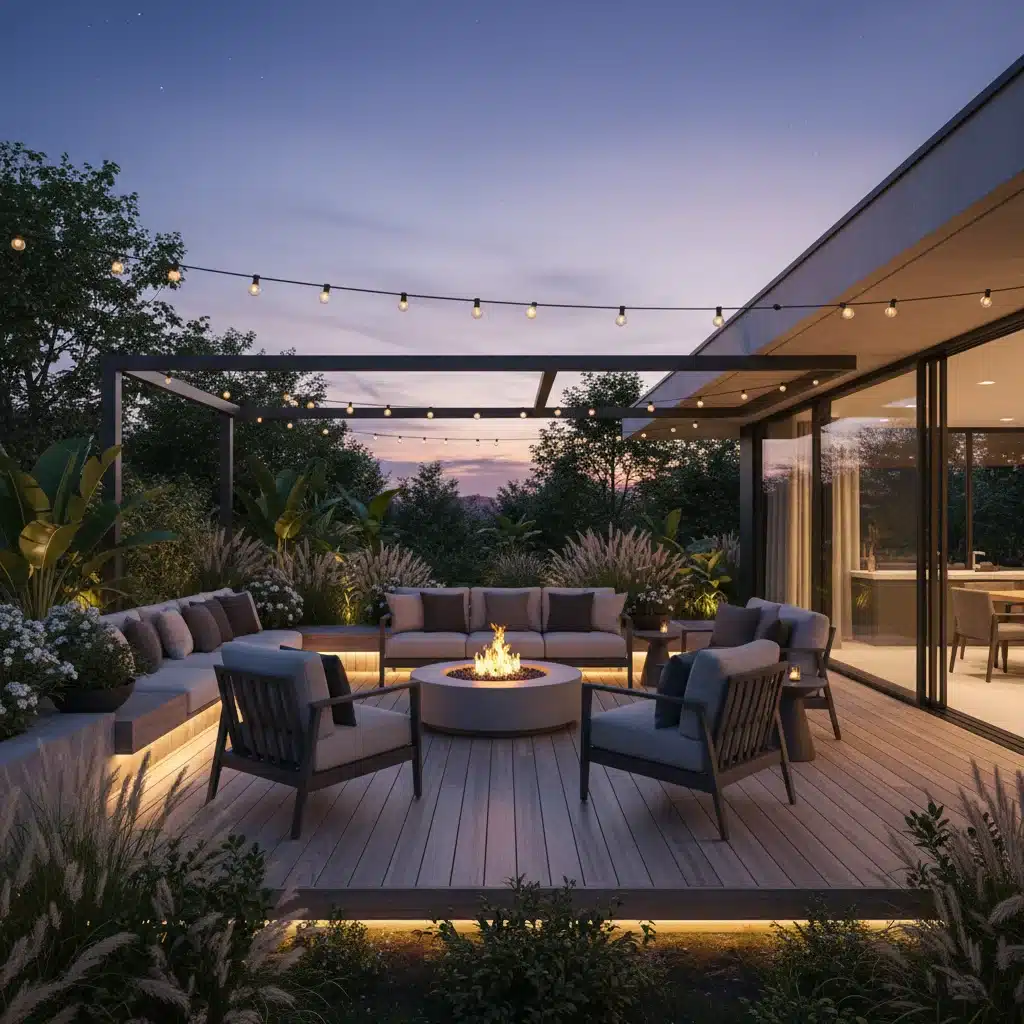
Nothing brings people together quite like the warmth and glow of a fire. A dedicated fire pit lounge creates an inviting focal point for gathering, storytelling, and marshmallow roasting, extending the usability of your outdoor living spaces into cooler evenings and seasons. This simple yet impactful addition can significantly enhance your home’s appeal, offering both comfort and a unique entertainment option.
When designing your fire pit area, safety and comfort are paramount. Choose a location away from flammable structures and overhanging branches. Consider the type of fire pit that best suits your style and needs: a built-in stone or brick structure for a permanent, architectural look, or a portable metal bowl for flexibility. Surrounding it with comfortable, weather-resistant seating – think deep-seated sofas, Adirondack chairs, or custom benches with plush cushions – completes the lounge experience.
Elements for an Irresistible Fire Pit Lounge:
- Fire Pit Type: Gas fire pits offer convenience with instant ignition and no smoke, while wood-burning pits provide a traditional campfire ambiance.
- Comfortable Seating: Invest in high-quality outdoor furniture designed for lounging. Incorporate throw pillows and blankets for extra coziness.
- Ground Cover: A durable and attractive base, such as pavers, gravel, or a stone patio, defines the space and ensures safety.
- Ambient Lighting: String lights, lanterns, or low-voltage landscape lighting can enhance the magical atmosphere without overpowering the fire’s glow.
- Side Tables: Convenient spots for drinks, snacks, or a good book.
- Privacy Solutions: Hedges, pergolas, or screens can create a more intimate and secluded feel.
The allure of a fire pit lounge lies in its ability to create memories and foster connection. It’s a relatively affordable upgrade compared to other extensive renovations, yet it offers a disproportionately high return in terms of lifestyle enhancement and buyer appeal. Imagine crisp autumn evenings spent under the stars, warmed by the fire – this is the lifestyle buyers are increasingly seeking.
Design Idea 3: The Serene Garden Retreat and Wellness Zone
In our fast-paced world, a tranquil escape is more valuable than ever. Transforming a portion of your backyard into a serene garden retreat or wellness zone offers a peaceful sanctuary for relaxation, meditation, or simply enjoying nature. This type of outdoor living space appeals to those prioritizing mental well-being and a connection to the natural world, adding a unique and desirable dimension to your property.
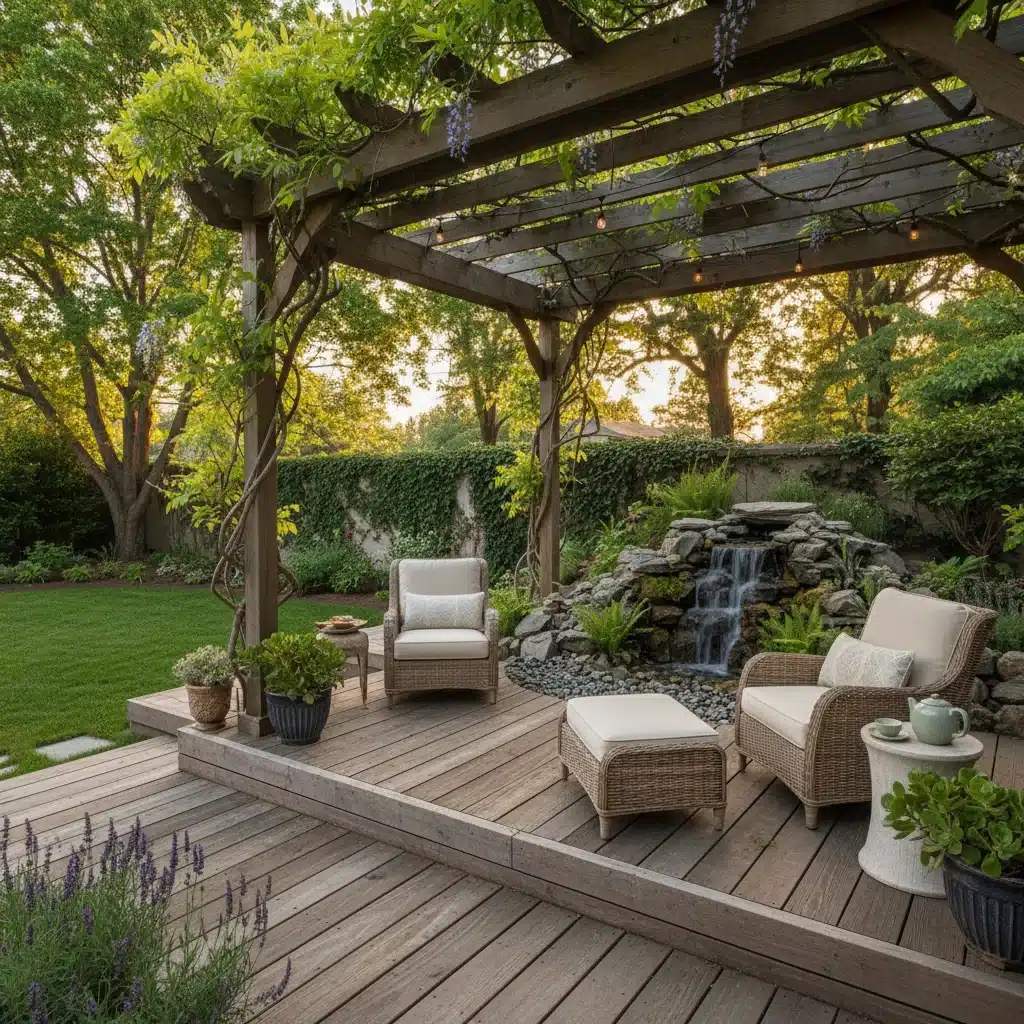
Creating a garden retreat involves thoughtful landscaping, incorporating elements that evoke calm and beauty. Focus on sensory experiences: the gentle sound of water, the fragrance of flowering plants, the soft rustle of leaves. Design pathways that invite exploration, and create secluded nooks for quiet contemplation. This isn’t just about planting flowers; it’s about crafting an immersive experience that promotes peace and rejuvenation.
Components of a Harmonious Garden Retreat:
- Lush Landscaping: Select plants with varying textures, colors, and heights. Consider native plants that thrive in your climate and require less maintenance.
- Water Feature: A small pond, a trickling fountain, or a bubbling rock creates soothing sounds and attracts local wildlife.
- Secluded Seating: A comfortable bench tucked under a tree, a hammock nestled between two posts, or a small gazebo provides a private spot for reflection.
- Sensory Plants: Include fragrant herbs like lavender and rosemary, or plants with interesting textures to engage the senses.
- Pathways: Stone, gravel, or stepping-stone paths guide visitors through the garden and add visual interest.
- Subtle Lighting: Solar-powered path lights or strategically placed spotlights can illuminate features and extend enjoyment into the evening.
- Privacy Elements: Tall hedges, decorative fences, or climbing vines on a trellis can create a sense of enclosure and intimacy.
A well-designed garden retreat offers more than just aesthetic appeal; it provides a tangible benefit for mental and physical health. In an era where stress reduction and mindfulness are highly valued, a dedicated wellness zone can be a significant selling point, making your home stand out in the market and contributing to that impressive 10% value increase.
Design Idea 4: The Versatile Multi-Functional Outdoor Zone
For homeowners with smaller yards or those who desire maximum flexibility, a versatile multi-functional outdoor living space is an ingenious solution. This approach optimizes every inch of your outdoor area, allowing it to adapt to various needs – from a morning yoga spot to an evening dining area, or a children’s play zone to an adult entertainment hub. Its adaptability makes it incredibly appealing to a broad range of buyers, showcasing smart design and maximizing perceived value.
The key to a successful multi-functional zone lies in clever planning and the use of adaptable elements. Think about convertible furniture, modular components, and retractable features that allow the space to transform with ease. Defining different “rooms” within the outdoor area, even if they overlap, helps in creating a sense of purpose and organization.
Strategies for a Dynamic Multi-Functional Outdoor Zone:
- Modular Furniture: Sectional sofas that can be rearranged, stackable chairs, or tables with extendable leaves offer flexibility.
- Defined “Rooms”: Use pergolas, arbors, different paving materials, or low walls to subtly delineate areas for dining, lounging, or activity.
- Retractable Awnings/Pergolas: Provide shade and weather protection when needed, and retract to enjoy open skies.
- Portable Elements: Movable planters, outdoor screens, or fire pits allow for quick reconfigurations.
- Smart Storage: Integrated benches with storage, or weather-resistant chests, keep the space tidy and organized.
- Outdoor Rugs: Define zones and add comfort and style without permanent installation.
- Flexible Lighting: Adjustable string lights, solar lamps, or portable lanterns can change the mood and functionality of the space.
This design philosophy is particularly valuable in urban environments or properties with limited outdoor space. By demonstrating how a compact area can serve multiple purposes, you effectively increase the perceived utility and value of your home. It speaks to a modern lifestyle where efficiency and adaptability are highly prized, contributing significantly to that 10% increase in home value by 2026.
Maximizing Your Investment: Tips for Success
While the design ideas above provide a strong foundation, several overarching principles will help you maximize the return on your outdoor living spaces investment.
Seamless Transition from Indoors to Outdoors
One of the most impactful ways to elevate an outdoor space is to create a seamless transition from the interior of your home. Large sliding glass doors, French doors, or bi-fold doors blur the lines between indoor and outdoor, making both areas feel larger and more connected. Consistency in flooring materials, color palettes, and design aesthetics can further enhance this flow, creating a cohesive and expansive living environment.
Durability and Low Maintenance
When selecting materials and furniture for your outdoor spaces, prioritize durability and low maintenance. Weather-resistant materials like composite decking, marine-grade polymer, stainless steel, and synthetic wicker will withstand the elements and require less upkeep, which is a major selling point for busy homeowners. Buyers are often willing to pay a premium for features that offer convenience and longevity.
Professional Design and Installation
While DIY projects can be rewarding, complex outdoor living spaces – especially those involving plumbing, electrical work, or significant landscaping – benefit greatly from professional design and installation. A skilled landscape architect or designer can help you optimize your space, navigate local zoning laws, and ensure a high-quality finish that stands the test of time and truly adds value. Their expertise can prevent costly mistakes and elevate the overall aesthetic and functionality of your project.
Consider Your Climate and Environment
Design your outdoor space with your local climate in mind. If you live in a sunny region, ample shade solutions (pergolas, umbrellas, awnings) are essential. In areas with colder winters, features like outdoor heaters, fire pits, and weather-resistant furniture will extend the usability of your space. Consider local flora for landscaping to ensure plants thrive and require minimal intervention.
Sustainability and Eco-Friendly Practices
Incorporating sustainable practices can also add value. Features like rainwater harvesting systems, drought-tolerant landscaping, permeable paving, and energy-efficient lighting appeal to environmentally conscious buyers and can reduce utility costs. Highlighting these eco-friendly aspects can further enhance your home’s marketability.
The Future of Home Value: Outdoor Living Spaces in 2026 and Beyond
The trend towards valuing and investing in outdoor living spaces is not a fleeting fad; it’s a fundamental shift in how we perceive and utilize our homes. As technology advances, we may see even more integrated smart home features extending outdoors, from automated lighting and irrigation systems to advanced outdoor entertainment setups. The emphasis on health, wellness, and flexible living will continue to drive demand for well-appointed exterior environments.
By implementing one or more of these design ideas – the gourmet outdoor kitchen, the cozy fire pit lounge, the serene garden retreat, or the versatile multi-functional zone – you are not just renovating; you are investing in a lifestyle. This investment is projected to yield a significant 10% increase in your home’s value by 2026, positioning your property as a highly desirable asset in a competitive market.
Conclusion: Your Backyard, Your Best Investment
Your backyard is more than just a patch of grass; it’s an extension of your home’s potential. By strategically investing in outdoor living spaces, you can transform it into a valuable asset that enhances your daily life and significantly boosts your property’s market value. The four design ideas presented – from the culinary delights of an outdoor kitchen to the tranquil escape of a garden retreat – offer proven pathways to achieving an impressive 10% increase in home value by 2026.
Whether you’re looking to entertain, relax, or simply enjoy the beauty of nature, creating thoughtfully designed outdoor areas is a wise decision for any homeowner. Start planning today, and watch your outdoor dreams become a profitable reality.