Unlocking Wellness: 7 New Self-Care Rituals for American Households in 2026
In an ever-accelerating world, the pursuit of well-being has transcended mere trend to become a fundamental pillar of daily life. As we navigate towards 2026, American households are increasingly adopting sophisticated and holistic approaches to self-care, moving beyond basic practices to embrace innovative rituals that profoundly impact mental, physical, and emotional health. These new self-care rituals are not just fleeting fads; they represent a deeper understanding of human needs in a technologically advanced and often demanding society. They are tailored to integrate seamlessly into modern lifestyles, offering sustainable pathways to improved daily living.
The landscape of self-care is continuously evolving, driven by advancements in technology, deeper scientific understanding of the mind-body connection, and a collective desire for more meaningful engagement with one’s own well-being. This article delves into seven groundbreaking self-care rituals that are gaining significant traction across American households, providing a comprehensive guide to understanding, implementing, and benefiting from these transformative practices. From personalized wellness tech to community-focused initiatives, these rituals are designed to empower individuals to take proactive control of their health and happiness.
Embracing these new self-care rituals means more than just dedicating an hour to meditation or a quick workout. It involves a conscious re-evaluation of daily habits, a willingness to experiment with novel techniques, and an open mind to the profound benefits that consistent, intentional self-care can bring. As we explore each ritual, you’ll discover how these practices are not only enhancing individual lives but also fostering stronger, more resilient communities across the nation.
The Dawn of Personalized Wellness Tech Integration
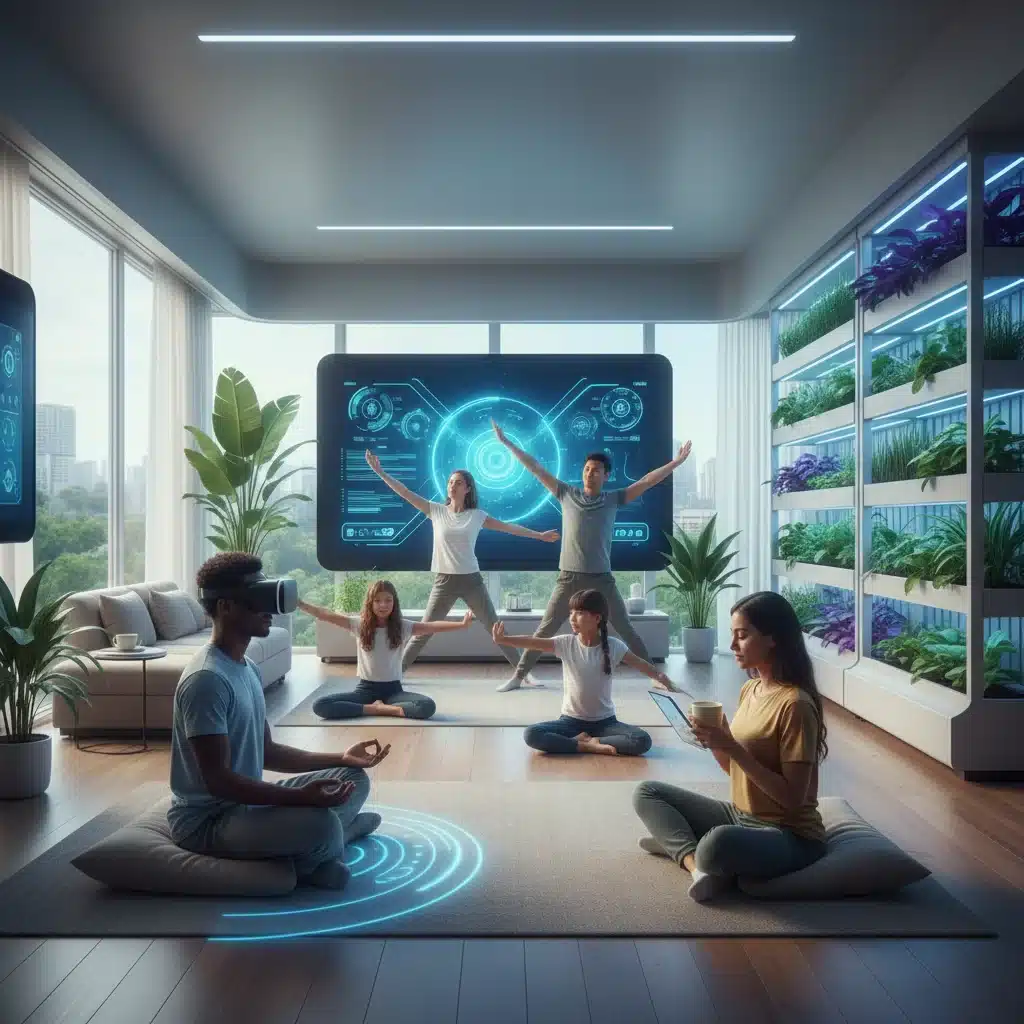
The first and perhaps most pervasive of the new self-care rituals is the deep integration of personalized wellness technology into daily routines. Gone are the days when fitness trackers were the pinnacle of health tech. By 2026, American households are utilizing advanced wearables, smart home devices, and AI-powered apps that offer hyper-personalized insights into their health metrics, sleep patterns, stress levels, and even nutritional needs. These technologies don’t just collect data; they analyze it to provide actionable recommendations, tailored exercise plans, mindfulness prompts, and dietary adjustments that evolve with the individual’s progress and changing lifestyle.
Imagine a smart mirror that analyzes your skin’s hydration and recommends a personalized skincare routine, or a smart mattress that adjusts its firmness and temperature based on your sleep stage, waking you gently during a light sleep cycle. AI-driven mental health apps are becoming more sophisticated, offering real-time emotional support, cognitive behavioral therapy exercises, and guided meditations customized to your current mood and stress indicators. This level of personalization moves self-care from a one-size-fits-all approach to a deeply individual journey, making it more effective and sustainable.
The benefits extend beyond individual metrics. Families are using integrated wellness dashboards to monitor collective health goals, encouraging healthy competition and mutual support. For example, a family might track their collective steps, water intake, or even mindfulness minutes, fostering a shared commitment to well-being. This tech integration is transforming passive data collection into active, engaging self-care practices, empowering individuals to make informed decisions about their health with unprecedented precision.
However, with great power comes great responsibility. The ethical implications of data privacy and the potential for over-reliance on technology are important considerations. Households are learning to strike a balance, using technology as a tool to enhance self-awareness rather than dictate every aspect of their lives. The focus remains on empowering individuals to make conscious choices, with technology serving as a supportive guide.
Mindful Movement & Somatic Exploration
Beyond traditional exercise, mindful movement and somatic exploration are emerging as crucial new self-care rituals. This isn’t just about physical activity; it’s about reconnecting with the body’s innate wisdom, understanding its signals, and releasing stored tension and trauma. Practices like Somatic Experiencing, Feldenkrais Method, and even specialized forms of intuitive dance are gaining popularity. These methods emphasize gentle, intentional movements that improve body awareness, flexibility, and emotional regulation.
Unlike high-intensity interval training (HIIT) or heavy weightlifting, which can sometimes push the body to its limits, mindful movement encourages listening to the body’s subtle cues. It’s about finding pleasure in movement, exploring different ranges of motion, and releasing chronic tension patterns that often accumulate from sedentary lifestyles or emotional stress. This approach recognizes that physical pain often has emotional roots, and by addressing both, individuals can achieve a more profound sense of well-being.
Yoga and Pilates continue to be popular, but the emphasis is shifting towards more restorative and therapeutic forms. Aerial yoga, for instance, offers decompression and unique perspectives, while specialized fascia release techniques are becoming commonplace for improving mobility and reducing pain. Workshops and online courses dedicated to somatic practices are flourishing, allowing individuals to explore these rituals from the comfort of their homes or in dedicated studios.
The integration of breathwork with movement is also a key component. Conscious breathing techniques, such as pranayama or Wim Hof method variations, are paired with gentle stretches or sustained poses to enhance oxygenation, calm the nervous system, and deepen the mind-body connection. This holistic approach to physical activity ensures that self-care addresses both the physical and energetic aspects of well-being, leading to greater vitality and emotional resilience.
Adaptogenic & Nootropic Nurturing
The kitchen is becoming a powerful hub for self-care, with adaptogenic and nootropic ingredients taking center stage. These natural compounds, derived from plants and fungi, are at the core of another significant trend in new self-care rituals. Adaptogens help the body adapt to stress, while nootropics are known to enhance cognitive function, memory, and focus. American households are incorporating these into their daily diets through specialized beverages, supplements, and functional foods.
Morning routines now often include adaptogenic lattes featuring ingredients like reishi for stress reduction, lion’s mane for cognitive clarity, or ashwagandha for calming anxiety. Smoothies are supercharged with cordyceps for energy and endurance, or rhodiola for combating fatigue. Beyond drinks, adaptogenic ingredients are finding their way into snacks, baked goods, and even savory dishes, making their consumption a delicious and effortless part of daily life.
The market for high-quality, ethically sourced adaptogens and nootropics is booming. Consumers are becoming more educated about the specific benefits of each ingredient and are seeking out products that are transparent about their sourcing and purity. This ritual is not just about popping a pill; it’s about understanding the synergy between nutrition and mental well-being, and intentionally fueling the body and mind for optimal performance and resilience.
This trend also highlights a broader shift towards preventative health and natural remedies. Instead of waiting for symptoms to appear, individuals are proactively supporting their body’s natural defenses and cognitive functions. The focus is on sustained energy, improved mood, and enhanced mental acuity without the jitters or crashes associated with traditional stimulants. This nutritional self-care is a powerful tool for maintaining balance in a demanding world.
Digital Detox Zones & Mindful Tech Use
In a world saturated with screens, establishing digital detox zones and practicing mindful tech use has become a revolutionary new self-care ritual. Recognizing the detrimental effects of constant connectivity on mental health, sleep, and relationships, American households are intentionally carving out spaces and times for disconnection. This goes beyond simply putting away your phone; it involves creating environments and routines that promote genuine presence and engagement with the non-digital world.
This ritual might involve designated ‘no-phone’ zones in the home, such as the bedroom or dining area, or specific times each day when all screens are turned off. Families are implementing ‘tech-free’ evenings or weekends, dedicating this time to board games, outdoor activities, creative pursuits, or meaningful conversations. The goal is to reclaim attention spans, reduce digital fatigue, and foster deeper connections with loved ones and oneself.
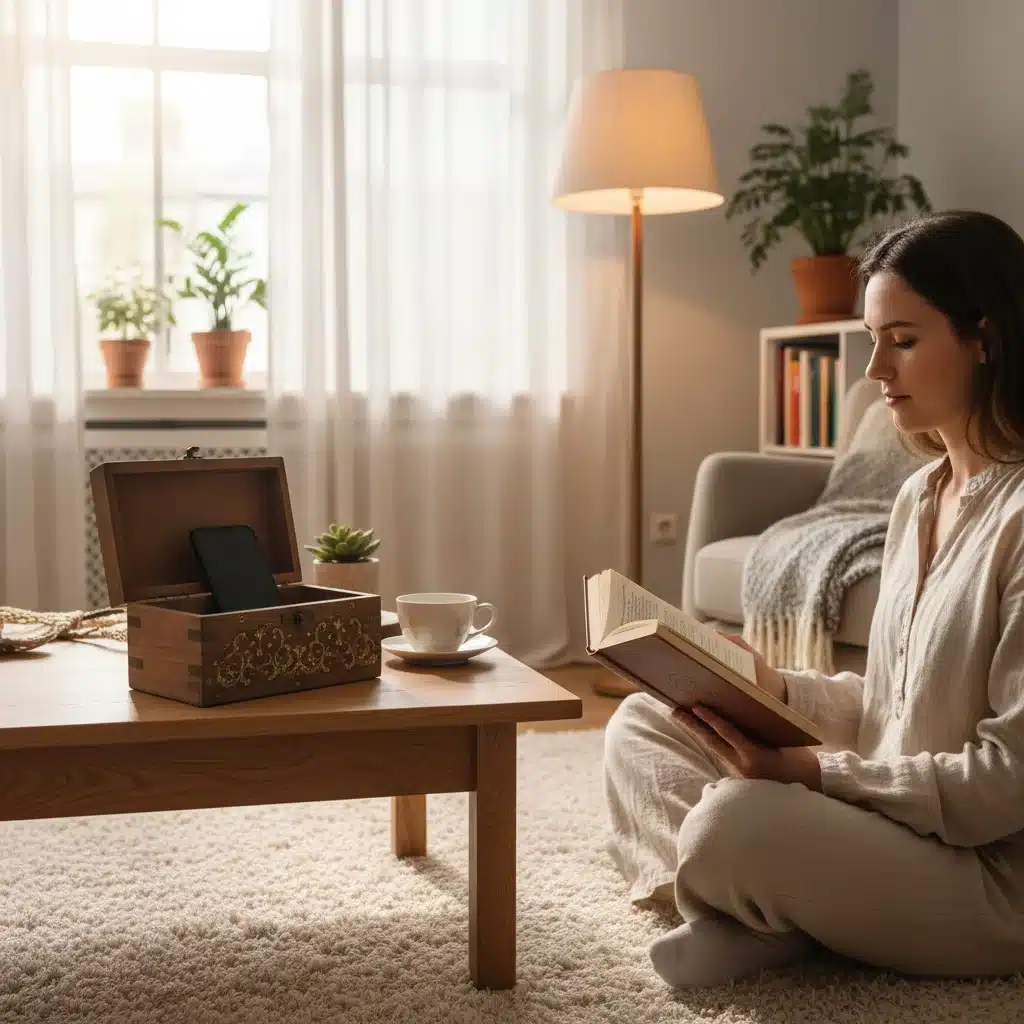
Mindful tech use also involves being more intentional about how and why we engage with digital devices. This could mean turning off notifications, curating social media feeds to be more positive and informative, or using apps that track screen time to become more aware of usage patterns. The aim is not to demonize technology, but to leverage it as a tool rather than allowing it to control our attention and energy.
The benefits of this ritual are profound: improved sleep quality, reduced anxiety and stress, enhanced focus and creativity, and stronger interpersonal relationships. By consciously disengaging from the digital realm, individuals create space for introspection, rest, and engagement with the real world, leading to a more balanced and fulfilling life. It’s a powerful act of self-preservation in an always-on culture.
Nature Immersion & Biophilic Design
The fifth of the new self-care rituals highlights a renewed appreciation for the healing power of nature. Nature immersion, often referred to as ‘forest bathing’ or ‘ecotherapy,’ involves spending intentional time in natural environments to reduce stress, improve mood, and boost cognitive function. This ritual is becoming increasingly popular as urban dwellers seek respite from the concrete jungle.
Beyond dedicated trips to national parks or hiking trails, American households are integrating nature into their daily lives through biophilic design principles. This involves bringing elements of the natural world indoors to create more calming and restorative living spaces. Think indoor vertical gardens, abundant houseplants, natural light optimization, water features, and materials like wood and stone. The goal is to blur the lines between indoor and outdoor, fostering a constant connection to nature.
Even small acts of nature immersion, like spending 15 minutes in a backyard garden, taking a walk in a local park, or simply observing birds from a window, are recognized for their therapeutic effects. Studies consistently show that exposure to nature can lower blood pressure, reduce cortisol levels, and enhance feelings of well-being. This ritual is a powerful antidote to the stresses of modern life, offering a sense of peace and grounding.
Community gardens are also experiencing a resurgence, providing opportunities for individuals to connect with nature, grow their own food, and build community bonds. This blend of individual practice and communal engagement reinforces the holistic benefits of nature immersion, making it a cornerstone of contemporary self-care. It’s a reminder that sometimes, the most effective self-care involves simply stepping outside and breathing deeply.
Sleep Optimization & Circadian Rhythm Alignment
While sleep has always been crucial, its optimization is now being elevated to a sophisticated new self-care ritual. Beyond just getting enough hours, the focus is on aligning sleep patterns with the body’s natural circadian rhythm and creating an optimal sleep environment. American households are investing in smart sleep technologies, light therapy devices, and personalized sleep coaching to achieve restorative rest.
This ritual involves understanding individual sleep chronotypes (are you a lark or an owl?), establishing consistent sleep and wake times, and creating a pre-sleep routine that signals to the body it’s time to wind down. This might include dimming lights, avoiding screens, practicing gentle stretching or meditation, and using aromatherapy. The bedroom is being transformed into a sanctuary, free from distractions and optimized for darkness, temperature, and quiet.
Light therapy, particularly exposure to natural light in the morning and avoiding blue light in the evening, is key to regulating melatonin production and maintaining a healthy circadian rhythm. Sleep trackers provide detailed insights into sleep stages, disturbances, and quality, allowing individuals to make informed adjustments to their habits and environment. Some even offer personalized soundscapes or guided meditations to aid in falling asleep faster and deeper.
The profound impact of quality sleep on mood, cognitive function, immune health, and overall longevity cannot be overstated. By prioritizing sleep optimization, individuals are not just resting; they are actively investing in their long-term health and performance. This ritual underscores the understanding that true self-care begins with honoring the body’s fundamental need for restorative rest.
Community Wellness Circles & Shared Practices
Finally, moving beyond individual pursuits, the concept of community wellness circles and shared practices is emerging as a powerful new self-care ritual. Recognizing that human connection and social support are vital for well-being, American households are actively seeking out and forming groups focused on collective self-care. These circles provide spaces for shared experiences, mutual encouragement, and a sense of belonging.
These might take the form of neighborhood walking clubs, book clubs focused on personal growth, communal cooking groups centered around healthy eating, or local meditation and breathwork gatherings. The emphasis is on creating supportive environments where individuals can openly share their wellness journeys, learn from each other, and practice self-care together. This counters the isolation that can sometimes accompany modern life and reinforces the idea that well-being is a collective endeavor.
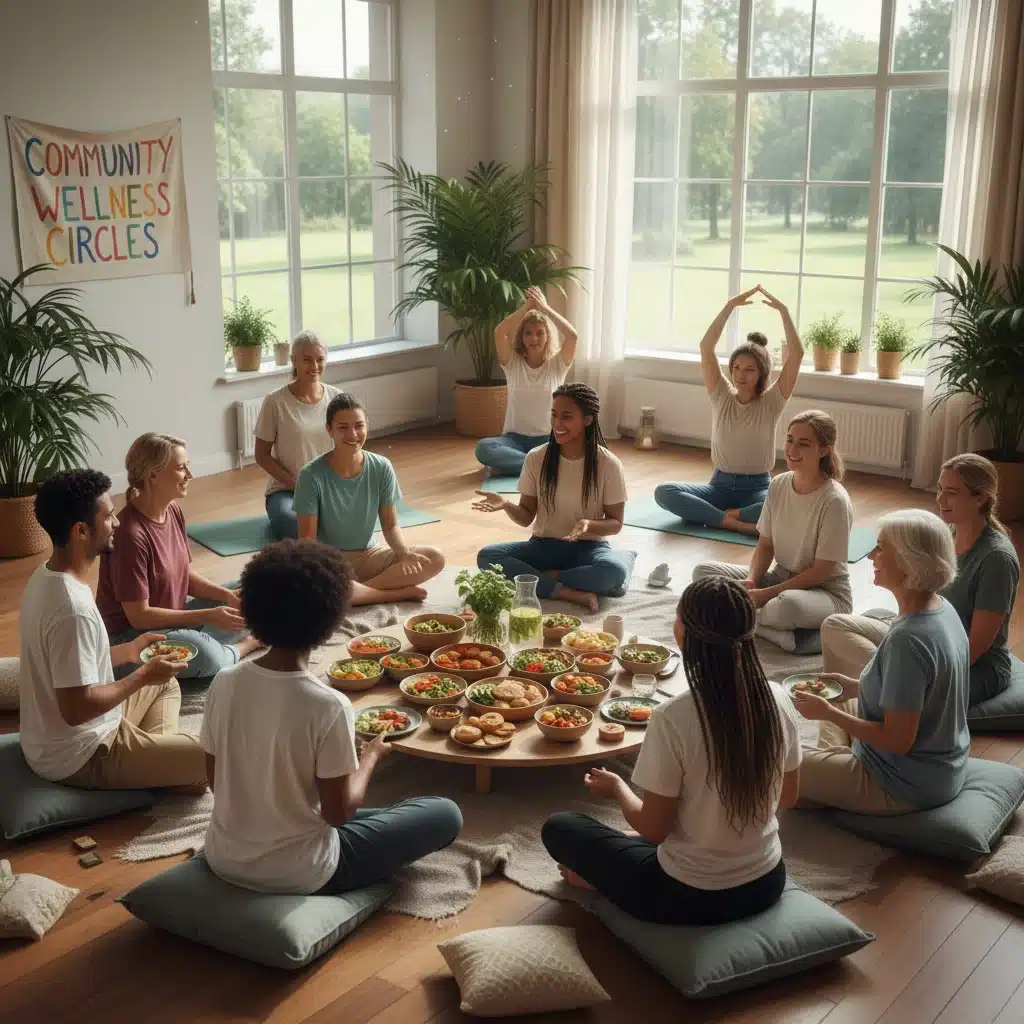
The rise of online platforms also facilitates these connections, allowing individuals to join virtual wellness circles or participate in shared challenges from anywhere. However, there’s a growing appreciation for in-person gatherings, which offer the added benefits of physical presence and direct human interaction, fostering deeper empathy and connection.
These community wellness circles are not just about shared activities; they are about building resilience, fostering a sense of purpose, and providing a safety net of support. They acknowledge that while personal responsibility for self-care is important, a supportive community can amplify its effects, making the journey towards well-being more joyful and sustainable. This ritual highlights the interconnectedness of individual and collective health, creating a ripple effect of positive change.
Integrating New Self-Care Rituals into Your Life
Embracing these new self-care rituals doesn’t mean overhauling your entire life overnight. The key is gradual integration and mindful experimentation. Start by identifying one or two rituals that resonate most with your current needs and lifestyle. Perhaps it’s incorporating a daily adaptogenic drink, setting up a digital detox hour before bed, or finding a local community wellness group.
Consistency is more important than intensity. Even small, consistent efforts can lead to significant long-term benefits. Be patient with yourself as you explore these practices, and don’t be afraid to adapt them to fit your unique circumstances. The beauty of these evolving self-care trends is their flexibility and responsiveness to individual needs.
Regularly check in with yourself to assess how these rituals are impacting your well-being. Are you feeling more energized, less stressed, more focused, or more connected? Use this feedback to fine-tune your approach and make these practices truly your own. Remember, self-care is a journey, not a destination, and these new self-care rituals offer exciting pathways to a more vibrant and fulfilling life in 2026 and beyond.
Conclusion
As we move deeper into the 21st century, the emphasis on holistic well-being continues to grow, driving the evolution of self-care practices. The seven new self-care rituals discussed—Personalized Wellness Tech Integration, Mindful Movement & Somatic Exploration, Adaptogenic & Nootropic Nurturing, Digital Detox Zones & Mindful Tech Use, Nature Immersion & Biophilic Design, Sleep Optimization & Circadian Rhythm Alignment, and Community Wellness Circles & Shared Practices—represent a comprehensive and forward-thinking approach to nurturing oneself.
These rituals reflect a collective shift towards proactive health management, deeper self-awareness, and a recognition of the interconnectedness of mind, body, and community. By adopting these innovative practices, American households in 2026 are not just coping with the demands of modern life; they are thriving, building resilience, and fostering a profound sense of peace and vitality. The future of well-being is personal, intentional, and deeply integrated into the fabric of daily living, promising a healthier, happier existence for all.