Fall Foliage 2026: The Optimal 3-Week Window for Peak Viewing Across National Parks (TIME-SENSITIVE)
Fall Foliage 2026: The Optimal 3-Week Window for Peak Viewing Across National Parks (TIME-SENSITIVE)
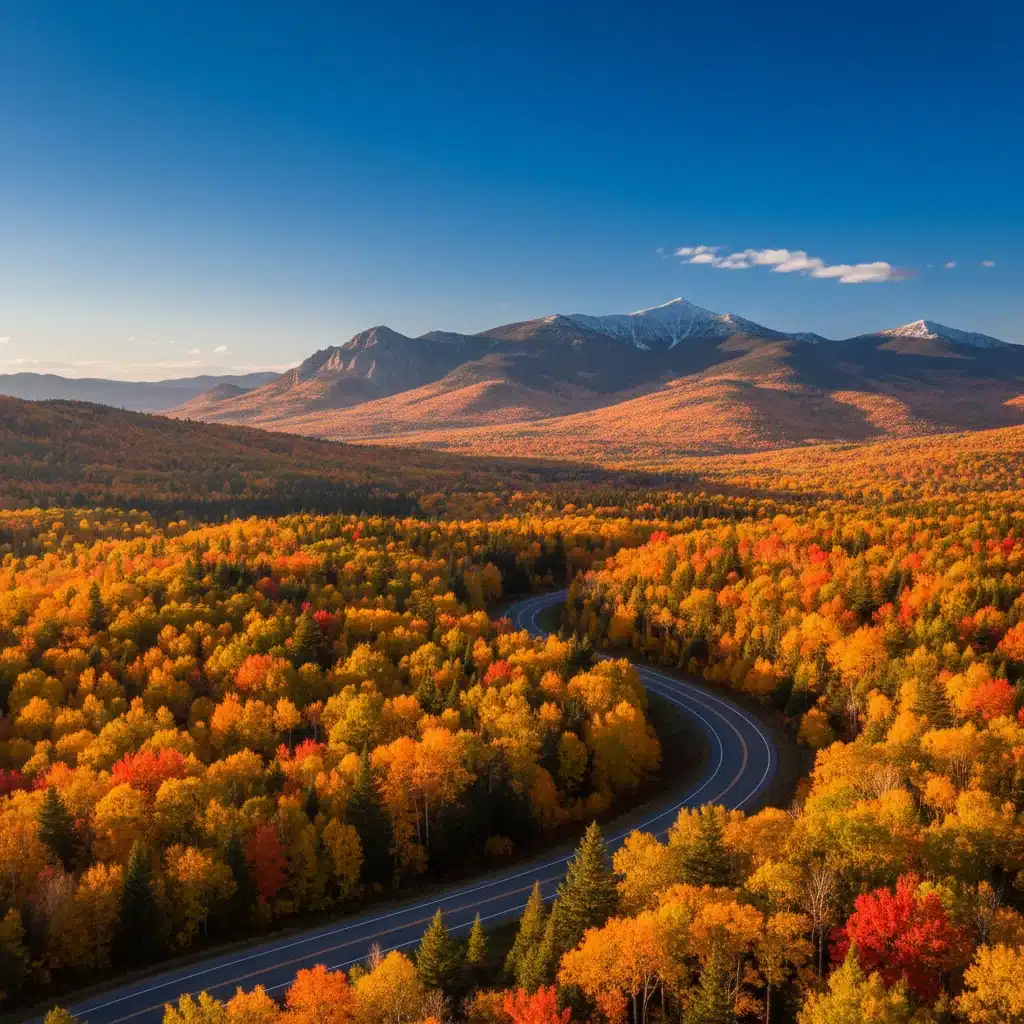
The ephemeral beauty of fall foliage is one of nature’s most spectacular displays, transforming landscapes into a breathtaking palette of reds, oranges, and golds. For avid travelers and nature enthusiasts, timing is everything when it comes to witnessing this annual phenomenon. Planning a trip to experience peak Fall Foliage 2026 requires foresight, research, and a keen understanding of the environmental factors that dictate leaf color transformation. This comprehensive guide will delve into the science behind fall colors, provide an optimal 3-week window for peak viewing across North American national parks, and offer invaluable tips for planning an unforgettable autumn adventure.
Understanding the Science Behind Peak Fall Foliage 2026
Before we pinpoint the best times for Fall Foliage 2026, it’s crucial to understand why leaves change color. The vibrant hues we associate with autumn are not new pigments developing in the fall; rather, they are colors that have been present in the leaves all along, masked by the dominant green of chlorophyll. During the growing season, chlorophyll, essential for photosynthesis, is constantly produced and broken down. Its abundance gives leaves their green appearance.
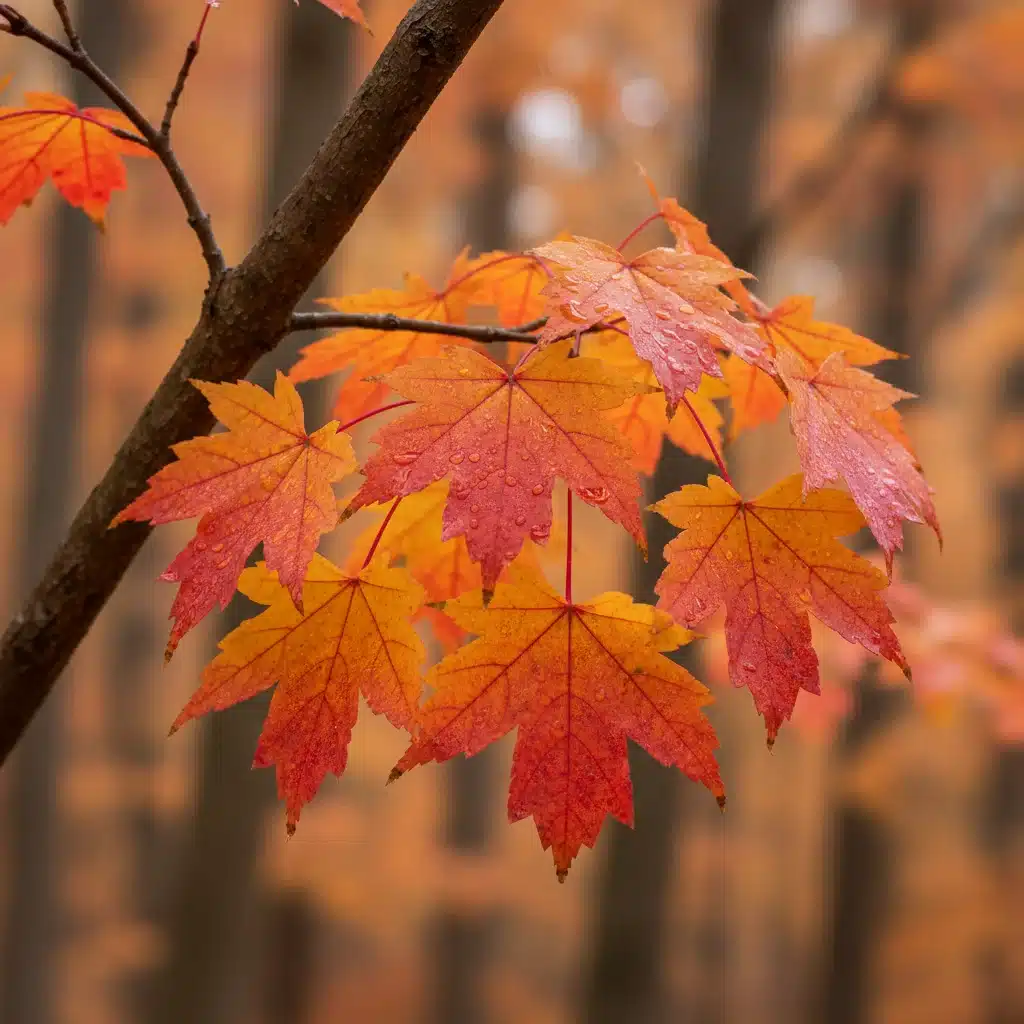
As autumn approaches, several environmental cues trigger a tree’s preparation for winter dormancy. The most significant factors are decreasing daylight hours (photoperiod) and cooler temperatures. These changes signal to the tree that it’s time to stop producing chlorophyll. As chlorophyll breaks down and is no longer replenished, the green color fades, revealing the underlying pigments: carotenoids (responsible for yellows and oranges) and xanthophylls (another yellow pigment). Anthocyanins, which produce reds and purples, are different. Unlike carotenoids, anthocyanins are not present in the leaf throughout the summer. They are produced in the fall, in response to bright sunlight and cool (but not freezing) temperatures, particularly after a period of dry weather.
The intensity and duration of Fall Foliage 2026 will largely depend on the specific weather conditions leading up to and during the autumn season. A warm, wet spring, followed by a relatively dry summer, and then a succession of warm, sunny days and cool, crisp (but not freezing) nights in early autumn, are ideal for producing the most spectacular and prolonged color displays. Conversely, a severe drought, early hard frosts, or prolonged cloudy, rainy weather can diminish the vibrancy and shorten the peak window.
The Optimal 3-Week Window for Fall Foliage 2026: A General Overview
Predicting the exact peak of Fall Foliage 2026 months in advance is challenging due to the variability of weather patterns. However, based on historical data and ecological patterns, we can identify a general 3-week window that typically encompasses the peak color across a broad range of North American national parks. This window generally spans from the last week of September through the third week of October. Within this period, different regions and elevations will hit their peak at slightly different times.
Early fall (late September to early October) often sees the highest elevations and northernmost regions begin their transformation. As October progresses, the color wave moves southward and to lower elevations. The third week of October often marks the peak for many central and southern Appalachian parks, as well as some parts of the Ozarks. Understanding this general progression is key to planning your Fall Foliage 2026 adventure.
Key Factors Influencing Peak Timing for Fall Foliage 2026:
- Latitude: Generally, the further north you go, the earlier the leaves change.
- Elevation: Higher elevations experience cooler temperatures earlier, leading to earlier color changes.
- Tree Species: Different tree species change color at different rates. Maples (reds, oranges), Oaks (russets, browns), Birches (yellows), and Aspens (golden yellows) each have their own timing.
- Weather Patterns: As discussed, temperature, sunlight, and moisture levels are critical.
National Parks for Unforgettable Fall Foliage 2026 Experiences
North America boasts an incredible array of national parks that become masterpieces of color in the fall. Here are some of the top contenders for experiencing peak Fall Foliage 2026, along with their typical peak windows:
1. Great Smoky Mountains National Park (Tennessee/North Carolina)
The Smokies are renowned for their incredible biodiversity, which translates into a stunning variety of fall colors. With over 100 species of native trees, the park offers a diverse tapestry of reds, oranges, yellows, and purples. The higher elevations (above 4,000 feet) typically peak from late September to mid-October, while the mid-to-lower elevations peak from mid-October to early November. For Fall Foliage 2026, targeting the second and third weeks of October should offer excellent viewing opportunities in the mid-elevations, which are easily accessible by car.
Why it’s a must-see: Diverse tree species, dramatic mountain vistas, numerous scenic drives like Newfound Gap Road and Cades Cove Loop Road, and abundant hiking trails.
2. Acadia National Park (Maine)
As one of the easternmost national parks, Acadia experiences an early and vibrant fall. The combination of deciduous trees and evergreens against the backdrop of the rugged coastline and Atlantic Ocean creates a unique visual spectacle. Peak colors in Acadia typically occur from early to mid-October. The cool maritime air and often sunny days make for brilliant reds and oranges.
Why it’s a must-see: Ocean views contrasted with fiery leaves, scenic Park Loop Road, Cadillac Mountain (first place to see the sunrise in the US during certain times of year), and charming coastal towns.
3. Shenandoah National Park (Virginia)
Stretching along the Blue Ridge Mountains, Shenandoah National Park is famous for Skyline Drive, a 105-mile scenic byway offering continuous overlooks of the Shenandoah Valley ablaze with color. Peak Fall Foliage 2026 in Shenandoah is usually from mid-October to late October, with higher elevations changing earlier. The park’s oak, maple, and hickory trees contribute to a rich tapestry of reds, oranges, and deep yellows.
Why it’s a must-see: Iconic Skyline Drive, numerous overlooks, extensive hiking trails including sections of the Appalachian Trail, and abundant wildlife viewing opportunities.
4. Rocky Mountain National Park (Colorado)
While the Eastern parks are known for their reds and oranges, the Western parks, particularly in the Rockies, are famous for their golden aspens. The brilliant yellow of aspen groves against the dark green of conifers and towering granite peaks is a sight to behold. Peak aspen season in Rocky Mountain National Park typically occurs from mid-September to early October, with the highest elevations peaking first.
Why it’s a must-see: Golden aspens contrasting with majestic mountains, Trail Ridge Road (highest continuous paved road in North America), abundant wildlife like elk (especially during their rut in fall), and crisp mountain air.
5. Zion National Park (Utah)
Often overlooked for fall colors, Zion offers a unique desert autumn experience. Cottonwoods, maples, and oaks along the Virgin River and within the canyons turn brilliant shades of yellow, orange, and red, creating a stunning contrast with the towering red sandstone cliffs. Peak color in Zion typically occurs from late October to mid-November, making it a great option for those seeking later Fall Foliage 2026 viewing.
Why it’s a must-see: Unique desert landscape with vibrant fall colors, iconic hikes like Angels Landing and The Narrows (weather permitting), and fewer crowds than summer.
6. Cuyahoga Valley National Park (Ohio)
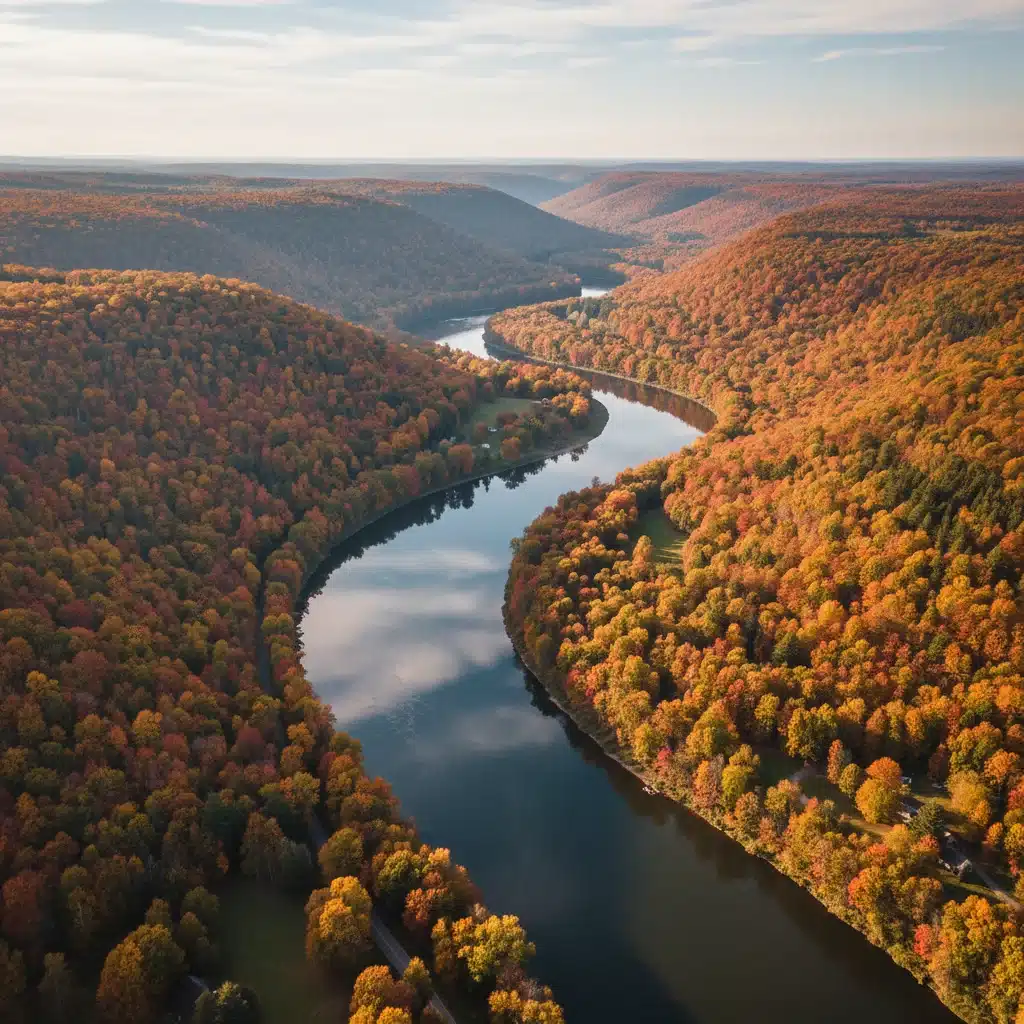
Nestled between Cleveland and Akron, this park is easily accessible and offers a beautiful display of fall colors, particularly along the Cuyahoga River. Maple, oak, and hickory trees create a rich blend of reds, oranges, and yellows. Peak colors usually occur from mid-October to late October.
Why it’s a must-see: Accessible urban park, scenic train rides on the Cuyahoga Valley Scenic Railroad, Brandywine Falls, and diverse hiking and biking trails.
7. Glacier National Park (Montana)
While known for its summer beauty, Glacier National Park in the fall offers a breathtaking display of golden larches (a deciduous conifer) mixed with aspens and cottonwoods, all set against the dramatic backdrop of snow-capped peaks. The season is short, with peak colors typically from late September to early October, before winter truly sets in.
Why it’s a must-see: Unique golden larch trees, stunning mountain scenery, Going-to-the-Sun Road (partially open in fall), and fewer crowds than peak summer.
Planning Your Fall Foliage 2026 Trip: Tips for Success
Successfully navigating a Fall Foliage 2026 trip requires careful planning, especially given the time-sensitive nature of peak colors. Here are essential tips to maximize your experience:
1. Monitor Foliage Reports
As Fall Foliage 2026 approaches, numerous state tourism boards, national park websites, and private leaf-peeping forecast sites will begin publishing weekly foliage reports. These reports are invaluable for fine-tuning your travel dates and choosing specific areas within a park that are experiencing peak color. Start checking these reports a few weeks before your planned travel window.
2. Book Accommodations and Activities Early
Fall is a hugely popular time for national parks, and accommodations, especially within or very near the parks, book up quickly. If you plan to visit during the optimal 3-week window for Fall Foliage 2026, make your reservations for lodging, campsites, and any popular tours or activities (like scenic train rides) as far in advance as possible – ideally 6-12 months out for prime spots. Last-minute bookings during peak season are often difficult or impossible.
3. Be Flexible with Your Dates (If Possible)
While we provide an optimal 3-week window, nature doesn’t always adhere to schedules. If your schedule allows for some flexibility, consider having a few alternative dates or even backup locations. This adaptability can be a lifesaver if an unexpected weather event (like an early frost or prolonged rain) shifts the peak color period.
4. Plan Your Routes and Drives
Scenic drives are a cornerstone of any fall foliage trip. Research the best scenic byways and roads within your chosen national park or region. Be prepared for potential traffic, especially on weekends during peak Fall Foliage 2026. Consider visiting popular spots early in the morning or later in the afternoon to avoid the largest crowds.
5. Pack Appropriately
Autumn weather can be unpredictable, especially in mountainous regions. Pack layers, including warm jackets, hats, and gloves, as temperatures can drop significantly, particularly at higher elevations or after sunset. Comfortable walking shoes or hiking boots are a must for exploring trails. Don’t forget rain gear, just in case.
6. Embrace Hiking and Walking
While scenic drives offer fantastic views, some of the most immersive Fall Foliage 2026 experiences come from getting out of your car and onto the trails. Even short walks can lead you to hidden groves, waterfalls, or overlooks that are inaccessible by vehicle. Check park websites for trail conditions and difficulty levels.
7. Photography Tips for Capturing Fall Foliage 2026
- Golden Hour: Shoot during sunrise and sunset for the softest, most magical light that enhances the colors.
- Overcast Days: Don’t dismiss cloudy days! Overcast conditions provide soft, diffused light that can make colors pop without harsh shadows.
- Reflections: Look for opportunities to capture reflections of colorful trees in lakes, rivers, or even puddles.
- Details: Don’t just focus on grand landscapes. Capture close-ups of individual leaves, bark textures, or unique patterns.
- Contrast: Use elements like evergreens, rocks, or water to create contrast with the vibrant deciduous leaves.
8. Respect Nature and Leave No Trace
Enjoy the beauty of Fall Foliage 2026 responsibly. Stay on marked trails, do not pick leaves or disturb wildlife, and pack out everything you pack in. Preserve the natural beauty for future visitors.
Beyond National Parks: Other Fall Foliage 2026 Destinations
While national parks offer unparalleled beauty, many other regions are also spectacular for Fall Foliage 2026. Consider these additional destinations:
- New England: The entire region, particularly Vermont, New Hampshire, and Massachusetts, is world-renowned for its autumn displays. Scenic routes like the Kancamagus Highway are legendary.
- Blue Ridge Parkway (North Carolina/Virginia): A stunning alternative or complement to Shenandoah, offering hundreds of miles of scenic overlooks.
- Upper Peninsula of Michigan: Known for its vast forests and rugged coastline along Lake Superior, offering vibrant colors, especially maples and birches.
- Adirondack Mountains (New York): A vast wilderness area with stunning lakes, mountains, and extensive fall colors.
- Ozark Mountains (Arkansas/Missouri): A hidden gem for fall foliage, with a later peak than many northern areas, offering beautiful oak and hickory colors.
The Impact of Climate Change on Fall Foliage 2026 and Beyond
It’s important to acknowledge that climate change is impacting the timing and intensity of fall foliage. Warmer temperatures can delay the onset of fall colors, shorten their duration, and sometimes even diminish their vibrancy. A prolonged warm spell in early autumn can prevent the production of anthocyanins, leading to less brilliant reds and purples. While we can predict general trends for Fall Foliage 2026, these larger climatic shifts are a factor to consider in long-term planning.
Scientists are actively studying these effects, and while the beauty of autumn remains, understanding these changes can help us appreciate the delicate balance of nature and the importance of conservation efforts. For travelers, this means staying even more vigilant with current foliage reports, as traditional peak times might shift slightly from year to year.
Conclusion: Embrace the Beauty of Fall Foliage 2026
The quest for peak Fall Foliage 2026 is more than just a trip; it’s an annual pilgrimage for many, a chance to reconnect with nature’s profound artistry. By understanding the science, identifying the optimal 3-week window (generally late September to third week of October), and meticulously planning your visit to North America’s breathtaking national parks, you are well-equipped to experience an autumn adventure that will leave an indelible mark on your memory.
Whether you choose the fiery maples of the East, the golden aspens of the West, or the unique desert hues, remember that flexibility, early booking, and a spirit of adventure are your best companions. Get ready to witness the unparalleled spectacle of nature’s grand finale before winter’s embrace. Happy leaf peeping!