Sustainable Living Made Easy: 6 Eco-Friendly Product Discoveries for Your Home in 2026
The journey towards a more sustainable lifestyle is no longer a niche pursuit but a global imperative. As we step into 2026, the market for eco-conscious home products is flourishing, offering innovative, stylish, and effective solutions for every corner of your living space. Embracing sustainable living doesn’t mean sacrificing convenience or aesthetics; on the contrary, it often leads to a more mindful, healthier, and ultimately more beautiful home. This year, we’ve scoured the landscape of green innovations to bring you six groundbreaking product discoveries that are set to redefine how we approach eco-friendly living. These selections are not just about reducing waste; they’re about enhancing your daily life, promoting well-being, and contributing positively to our planet’s future. From the kitchen to the bathroom, and even your cleaning routine, prepare to be inspired by products that make going green genuinely easy and enjoyable.
Our commitment to the environment extends beyond mere trends; it’s about making conscious choices that have a lasting impact. The products highlighted here are chosen for their efficacy, durability, ethical sourcing, and minimal environmental footprint. They represent the forefront of sustainable design and technology, offering practical alternatives to conventional items that often contribute to pollution and resource depletion. By integrating these eco-conscious home products into your daily routine, you’re not just making a purchase; you’re investing in a healthier home and a healthier planet. Join us as we explore these exciting discoveries and embark on a more sustainable future, one thoughtfully chosen product at a time.
The Rise of Eco-Conscious Home Products: A Global Movement
The global shift towards sustainability has accelerated significantly in recent years, driven by increasing awareness of climate change, plastic pollution, and resource depletion. Consumers are no longer passive buyers; they are actively seeking brands and products that align with their values. This demand has fueled an explosion in the development of eco-conscious home products, transforming industries from cleaning supplies to home decor. What was once considered a niche market for environmental enthusiasts has now entered the mainstream, making sustainable choices more accessible and affordable than ever before.
Governments and organizations worldwide are also playing a crucial role, implementing policies and initiatives that encourage sustainable production and consumption. This creates a fertile ground for innovation, pushing manufacturers to rethink their materials, processes, and entire supply chains. The result is a vibrant ecosystem of businesses dedicated to creating products that are not only good for the planet but also superior in quality and design. This movement is not just about reducing negative impacts; it’s about fostering a regenerative economy where products are designed for longevity, reusability, and ultimately, biodegradability or recyclability at the end of their life cycle. Understanding this broader context helps us appreciate the significance of each of the eco-conscious home products we are about to explore.
1. Smart Composting Systems: Revolutionizing Kitchen Waste
Food waste is a significant environmental problem, contributing to greenhouse gas emissions when sent to landfills. Traditional composting can be messy and time-consuming, deterring many households. Enter the new generation of smart composting systems, our first key discovery for 2026. These innovative devices transform food scraps into nutrient-rich compost or soil amendments in a matter of hours, right on your countertop. They are designed to be odorless, quiet, and incredibly efficient, making them ideal for urban dwellers or anyone seeking a hassle-free composting solution. These systems often feature advanced aeration, heating, and grinding mechanisms that accelerate the decomposition process, breaking down everything from vegetable peels to meat scraps.
The benefits of integrating a smart composting system into your kitchen are manifold. Firstly, it drastically reduces the amount of waste sent to landfills, lessening your carbon footprint. Secondly, the resulting compost can be used to nourish your houseplants, garden, or even shared with local community gardens, closing the loop on your food waste. Many models come with user-friendly interfaces and compact designs, blending seamlessly into modern kitchens. They represent a significant leap forward in making sustainable waste management accessible to everyone, proving that even small changes in our daily habits can have a profound impact. These are truly essential eco-conscious home products for the modern, environmentally aware household.
2. Refillable & Concentrated Cleaning Solutions: Beyond Single-Use Plastics
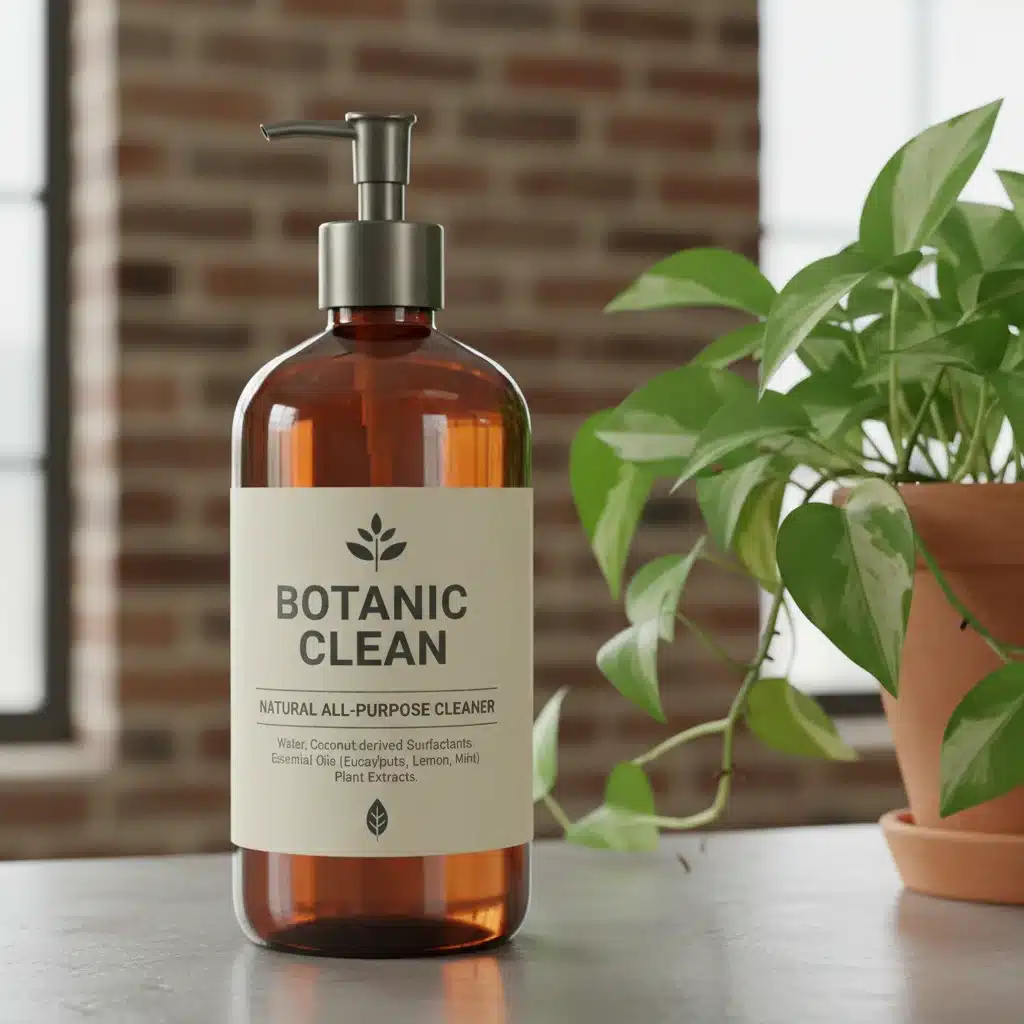
The cleaning aisle has long been a bastion of single-use plastic bottles. Our second discovery highlights the growing trend of refillable and concentrated cleaning solutions, a game-changer for reducing plastic waste. Instead of buying a new bottle every time you run out of cleaner, you simply purchase a small, highly concentrated refill pod or tablet that dissolves in water in a reusable bottle. This approach dramatically cuts down on plastic production, transportation emissions (as you’re not shipping water), and landfill waste.
These eco-conscious home products are not just about sustainability; they’re also often formulated with natural, non-toxic ingredients, making them safer for your family and pets. Many brands offer a subscription service, ensuring you never run out of supplies and further streamlining your sustainable routine. From all-purpose cleaners to bathroom sprays and dish soap, there’s a refillable option for almost every cleaning need. The aesthetic appeal of these systems also adds to their charm; sleek, durable glass or aluminum bottles replace cluttered plastic, elevating the look of your cleaning supplies. This shift represents a powerful move away from the ‘throwaway’ culture and towards a more circular economy in home care.
3. Biodegradable & Plant-Based Kitchen Sponges and Brushes: A Sustainable Scrub
Traditional kitchen sponges and brushes, often made from plastic and synthetic materials, contribute to microplastic pollution and end up in landfills, taking hundreds of years to decompose. Our third discovery focuses on the exciting world of biodegradable and plant-based alternatives. Imagine sponges made from cellulose, loofah, or coconut coir, and brushes crafted from bamboo or FSC-certified wood with natural bristles. These materials are not only effective at cleaning but also completely compostable at the end of their life.
The transition to these eco-conscious home products is effortless. They perform just as well, if not better, than their synthetic counterparts, often lasting longer and resisting odors more effectively. Furthermore, many of these products are ethically sourced and manufactured, ensuring that their production doesn’t harm local communities or ecosystems. By making this simple switch, you’re preventing harmful plastics from entering our environment and supporting industries committed to sustainable practices. It’s a small change with a significant impact, making your kitchen cleaning routine truly green from start to finish.
4. Solid Personal Care Products: Minimizing Bathroom Waste
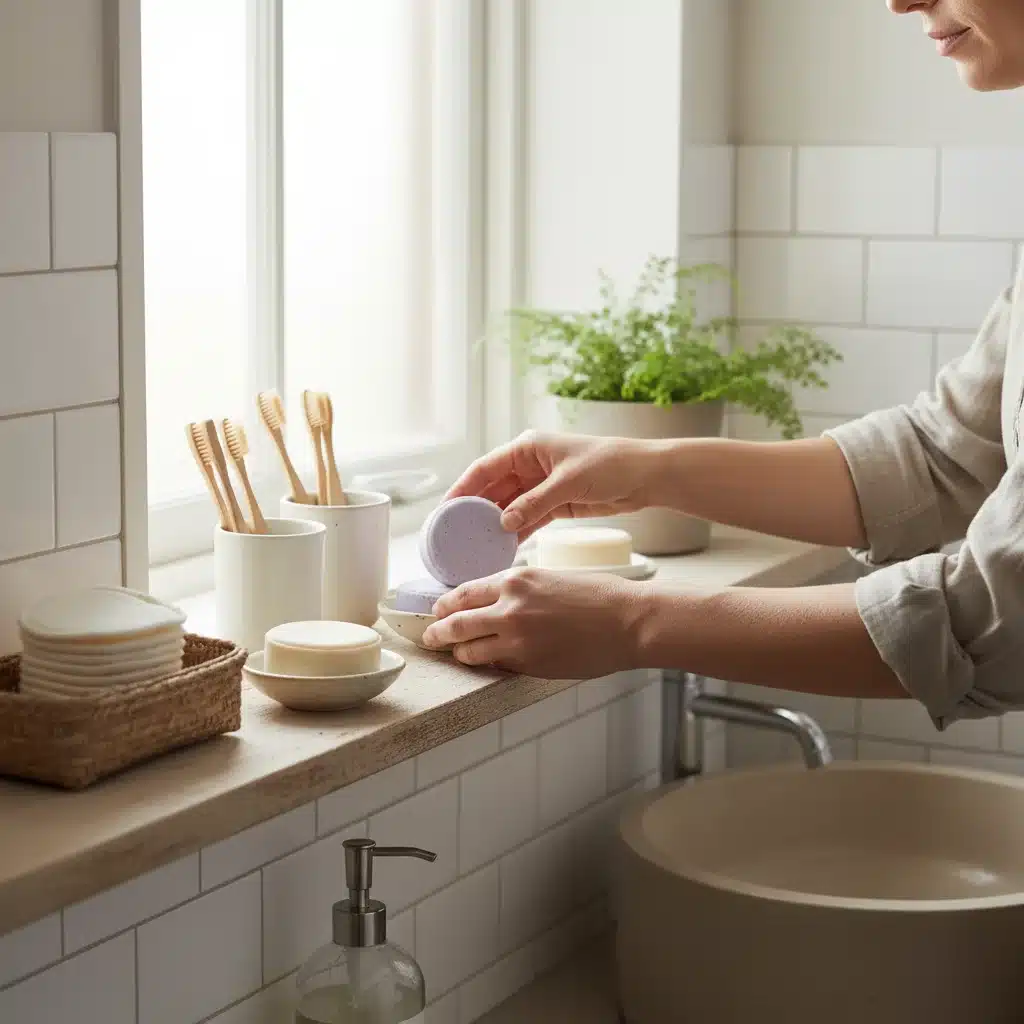
The bathroom is another area ripe for sustainable transformation, and our fourth discovery, solid personal care products, leads the charge. Think shampoo bars, conditioner bars, solid body wash, and even solid toothpaste tablets. These innovative products eliminate the need for plastic bottles entirely, offering a concentrated, water-free alternative that lasts longer and takes up less space. The environmental benefits are immense: no plastic packaging, reduced carbon footprint from shipping (as water isn’t being transported), and often, formulations with fewer synthetic chemicals.
Beyond their environmental credentials, many solid personal care products are crafted with high-quality, natural ingredients that are beneficial for your skin and hair. They are also incredibly convenient for travel, as there’s no risk of leaks and they comply with airline liquid restrictions. The market for these eco-conscious home products has expanded dramatically, offering a wide array of options for different hair types and skin concerns. Making the switch to solid toiletries is an impactful step towards a zero-waste lifestyle, transforming your bathroom into a more sustainable and minimalist sanctuary.
5. Smart Home Energy Monitors: Empowering Energy Efficiency
Energy consumption is a major contributor to greenhouse gas emissions, and often, we’re unaware of how much energy our homes are actually using. Our fifth discovery, smart home gadgets, empowers homeowners to take control of their energy usage. These devices connect to your home’s electrical panel and provide real-time data on energy consumption, often broken down by appliance or circuit. Through a user-friendly app, you can track your usage patterns, identify energy vampires, and receive alerts about unusual consumption.
The benefits extend beyond mere awareness. By understanding where and how you’re using energy, you can make informed decisions to reduce consumption, leading to significant savings on your utility bills. Many monitors also integrate with smart home ecosystems, allowing for automated energy-saving actions, such as turning off lights when a room is empty or optimizing HVAC schedules. These eco-conscious home products are crucial for anyone looking to reduce their environmental footprint and achieve a truly energy-efficient home. They transform abstract energy data into actionable insights, making sustainable living tangible and rewarding.
6. Upcycled & Recycled Material Home Decor: Style with a Conscience
Beyond functional items, our homes are filled with decor that expresses our personality. Our sixth and final discovery highlights the beauty and innovation of upcycled and recycled material home decor. This category encompasses everything from furniture made from reclaimed wood or recycled plastic to decorative items crafted from repurposed glass, metal, or textiles. The appeal lies not only in their environmental benefits but also in their unique aesthetics and often artisanal quality.
Choosing upcycled and recycled decor means you’re preventing materials from ending up in landfills, reducing the demand for new raw materials, and often supporting small businesses and artisans who specialize in sustainable craftsmanship. These eco-conscious home products often tell a story, adding character and depth to your living space that mass-produced items cannot. From stunning recycled glass vases to cozy throws made from recycled cotton, there are endless possibilities to infuse your home with style and a clear conscience. This trend proves that sustainability and sophisticated design can, and should, go hand-in-hand, creating homes that are both beautiful and responsible.
Integrating Eco-Conscious Home Products into Your Lifestyle
The journey to a more sustainable home is a gradual one, built on a series of conscious choices. While the idea of overhauling your entire home with eco-conscious home products might seem daunting, it’s important to remember that every small step counts. Begin by identifying areas where you can make the most immediate impact, perhaps starting with one of the product categories we’ve discussed. Replacing your cleaning supplies with refillable options, for instance, is a relatively easy and impactful change that yields immediate benefits in terms of plastic reduction.
Consider the lifecycle of products before you buy them. Ask yourself: What is it made of? How was it produced? How long will it last? What happens to it at the end of its life? These questions help you make more informed decisions and choose products that align with your values. Furthermore, don’t underestimate the power of DIY solutions and repairing items rather than replacing them. A truly sustainable lifestyle embraces resourcefulness and a mindset of preservation.
Educating yourself and your family about the benefits of sustainable living is also crucial. When everyone in the household understands why these changes are important, it fosters a collective commitment to maintaining an eco-conscious home. Share your discoveries with friends and family; the more people who embrace these practices, the greater the collective impact we can achieve. The availability of innovative and effective eco-conscious home products in 2026 makes this transition more exciting and attainable than ever before.
The Future of Sustainable Living: Beyond 2026
As we look beyond 2026, the trajectory for sustainable living is one of continuous innovation and integration. We can expect to see even more sophisticated eco-conscious home products emerge, driven by advancements in material science, artificial intelligence, and circular economy principles. Personalization will likely play a bigger role, with products tailored to individual needs and consumption patterns, further optimizing resource use.
The concept of a ‘smart eco-home’ will evolve, where all systems – from energy management to waste diversion and water conservation – are seamlessly interconnected and optimized for minimal environmental impact. We might see homes that are not just net-zero but net-positive, generating more resources than they consume. The emphasis will shift from simply ‘less bad’ to ‘actively good,’ fostering regenerative practices that heal and restore the environment.
Ultimately, the future of sustainable living is about creating a harmonious relationship between human society and the natural world. The eco-conscious home products we’ve explored today are vital stepping stones on this path, making it easier and more appealing for everyone to participate. By embracing these innovations, we’re not just adapting to a changing world; we’re actively shaping a better, greener future for generations to come. Your home can be a powerful catalyst for this positive change.
Conclusion: Your Home, Your Impact
The year 2026 presents an exciting landscape of opportunities for anyone looking to cultivate a more sustainable home. The six product discoveries we’ve highlighted – smart composting systems, refillable cleaning solutions, biodegradable kitchen tools, solid personal care products, smart home energy monitors, and upcycled decor – are more than just items; they are gateways to a more mindful and environmentally responsible lifestyle. Each of these eco-conscious home products offers a practical, effective, and often stylish way to reduce your environmental footprint, conserve resources, and contribute to a healthier planet.
Embracing sustainable living doesn’t require a complete overhaul overnight. It’s about making intentional choices, one product at a time, and gradually integrating greener habits into your daily routine. The market is evolving rapidly, making it easier than ever to find alternatives that align with your values without compromising on quality or convenience. By choosing these innovative solutions, you are not only transforming your own living space but also sending a powerful message to manufacturers and industries that demand for sustainable options is strong and growing.
We encourage you to explore these eco-conscious home products and consider how they might fit into your life. Every conscious decision you make has a ripple effect, contributing to a larger movement towards global sustainability. Let your home be a testament to your commitment to the planet, a place where comfort, beauty, and ecological responsibility coexist harmoniously. The future of sustainable living is here, and it starts with the choices you make today.