Autumn Harvest 2026: Insider Tips for Locating the Best Seasonal Produce Deals and Saving 15% on Groceries
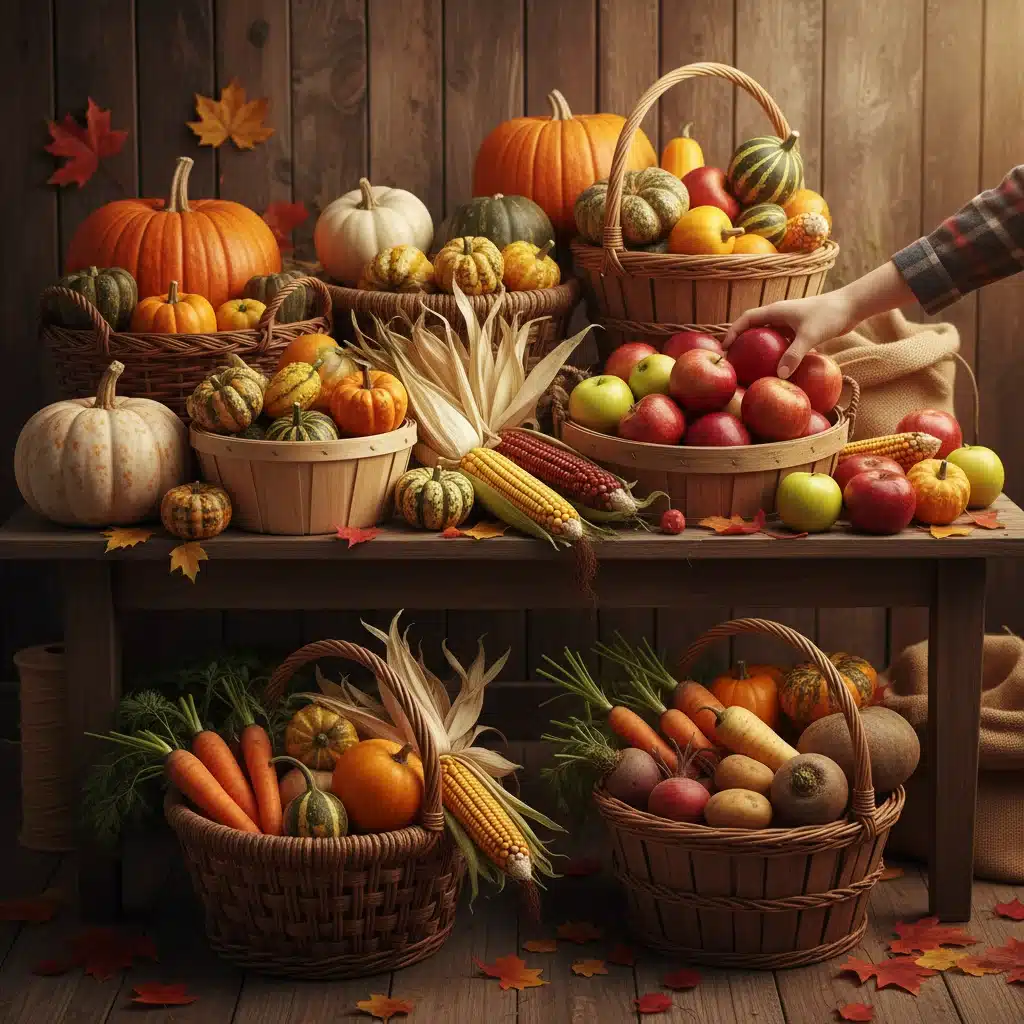
As the leaves begin their spectacular transformation and a crisp chill fills the air, a different kind of excitement stirs among savvy shoppers and food enthusiasts: the arrival of the autumn harvest deals. The year 2026 promises another bountiful season, presenting a golden opportunity to not only enjoy the freshest, most flavorful produce but also to significantly trim your grocery budget. This comprehensive guide is designed to transform you into an autumn harvest connoisseur, equipped with insider knowledge to locate the best seasonal produce deals and, crucially, to save a remarkable 15% or more on your grocery bill. Understanding the rhythms of the harvest and employing strategic shopping techniques can have a profound financial impact, turning what might seem like minor adjustments into substantial savings.
The concept of seasonal eating is not new, but its financial benefits are often underestimated. When produce is in season, it’s typically more abundant, leading to lower prices due to supply and demand. Furthermore, seasonal produce often travels shorter distances, reducing transportation costs and environmental impact, all while delivering superior flavor and nutritional value. For the 2026 autumn harvest deals, we’re focusing on actionable strategies that go beyond simply knowing what’s in season. We’re diving deep into where to find these deals, how to maximize your savings, and how to integrate these practices into a sustainable financial plan.
Understanding the 2026 Autumn Harvest Calendar: Your First Step to Savings
Before you can snag the best autumn harvest deals, you need to know what to look for and when. The autumn harvest typically spans from September through November, but specific produce items have their peak availability within this window. While exact dates can vary slightly by region and annual climate, here’s a general overview of what to expect:
- September: Apples, pears, grapes, figs, sweet potatoes, winter squash (early varieties), corn, green beans, bell peppers, eggplant, and early pumpkins. This month is a transitional period, offering a mix of late summer and early autumn delights.
- October: The heart of the autumn harvest. Expect peak availability for most varieties of apples, pumpkins, winter squash (butternut, acorn, spaghetti), cranberries, pomegranates, Brussels sprouts, broccoli, cauliflower, cabbage, carrots, and root vegetables like parsnips and turnips.
- November: Continues with root vegetables, winter squash, late-season apples and pears, citrus fruits (beginning to appear), and leafy greens like kale and collards that thrive in cooler weather. This month is ideal for stocking up on produce that stores well for holiday meals.
Keeping a mental or physical note of this calendar is your foundational tool for identifying genuine autumn harvest deals. When you see these items prominently displayed and priced competitively, you’ll know it’s the right time to buy.
Where to Find the Best Autumn Harvest Deals: Beyond the Supermarket Aisle
While your local grocery store will undoubtedly feature seasonal produce, the deepest and most authentic autumn harvest deals often lie elsewhere. Expanding your shopping horizons is key to maximizing your savings and accessing superior quality produce.
Farmers’ Markets: Direct from the Source
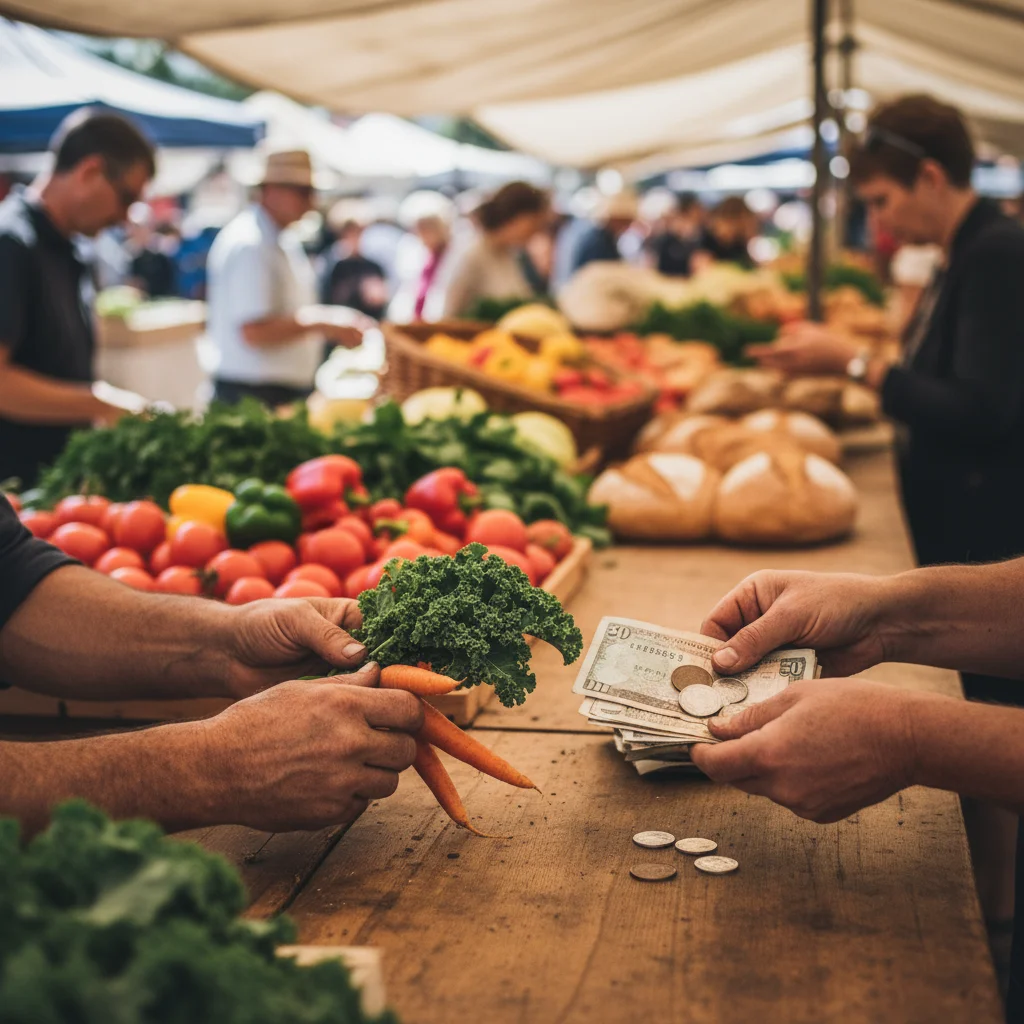
Farmers’ markets are arguably the best place to find fresh, locally grown produce at competitive prices, especially during peak harvest season. Farmers are often willing to offer discounts for bulk purchases, and you can engage directly with them to learn about their growing practices and even negotiate prices. Many markets also offer end-of-day deals as vendors look to clear their inventory. Arrive early for the best selection, or later for potential bargains.
U-Pick Farms: An Experiential and Economical Option
For items like apples, pears, and some berries, U-pick farms can offer significant savings. You pay by the pound, and often the price is considerably lower than retail. Beyond the financial benefit, it’s a wonderful outdoor activity for families and a great way to connect with your food source. Check local listings for U-pick farms in your area that specialize in autumn crops.
Community Supported Agriculture (CSA) Shares: A Season-Long Investment
While not a ‘deal’ in the traditional sense of a one-off discount, a CSA share can be an incredibly cost-effective way to receive a consistent supply of fresh, seasonal produce throughout the autumn. You pay a lump sum upfront to a local farm and receive a weekly box of whatever is harvested. This guarantees you fresh produce and often works out to be cheaper than buying individual items at the grocery store over the season. It also supports local agriculture, which is a wonderful bonus.
Roadside Stands and Local Produce Stores
Keep an eye out for smaller, independent roadside stands or local produce stores. These often have direct relationships with local growers and can offer excellent autumn harvest deals that bypass larger distribution costs. Prices might not always be advertised as steeply discounted, but the per-pound cost can often beat supermarket rates, especially for items like pumpkins, squash, and apples.
Grocery Store Sales and Loss Leaders
Don’t completely disregard supermarkets. They often use seasonal produce, particularly popular autumn items like pumpkins, apples, and cranberries, as ‘loss leaders’ to draw customers in. Keep a close watch on weekly circulars and store apps for these advertised specials. Combine these with manufacturer coupons (if applicable, though less common for fresh produce) for even greater savings.
Strategic Shopping for Maximum Savings: Achieving Your 15% Goal
Finding the deals is only half the battle; knowing how to leverage them is where the real savings happen. To hit that 15% (or more) grocery saving target during the 2026 autumn harvest deals, adopt these strategic shopping habits:
1. Price Comparison is Paramount
Never assume one store has the best price. Use flyers, store apps, and even quick visits to compare prices across different retailers, farmers’ markets, and local stands. For larger purchases, a slight difference per pound can add up significantly.
2. Buy in Bulk When the Price is Right
When you find an exceptional deal on autumn staples like apples, potatoes, onions, or winter squash, buy more than you immediately need. These items are excellent for bulk purchasing because they store well. However, only buy in bulk if you have a plan to use or preserve the produce before it spoils. Wasted food negates any savings.
3. Plan Your Meals Around Sales
Instead of deciding your meals and then shopping, reverse the process. Look at what’s on sale and in season for the autumn harvest deals, and then plan your weekly menu around those ingredients. This ensures you’re always cooking with the most economical options available.
4. Don’t Be Afraid of ‘Ugly’ Produce
Many stores and farmers now offer ‘ugly’ or imperfect produce at a discount. These items are perfectly fine nutritionally and taste-wise; they just don’t meet conventional aesthetic standards. This is an excellent way to save money, especially if you’re using the produce for cooking, baking, or preserving.
5. Leverage Loyalty Programs and Digital Coupons
Sign up for every grocery store loyalty program you frequent. These often provide exclusive discounts, personalized offers, and digital coupons that can be stacked with sales for even deeper savings on autumn harvest deals. Check your apps regularly before you shop.
6. Go Beyond the Obvious: Look for Value-Added Deals
Sometimes, the best deal isn’t just on the raw produce. Look for sales on items like apple cider (when apples are abundant), pumpkin puree (when pumpkins are in season), or even pre-cut squash if the discount outweighs the convenience fee. Always calculate the unit price to ensure it’s a true saving.
Preservation Techniques: Extending Your Autumn Harvest Deals
To truly maximize your autumn harvest deals and achieve substantial long-term savings, learning basic preservation techniques is indispensable. This allows you to enjoy seasonal bounty long after the harvest has passed, reducing your need to buy more expensive, out-of-season produce later.
Freezing: Simple and Effective
Many autumn vegetables and fruits freeze beautifully. Blanch vegetables like Brussels sprouts, broccoli, and green beans before freezing to retain color and texture. Fruits like berries, sliced apples, and cranberries can often be frozen raw on a baking sheet before transferring to freezer bags to prevent clumping. Properly frozen produce can last for 8-12 months, providing a continuous supply of nutritious ingredients.
Canning: A Time-Honored Tradition
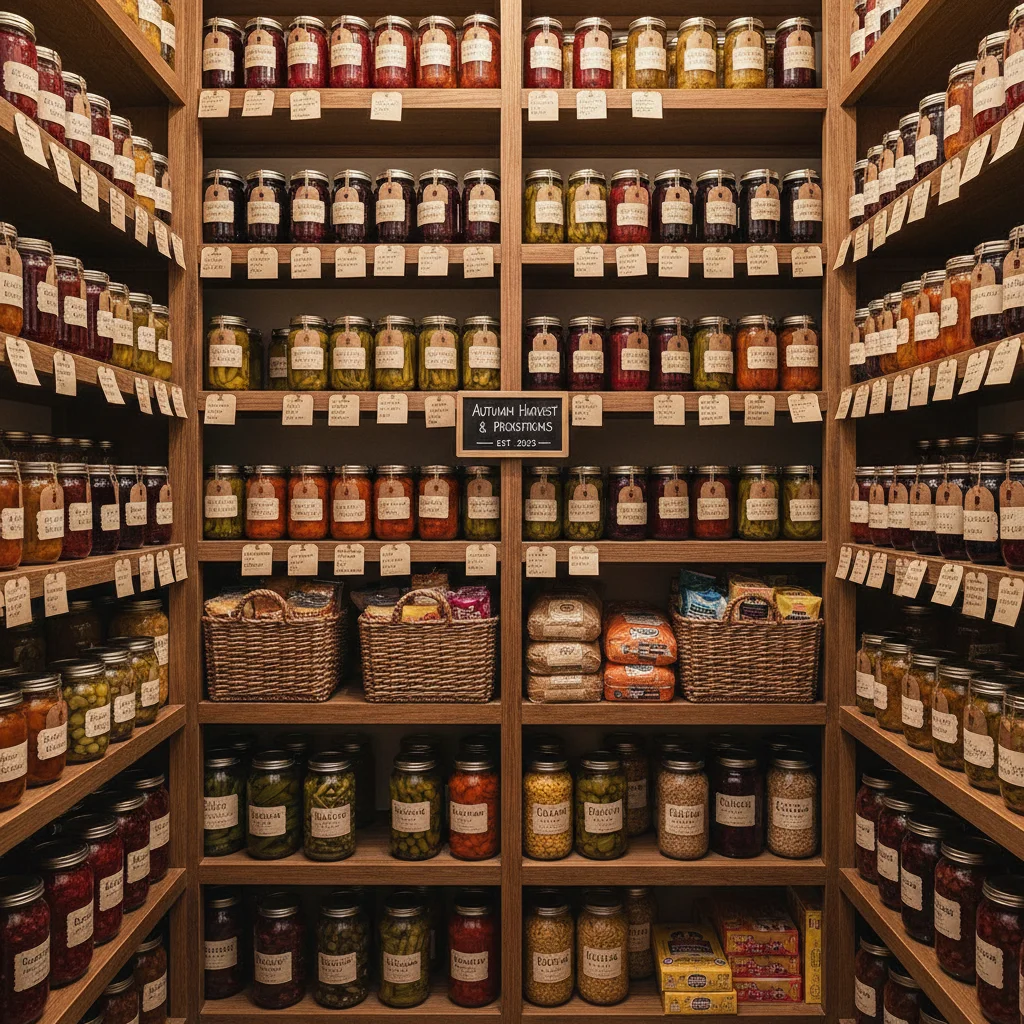
For those comfortable with the process, canning is an excellent way to preserve items like applesauce, pumpkin puree, pear halves, and various jams and jellies made from harvest fruits. Water bath canning is suitable for high-acid foods, while a pressure canner is required for low-acid vegetables. Canning can create shelf-stable pantry staples that last for years, making your autumn harvest deals stretch further than you thought possible.
Drying/Dehydrating: Concentrated Flavor and Long Shelf Life
Dehydrating fruits like apples, pears, and cranberries concentrates their flavors and creates healthy snacks or additions to baked goods. Vegetables like leafy greens (for powders) or sliced root vegetables can also be dehydrated. A food dehydrator makes this process easy, but a low oven can also work. Dried produce stores compactly and has a very long shelf life.
Root Cellaring/Proper Storage: Low-Tech Preservation
Many autumn root vegetables (carrots, potatoes, parsnips, turnips) and winter squash varieties are naturally designed for long-term storage in cool, dark, and humid conditions. If you have a basement, cool pantry, or even a shaded corner in a garage, you can extend the life of these items for months without any special equipment. Apples also store well in similar conditions. Understanding the ideal storage conditions for each type of produce is crucial to preventing spoilage.
Putting It All Together: Your Autumn Harvest 2026 Action Plan
To successfully navigate the 2026 autumn harvest deals and achieve your 15% grocery savings, follow this structured action plan:
- Educate Yourself on Peak Seasonality: Review the autumn harvest calendar for your region. Know what’s coming when.
- Identify Local Sourcing Options: Research local farmers’ markets, U-pick farms, CSA programs, and roadside stands. Create a list of potential shopping destinations.
- Track Sales and Flyers: Dedicate time each week to review grocery store flyers and digital coupons. Compare prices across different vendors.
- Meal Plan Strategically: Build your weekly menu around the best autumn harvest deals you find. Be flexible and creative.
- Learn Basic Preservation: Choose one or two preservation methods (e.g., freezing and proper storage) to start with. Invest in basic supplies if needed (freezer bags, canning jars).
- Buy Smart, Not Just Cheap: Always consider quality and your ability to use the produce before it spoils, even if the price is incredibly low.
- Batch Cook and Prepare Ahead: Once you’ve brought home your haul, spend some time washing, chopping, and even pre-cooking parts of your meals. This reduces waste and makes healthy eating easier throughout the week.
- Monitor Your Savings: Keep a simple record of your grocery spending before and during the autumn harvest season. Seeing your savings grow can be a powerful motivator.
The Financial Impact: More Than Just Food Savings
Saving 15% on groceries during the autumn harvest deals might seem like a modest goal, but its financial impact extends far beyond the checkout counter. Consider this:
- Increased Disposable Income: The money saved can be redirected towards other financial goals, such as debt reduction, building an emergency fund, or investing.
- Reduced Food Waste: By planning, buying seasonally, and preserving, you’re inherently reducing food waste, which is a significant hidden cost in many households.
- Health Benefits: Eating more fresh, seasonal produce often leads to a healthier diet, potentially reducing future healthcare costs.
- Support for Local Economies: Shopping at farmers’ markets and local stands keeps money within your community, fostering a more resilient local economy.
- Skill Development: Learning to preserve food and cook with seasonal ingredients are valuable life skills that contribute to long-term financial independence and self-sufficiency.
For a family spending $800 a month on groceries, a 15% saving translates to $120 extra per month, or $1440 annually. Imagine what you could do with that extra money! Over several years, these savings compound, making a tangible difference to your financial well-being. This is the true power of leveraging autumn harvest deals.
Common Pitfalls to Avoid When Chasing Autumn Harvest Deals
While the opportunities are vast, there are a few common mistakes that can derail your autumn harvest savings efforts:
- Overbuying and Spoilage: The biggest enemy of savings is waste. Don’t get carried away by low prices if you don’t have a plan to use or preserve everything.
- Ignoring Unit Prices: A ‘deal’ isn’t always a deal. Always calculate the price per pound or per item to truly compare value, especially between different package sizes or vendors.
- Impulse Buys: Stick to your shopping list, which should be based on your meal plan and identified deals. Wandering aimlessly can lead to unnecessary purchases.
- Not Factoring in Time/Travel: While farmers’ markets offer great deals, consider the time and fuel cost if it’s a significant drive. Sometimes, a slightly higher price at a closer store might be more economical overall.
- Neglecting Storage Conditions: Improper storage can quickly ruin even the freshest produce, turning your savings into losses. Understand how to store each item correctly.
Conclusion: Embrace the Abundance of Autumn 2026
The 2026 autumn harvest deals represent more than just an opportunity to buy fresh produce; they offer a pathway to smarter financial management, healthier eating, and a deeper connection to your food source. By understanding the harvest calendar, exploring diverse shopping venues, employing strategic buying tactics, and embracing preservation techniques, you are not just saving money; you are investing in your health, your skills, and your financial future.
Make this autumn your most financially savvy yet. Arm yourself with this insider knowledge, set your 15% savings goal, and enjoy the delicious, economical bounty that the harvest season brings. Happy shopping, and happy saving!