Brighten Your Home: 4 Simple Natural Light Upgrades for 2026
In the quest for a more inviting, energy-efficient, and aesthetically pleasing home, the power of natural light cannot be overstated. A well-lit space not only feels larger and more welcoming but also has a profound impact on our mood, productivity, and overall well-being. As we look towards 2026, there’s never been a better time to consider how you can maximize the natural light in your home. These aren’t just about adding windows; they’re about smart, strategic enhancements that leverage existing light sources and introduce new ones to create a truly radiant living environment. This comprehensive guide will explore four simple yet incredibly effective natural light upgrades that can transform your home, making it brighter, more vibrant, and more energy-efficient.
The benefits of ample natural light extend far beyond mere aesthetics. Studies have consistently shown that exposure to natural light can improve sleep patterns, reduce eye strain, boost vitamin D production, and even enhance cognitive function. For homeowners, this translates into a more comfortable and healthier living space. Furthermore, by reducing your reliance on artificial lighting, you can significantly cut down on your energy consumption, leading to lower utility bills and a smaller carbon footprint. In essence, investing in natural light upgrades is an investment in your health, your wallet, and the planet.
Many people assume that increasing natural light requires major renovations, but that’s often not the case. While large window installations or structural changes can certainly make a difference, there are numerous simpler, more accessible upgrades that can yield impressive results. These four strategies are designed to be practical, affordable, and impactful, allowing you to achieve a brighter home without the need for extensive construction. From clever interior design tricks to innovative architectural additions, we’ll cover a range of options suitable for various home styles and budgets. Let’s delve into these transformative natural light upgrades and discover how you can bring more sunshine into your life.
1. Strategic Placement of Mirrors and Reflective Surfaces
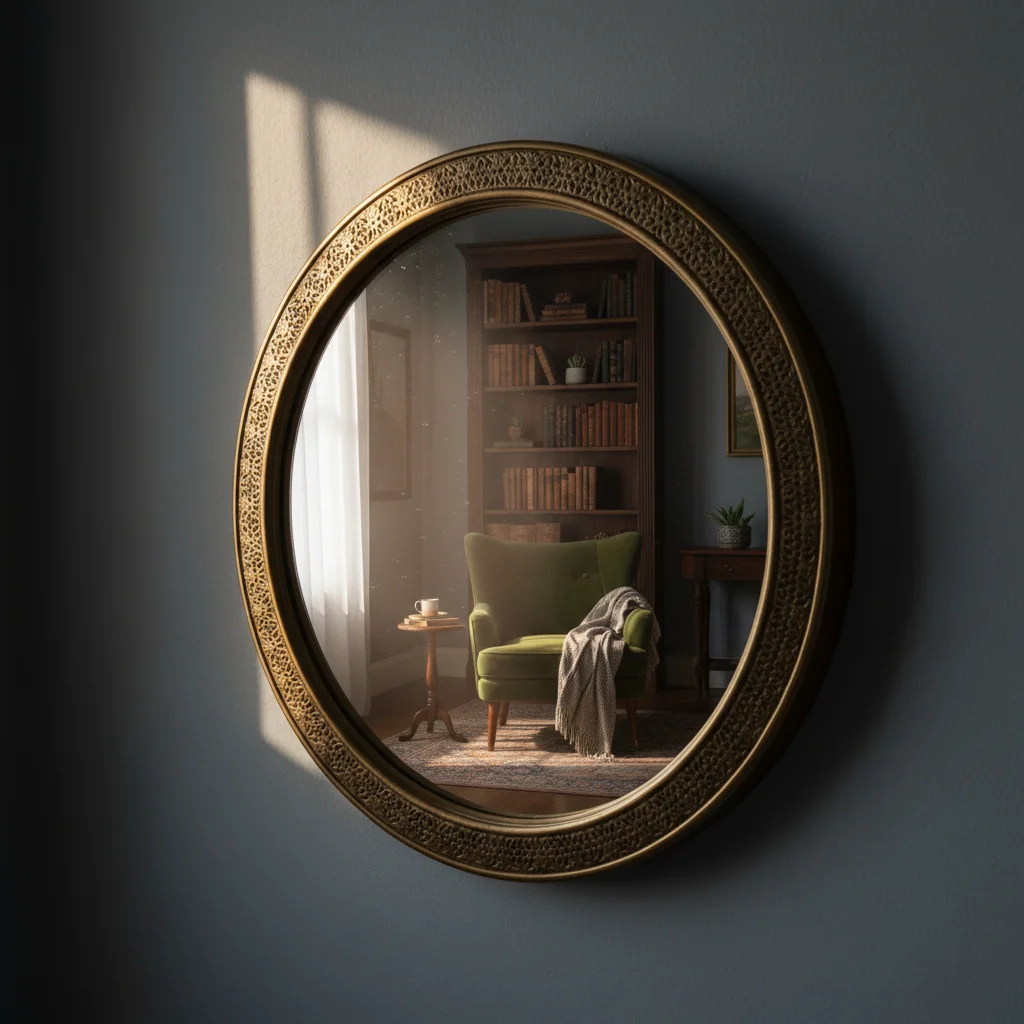
One of the most cost-effective and immediate ways to amplify natural light within your home is through the strategic placement of mirrors and other reflective surfaces. Mirrors act as optical illusions, not only reflecting light but also creating the perception of greater space. When positioned correctly, a mirror can bounce sunlight deep into a room, brightening areas that would otherwise remain dim. This is a fundamental principle of interior design that can dramatically impact the ambiance of any space.
Understanding the Science of Reflection
The effectiveness of a mirror in distributing light depends on its size, placement, and the angle at which it receives light. To maximize its impact, consider placing a large mirror directly opposite a window. This allows the mirror to capture the incoming light and project it back into the room, essentially doubling the light source. If direct opposition isn’t possible, placing a mirror on an adjacent wall can still help distribute light, especially if it catches the light at an angle. The goal is to create a pathway for light to travel further into your living areas.
Beyond Traditional Mirrors: Exploring Reflective Materials
While standard wall mirrors are excellent, don’t limit your thinking. Consider furniture with mirrored or highly polished chrome surfaces. Glass tabletops, metallic accents, and even glossy paint finishes can contribute to light reflection. For instance, a coffee table with a mirrored top can subtly reflect light upwards, adding to the overall brightness. Kitchen backsplashes made of reflective tiles or stainless steel can also help distribute light in an often utilitarian space. These subtle additions are fantastic natural light upgrades that enhance both function and form.
Practical Application Tips:
- Opposite Windows: Position large mirrors directly opposite windows to reflect maximum light.
- Adjacent Walls: If direct opposition isn’t feasible, place mirrors on walls adjacent to windows to catch light at an angle.
- Dark Corners: Use mirrors to brighten dark corners or hallways that rarely receive direct sunlight.
- Artful Groupings: Create a gallery wall with multiple smaller mirrors to scatter light across a broader area.
- Reflective Furniture: Incorporate furniture with mirrored, metallic, or glossy finishes.
- Light-Colored Decor: Pair reflective surfaces with light-colored walls and decor to prevent light absorption.
By thoughtfully integrating mirrors and reflective elements, you can significantly enhance the perceived brightness of your home without any structural changes. This is a quick and impactful way to implement natural light upgrades that make a noticeable difference.
2. Optimizing Window Treatments and Glass Management
The way you manage your windows and the type of glass you use can profoundly influence the amount of natural light entering your home. Often, homeowners inadvertently block natural light with heavy curtains or outdated window technologies. Optimizing these elements can lead to a significant boost in brightness, making it one of the most essential natural light upgrades.
Choosing the Right Window Treatments
Heavy, dark, or opaque window treatments can act as barriers to natural light, even when open. The goal is to choose options that allow maximum light penetration while still offering privacy and insulation when needed. Sheer curtains are an excellent choice, diffusing harsh sunlight into a soft, ambient glow while maintaining a sense of openness. Light-colored blinds or cellular shades can be easily adjusted to control light and privacy without completely blocking the view or light. For rooms where privacy is paramount but light is still desired, top-down/bottom-up shades offer flexibility, allowing light to enter from the top while maintaining privacy at eye level.
Considering Glass Technology
Beyond treatments, the type of glass in your windows plays a crucial role. Older windows often have thicker, less transparent glass that can reduce light transmission. Upgrading to modern, high-performance glass can make a noticeable difference. Low-emissivity (Low-E) glass, for example, is designed to minimize the amount of ultraviolet and infrared light that passes through your windows without compromising the amount of visible light. This means you get excellent natural light without the excessive heat gain in summer or heat loss in winter, contributing to energy efficiency. For areas requiring privacy without sacrificing light, frosted or textured glass can be an effective solution, admitting light while obscuring direct views.
The Power of Cleanliness
It might seem obvious, but dirty windows significantly impede natural light. Dust, grime, and water spots can reduce the amount of light entering your home by a surprising percentage. Regular window cleaning, both inside and out, is a simple yet highly effective way to ensure your windows are performing at their best as conduits for natural light. This minimal effort is one of the easiest natural light upgrades you can undertake.
Practical Application Tips:
- Sheer Curtains: Opt for light-colored, sheer fabrics that diffuse light beautifully.
- Adjustable Blinds/Shades: Choose blinds or shades that offer flexible light control, such as Venetian blinds or cellular shades.
- Top-Down/Bottom-Up Shades: Ideal for privacy and light management, allowing light to enter from above.
- High-Performance Glass: Consider upgrading to Low-E or other energy-efficient glass types that optimize light transmission.
- Frosted/Textured Glass: Use in bathrooms or entryways for privacy without blocking light entirely.
- Regular Cleaning: Keep windows sparkling clean to maximize light entry.
By taking a thoughtful approach to your window treatments and glass, you can effortlessly transform your home’s natural illumination, making these some of the most impactful natural light upgrades.
3. Incorporating Light Tubes and Skylights
For areas of your home that are particularly dark and lack direct window access – think interior bathrooms, hallways, or walk-in closets – traditional windows are not an option. This is where innovative architectural solutions like light tubes (also known as solar tubes or sun tunnels) and skylights shine. These additions are among the most effective natural light upgrades for bringing daylight into previously inaccessible spaces, dramatically changing their feel and functionality.
The Magic of Light Tubes
Light tubes are ingenious devices that capture sunlight from your roof and channel it through a highly reflective tube down into your interior spaces. They typically consist of a dome on the roof, a reflective pipe, and a diffuser at the ceiling level inside the room. The reflective lining of the tube ensures that very little light is lost during transmission, even over significant distances or with bends in the tube. They are relatively easy and quick to install compared to traditional skylights and are perfect for illuminating small, enclosed areas that would otherwise require constant artificial lighting. Imagine a bathroom or laundry room that suddenly feels open and bright, all thanks to a simple light tube.
Embracing Skylights for Broader Illumination
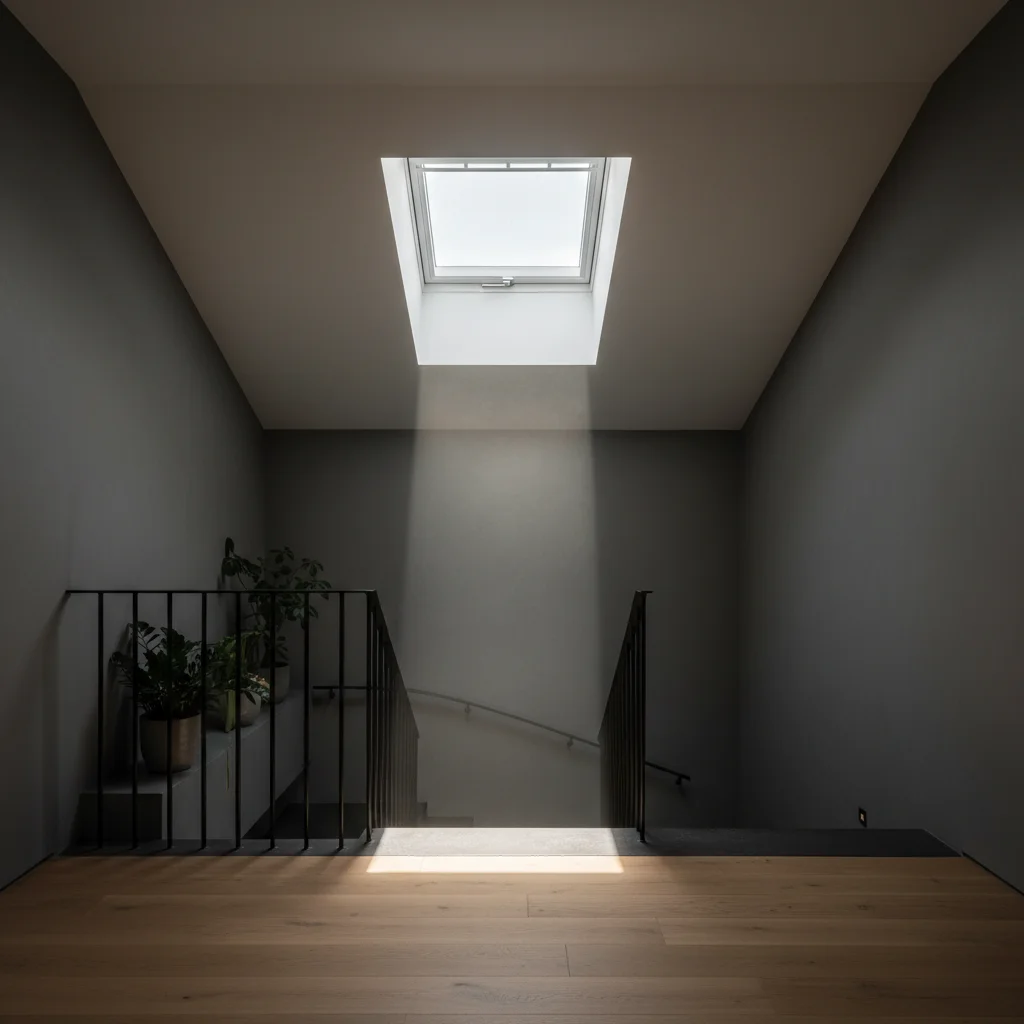
Skylights, on the other hand, offer a more expansive and direct influx of natural light. They are essentially windows installed in the roof, allowing light to flood downwards into a room. Skylights are particularly effective in larger, open-plan areas, kitchens, living rooms, or bedrooms, providing a dramatic increase in ambient light. Modern skylights come with various features, including energy-efficient glazing, remote-controlled vents for ventilation, and integrated blinds for light control. While more involved to install than light tubes, the impact of a well-placed skylight on a room’s brightness and spaciousness is unparalleled. They create a connection to the sky and can transform a dull room into a vibrant hub of activity. These are significant natural light upgrades that add substantial value.
Considerations for Installation:
When considering light tubes or skylights, it’s important to consult with a professional installer. Factors such as roof type, ceiling structure, and potential for leaks need to be carefully assessed. However, the long-term benefits in terms of natural light, energy savings, and enhanced living comfort often outweigh the initial investment. Both options significantly reduce the need for electric lighting during the day, leading to considerable energy savings over time.
Practical Application Tips:
- Light Tubes for Small Spaces: Ideal for interior bathrooms, hallways, closets, or pantries where windows aren’t feasible.
- Skylights for Main Rooms: Best for kitchens, living rooms, and bedrooms to provide widespread, overhead illumination.
- Ventilating Skylights: Choose models with vents for improved air circulation and heat control.
- Integrated Blinds: Opt for skylights with built-in blinds for adjustable light control and privacy.
- Professional Installation: Always hire experienced professionals to ensure proper sealing and structural integrity.
Integrating light tubes or skylights is a powerful way to bring the outside in, making these some of the most transformative natural light upgrades for any home.
4. Light-Colored Decor and Open-Concept Design
Beyond structural changes and specific fixtures, the overall aesthetic and layout of your home play a monumental role in how natural light is perceived and distributed. Embracing light-colored decor and, where possible, an open-concept design are often overlooked yet highly effective natural light upgrades that work in synergy to create a brighter, more expansive feel.
The Power of Light Hues
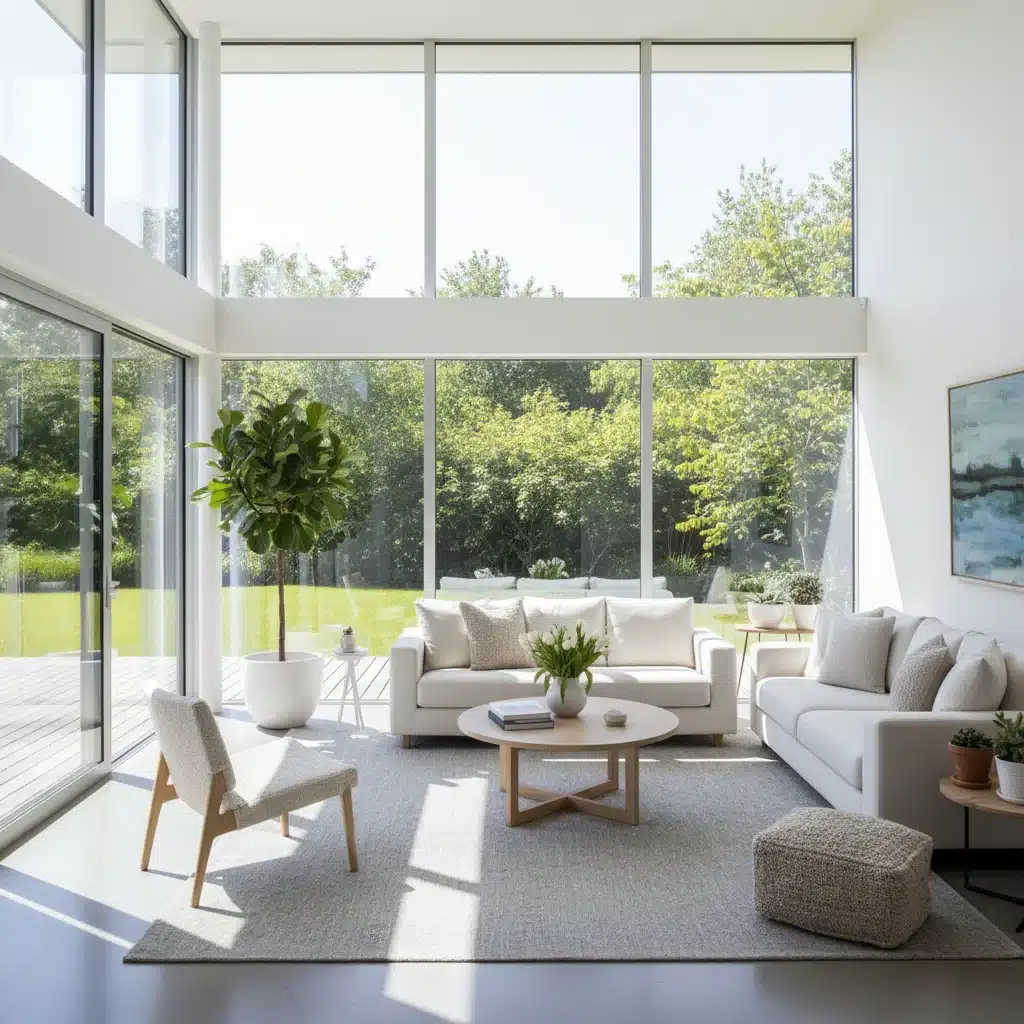
Dark colors absorb light, while light colors reflect it. This fundamental principle of color theory is incredibly important when aiming to maximize natural light. Painting walls, ceilings, and even floors in light shades such as white, off-white, pale grays, or soft pastels can dramatically increase the amount of light that bounces around a room. A white ceiling, for example, can make a room feel taller and brighter by reflecting light downwards and outwards. Similarly, light-colored furniture and textiles will not only prevent light absorption but also contribute to an overall airy and fresh aesthetic. Think about light wood tones, pale upholstery, and translucent decorative elements.
Embracing Open-Concept Living
While not always a simple upgrade, for those considering renovations, adopting an open-concept design is one of the most effective ways to allow natural light to flow freely throughout a home. By removing non-load-bearing interior walls, you eliminate barriers that block light and create separate, often darker, rooms. An open floor plan allows light from windows in one area to penetrate deeper into adjacent spaces, creating a more cohesive and uniformly lit environment. This design philosophy emphasizes fluidity and connectivity, making the most of every ray of sunlight. Even if a full open-concept remodel isn’t feasible, consider creating wider doorways or installing interior glass doors to allow light to pass between rooms.
Minimizing Obstructions and Decluttering
Another often-underestimated aspect is the presence of clutter and heavy furniture. Overly large or dark furniture can block light paths and cast shadows, making a room feel smaller and darker. Opt for streamlined, lighter-colored pieces and arrange furniture to avoid obstructing windows. Decluttering also plays a role; fewer objects mean fewer surfaces to absorb light and a general sense of openness. This minimalist approach is a simple yet effective way to implement natural light upgrades without any financial outlay.
Practical Application Tips:
- Light Wall Colors: Paint walls and ceilings in whites, off-whites, or very pale shades to maximize light reflection.
- Light Furniture: Choose furniture with light upholstery or finishes that reflect rather than absorb light.
- Translucent Materials: Incorporate glass, acrylic, or sheer fabrics in decor to allow light to pass through.
- Open Floor Plans: If renovating, consider removing internal walls to create interconnected, light-filled spaces.
- Wider Doorways/Glass Doors: For less extensive renovations, widen existing doorways or install interior glass doors.
- Minimalist Decor: Reduce clutter and heavy, dark furniture to keep light paths clear.
By consciously selecting light-reflecting elements and promoting an open flow, you can significantly enhance your home’s natural brightness, making these critical natural light upgrades for a radiant living space.
The Transformative Power of Natural Light
The journey to a brighter home is a multifaceted one, encompassing everything from architectural interventions to interior design choices. The four simple natural light upgrades we’ve explored – strategic mirror placement, optimized window treatments, innovative light tubes and skylights, and light-colored decor with open-concept design – each offer unique benefits and can be tailored to suit various needs and budgets. Individually, they provide noticeable improvements; collectively, they can utterly transform your living environment.
Beyond the immediate visual appeal, the long-term advantages of maximizing natural light are substantial. You’ll likely experience a reduction in your electricity bills as you rely less on artificial lighting during the day. The psychological benefits are equally compelling: improved mood, increased productivity, better sleep, and a greater sense of connection to the outdoors. A home filled with natural light simply feels more alive, more inviting, and more aligned with our natural rhythms.
As you plan your home improvements for 2026 and beyond, consider prioritizing these natural light upgrades. Start small with simple changes like rearranging mirrors or updating curtains, and then, if your budget and vision allow, explore more ambitious projects like skylight installations or opening up your floor plan. Each step you take will bring you closer to a home that not only looks brighter but also feels healthier and more harmonious.
Remember, creating a naturally bright home isn’t just about adding more light; it’s about making smarter choices with the light you have and thoughtfully introducing new sources where they can have the most impact. Embrace these strategies, and prepare to enjoy a living space that truly shines, reflecting comfort, efficiency, and well-being in every corner. Your brighter home awaits!