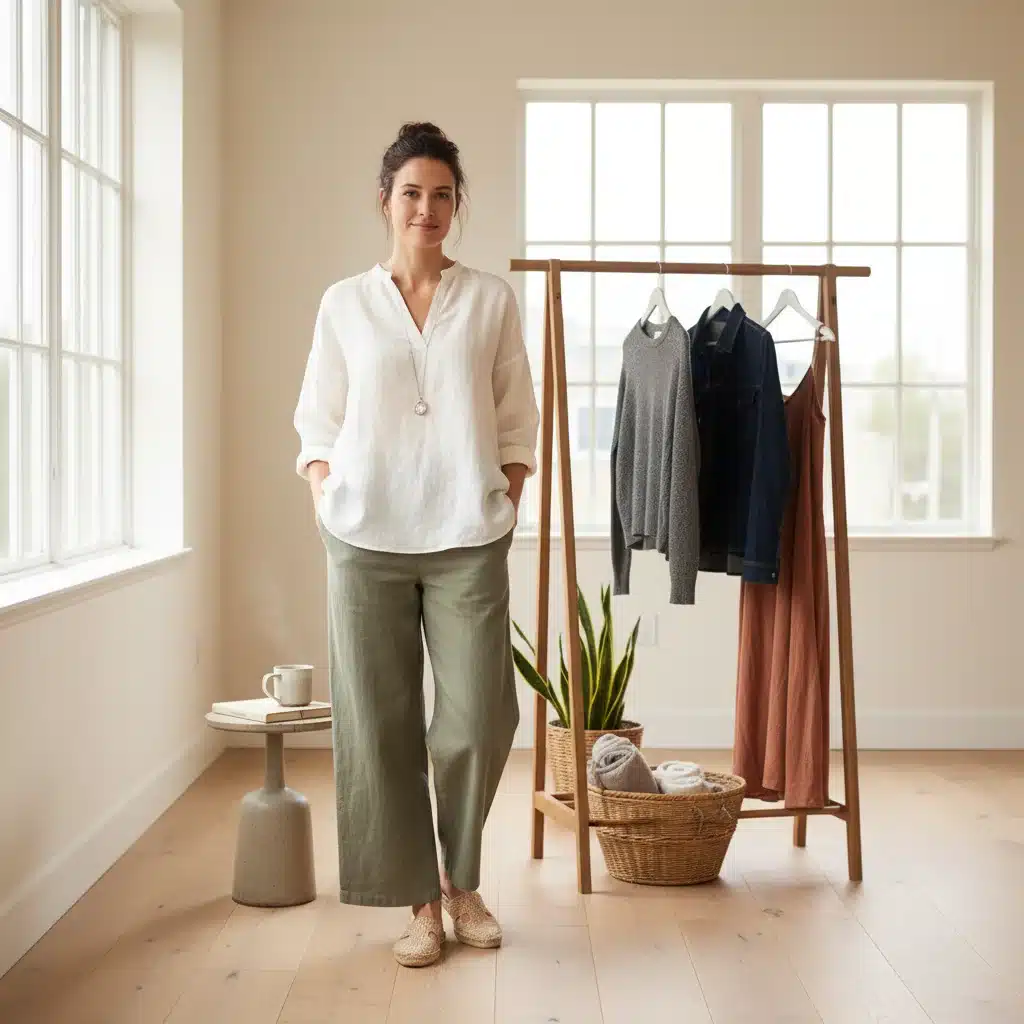
Eco-Conscious Fashion: Build a Sustainable Wardrobe for 30% Savings by 2026
In an era dominated by fast fashion and fleeting trends, the concept of a sustainable wardrobe might seem like a niche interest. However, as environmental awareness grows and economic pressures increase, embracing eco-conscious fashion is becoming not just a moral imperative but also a smart financial strategy. Imagine reducing your clothing expenses by over 30% by 2026, all while contributing positively to the planet. This isn’t a pipe dream; it’s an achievable goal through strategic shifts in how we approach our clothing choices. This comprehensive guide will delve into the world of sustainable fashion savings, providing actionable insights, practical tips, and a roadmap to transform your wardrobe and your budget.
The Environmental and Economic Cost of Fast Fashion
Before we dive into solutions, it’s crucial to understand the problem. Fast fashion, characterized by rapid production cycles, low prices, and disposable clothing, has devastating environmental and social consequences. The industry is a massive polluter, contributing significantly to water pollution, plastic microfibre release, and greenhouse gas emissions. Textile production alone accounts for 10% of global carbon emissions, more than international flights and maritime shipping combined. Furthermore, the sheer volume of clothing produced and discarded leads to overflowing landfills, with an estimated 85% of textiles ending up in dumps each year.
Beyond the environmental toll, fast fashion often comes at a human cost, relying on exploitative labor practices in developing countries. Workers are frequently paid poverty wages, endure unsafe working conditions, and are denied basic rights. From an economic perspective, while individual fast fashion items are cheap, the constant need to buy new clothes to keep up with trends leads to a cumulative financial drain. Consumers are trapped in a cycle of continuous purchasing, often replacing poorly made items that quickly fall apart. Breaking this cycle is the first step towards realizing significant sustainable fashion savings.
Defining a Sustainable Wardrobe: More Than Just Organic Cotton
A sustainable wardrobe is not just about buying clothes made from organic cotton or recycled materials, although those are important aspects. It’s a holistic approach that encompasses every stage of a garment’s lifecycle, from its design and production to its use and eventual disposal. Key pillars of a sustainable wardrobe include:
- Durability and Quality: Choosing well-made items designed to last, reducing the need for frequent replacements.
- Ethical Production: Supporting brands that ensure fair wages, safe working conditions, and transparent supply chains.
- Eco-Friendly Materials: Opting for natural, organic, recycled, or innovative low-impact fabrics.
- Reduced Consumption: Buying less, but buying better.
- Longevity and Care: Extending the life of garments through proper care, repair, and restyling.
- Circularity: Participating in clothing swaps, buying second-hand, and responsibly recycling or donating clothes at their end-of-life.
By integrating these principles, you’re not just building a collection of clothes; you’re cultivating a mindful relationship with your belongings, leading directly to substantial sustainable fashion savings.
The 30% Savings Goal by 2026: A Realistic Outlook
Achieving a 30% reduction in your clothing expenditure by 2026 is ambitious but entirely feasible. This isn’t about deprivation; it’s about smarter spending and maximizing the value of what you already own. Here’s how the savings accumulate:
- Reduced Purchase Frequency: High-quality, durable items mean fewer purchases over time.
- Lower Cost Per Wear: A $100 dress worn 50 times costs $2 per wear, while a $20 fast fashion dress worn 5 times costs $4 per wear. Investing in quality dramatically lowers your cost per wear.
- Elimination of Impulse Buys: A conscious approach to shopping reduces unnecessary purchases driven by fleeting trends or sales.
- Leveraging Second-Hand Markets: Buying pre-owned items at a fraction of their original cost.
- Repair and Maintenance: Extending garment life through simple repairs, avoiding replacement costs.
- Wardrobe Optimization: Creating a versatile wardrobe where pieces can be mixed and matched, reducing the perceived need for new items.
Over three years, these incremental changes compound into significant savings. Let’s explore the practical steps.
Step 1: The Wardrobe Audit – Know What You Have
The journey to sustainable fashion savings begins with a thorough understanding of your current wardrobe. This step is often overlooked but is fundamental to making informed decisions.
Declutter and Organize
- Empty Everything Out: Take every piece of clothing, every accessory, out of your closet and drawers.
- Sort into Piles: Create three piles: ‘Keep’, ‘Donate/Sell’, and ‘Repair/Upcycle’.
- Be Ruthless with ‘Keep’: Only keep items that fit well, make you feel good, and you wear regularly. Ask yourself: ‘Have I worn this in the last year?’, ‘Does it fit my current style?’, ‘Is it in good condition?’.
- Identify Gaps and Duplicates: Once you have your ‘Keep’ pile, identify what you truly need versus what you have in excess. Do you have five nearly identical black t-shirts? Do you lack a versatile jacket?
Understand Your Style and Needs
Reflect on your personal style, your lifestyle, and your needs. What colors do you gravitate towards? What silhouettes flatter you? What activities do you need clothes for? This introspection prevents future impulse buys and helps you build a cohesive wardrobe. A well-defined personal style is a powerful tool for achieving sustainable fashion savings.
Step 2: Embrace Slow Fashion Principles
Slow fashion is the antithesis of fast fashion. It advocates for quality over quantity, timelessness over trends, and ethical production over exploitation. Adopting slow fashion principles is central to long-term sustainable fashion savings.
Invest in Quality Over Quantity
This is perhaps the most impactful change you can make. A well-made garment might have a higher upfront cost, but its longevity means you replace it less often. Look for:
- Durable Fabrics: Natural fibers like linen, organic cotton, hemp, wool, and Tencel are generally more durable and biodegradable than synthetic blends.
- Strong Stitching: Inspect seams for tight, even stitches. Double stitching is often a sign of quality.
- Quality Hardware: Zippers, buttons, and clasps should feel sturdy and well-attached.
- Classic Styles: Opt for timeless designs that won’t go out of fashion next season.
Research Ethical Brands
There’s a growing number of brands committed to ethical and sustainable practices. Look for certifications like GOTS (Global Organic Textile Standard), Fair Trade Certified, or B Corp. Websites like Good On You provide ratings and information on brands’ ethical performance. Supporting these brands might sometimes mean a slightly higher price point, but it aligns with your values and contributes to a fairer industry, ultimately supporting your goal of sustainable fashion savings by investing in pieces that last.
Step 3: Strategic Shopping for Maximum Savings
This is where the direct financial benefits of sustainable fashion savings truly come into play.
Master the Art of Second-Hand Shopping
Buying pre-owned clothing is arguably the most sustainable and budget-friendly way to shop. It extends the life of garments, reduces waste, and offers incredible value. Explore:
- Thrift Stores and Charity Shops: Goldmines for unique finds at rock-bottom prices.
- Consignment Stores: Often offer higher-end or designer pieces.
- Online Marketplaces: Platforms like Depop, Poshmark, ThredUp, and Vestiaire Collective provide access to a vast selection of second-hand items from the comfort of your home.
- Vintage Shops: For unique, timeless pieces with character.
When shopping second-hand, inspect items carefully for damage, stains, or excessive wear. Remember, a little mending can often revive a great piece!
Host or Join Clothing Swaps
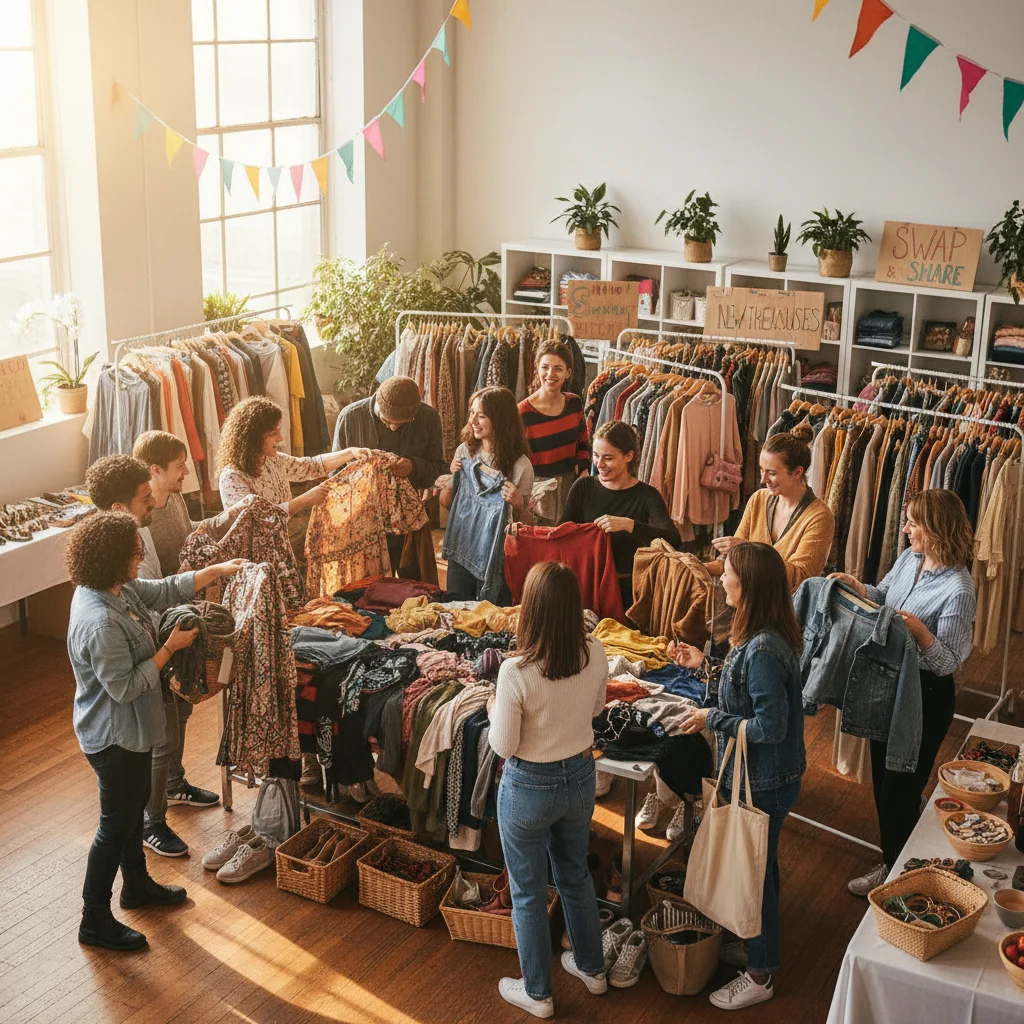
Clothing swaps are a fantastic way to refresh your wardrobe for free. Gather friends, family, or community members, bring clothes you no longer want, and exchange them for ‘new-to-you’ items. It’s a social, fun, and completely free way to update your style and a prime example of sustainable fashion savings in action.
Rent or Borrow for Special Occasions
Do you really need to buy a new outfit for every wedding or formal event? Rental services for formal wear, designer dresses, or even everyday items are becoming increasingly popular. This saves you a significant amount of money on items you’ll wear once or twice.
Shop Your Own Closet First
Before heading to stores or online, challenge yourself to create new outfits from what you already own. Mix and match pieces you wouldn’t normally pair together, experiment with accessories, or even try simple DIY alterations. You might be surprised by how many ‘new’ outfits you can discover, preventing unnecessary purchases and contributing directly to your sustainable fashion savings.
Step 4: Extend the Life of Your Garments
The longer your clothes last, the less often you need to buy new ones, directly impacting your savings goal.
Proper Care and Maintenance
- Read Care Labels: Follow washing instructions carefully. Many items are overwash, leading to premature wear and tear.
- Wash Less: Only wash clothes when they are truly dirty. Airing out garments can often suffice.
- Wash Cold and Air Dry: This saves energy, reduces fabric damage, and prevents shrinking or fading.
- Store Properly: Use appropriate hangers, fold knitwear to prevent stretching, and protect delicate items.
Learn Basic Repair Skills
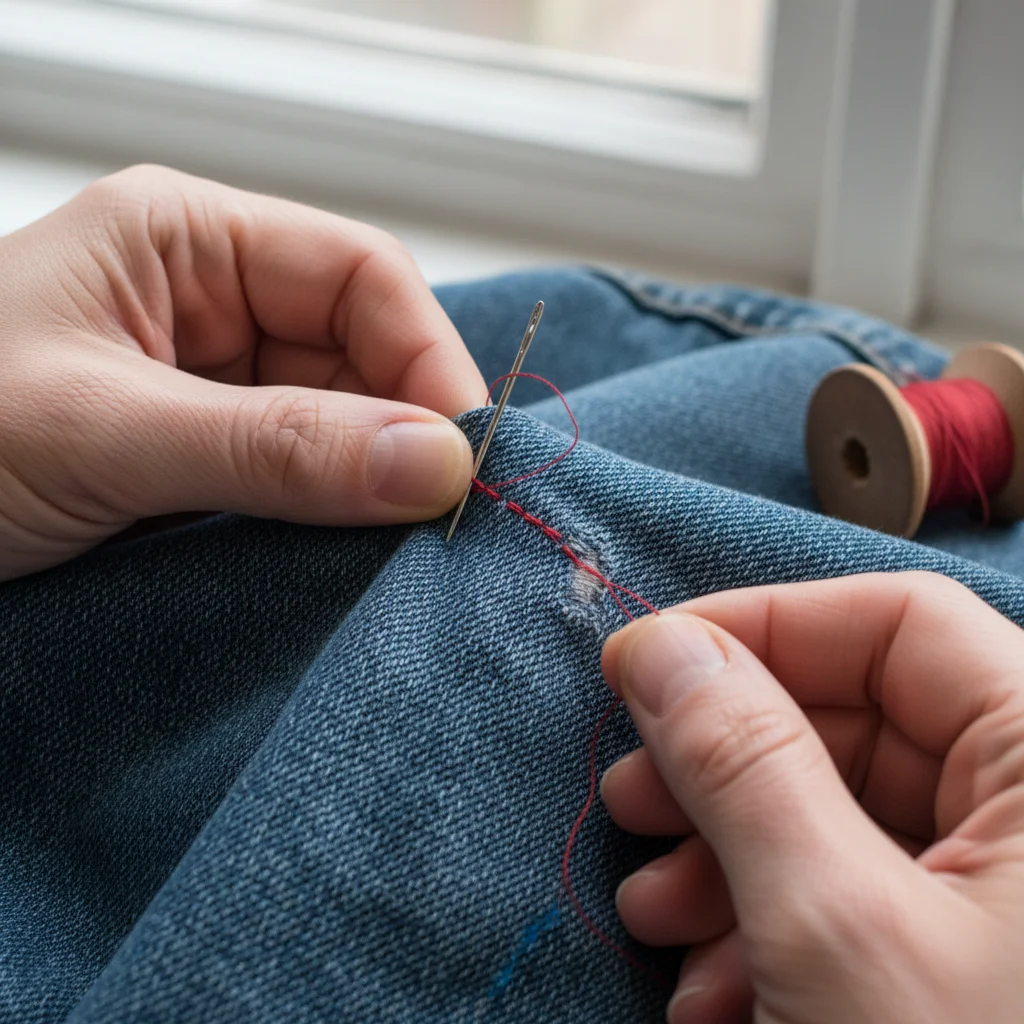
A loose button, a small tear, or a fallen hem doesn’t have to mean the end of a garment’s life. Learning basic sewing skills can save you money and extend the lifespan of your clothes. There are countless online tutorials for mending, patching, and even simple alterations. This skill is invaluable for maximizing sustainable fashion savings.
Upcycle and Customize
Give old clothes a new lease on life by upcycling them. Turn old jeans into shorts, a worn-out t-shirt into a tote bag, or dye a faded item a new color. Customizing with embroidery, patches, or new buttons can also transform a piece you’re tired of into something fresh and exciting.
Step 5: Building a Capsule Wardrobe for Ultimate Efficiency
A capsule wardrobe is a curated collection of versatile, interchangeable clothing items that can be mixed and matched to create numerous outfits. It’s the epitome of efficient and sustainable fashion savings.
Core Principles of a Capsule Wardrobe
- Limited Number of Items: Typically 30-50 pieces, including shoes and accessories (excluding underwear, sleepwear, and activewear).
- Cohesive Color Palette: Choose a base of neutrals (black, white, grey, navy, beige) and add a few accent colors.
- Versatile Pieces: Each item should be able to be styled in multiple ways for different occasions.
- High Quality: As discussed, investing in durable, well-made items is key.
Benefits of a Capsule Wardrobe
- Significant Savings: You buy fewer items, and those you do buy last longer.
- Reduced Decision Fatigue: Getting dressed becomes quicker and easier.
- Less Clutter: A tidy, organized closet.
- Environmental Impact: Less consumption means less waste and fewer resources used.
Transitioning to a capsule wardrobe requires discipline but the rewards, both financial and environmental, are immense.
Measuring Your Sustainable Fashion Savings
To track your progress towards the 30% savings goal, it’s helpful to keep a simple record. For a few months, track your typical clothing expenditure. Then, as you implement these sustainable practices, continue to track your spending. You’ll likely see a noticeable decrease in your monthly or quarterly clothing budget. Don’t forget to factor in the ‘invisible’ savings from not buying impulse items or replacing poorly made garments.
Consider the ‘cost per wear’ metric. When you buy a high-quality item for $150 that you wear 100 times, the cost per wear is $1.50. A fast fashion item for $30 worn 5 times has a cost per wear of $6. The long-term sustainable fashion savings become clear.
Overcoming Challenges and Staying Motivated
Changing long-ingrained shopping habits can be challenging. Here are some tips to stay on track:
- Educate Yourself: Continuously learn about the impact of your choices. Documentaries like ‘The True Cost’ can be powerful motivators.
- Find Your Community: Join online groups or local communities focused on sustainable living and fashion. Share tips, challenges, and successes.
- Set Realistic Goals: Don’t try to overhaul your entire wardrobe overnight. Start with one category, like t-shirts or jeans.
- Celebrate Small Wins: A successful thrift store find, a mended garment, or a month without new purchases are all victories.
- Focus on the ‘Why’: Remind yourself of the environmental benefits, the ethical implications, and the significant sustainable fashion savings you’re accumulating.
The Future of Your Wardrobe and Your Wallet
By 2026, imagine a wardrobe filled with pieces you love, that reflect your values, and that haven’t broken the bank. You’ll not only have achieved substantial financial savings, but you’ll also have contributed to a more ethical and environmentally sound fashion industry. The journey to sustainable fashion savings is a marathon, not a sprint, but every conscious choice you make moves you closer to a more mindful, cost-effective, and impactful way of dressing.
Embracing eco-conscious fashion is a powerful act of personal responsibility and financial empowerment. It’s about making thoughtful choices that resonate beyond your closet, creating a ripple effect of positive change for both your personal finances and the planet. Start today, and watch your savings grow while your environmental footprint shrinks.