Winter 2026 Energy Savings: Cut Heating Costs by 15% with These 4 Practical Solutions (FINANCIAL IMPACT)
As the chill of Winter 2026 begins to loom, many homeowners are already bracing themselves for the inevitable rise in heating costs. With energy prices continuing to fluctuate and often trending upwards, finding effective strategies for winter energy savings is not just about comfort; it’s about significant financial impact. This comprehensive guide will equip you with four practical, actionable solutions designed to help you slash your heating bills by at least 15%, ensuring your home remains warm without emptying your wallet.
The goal isn’t just to survive winter, but to thrive, keeping your household budget healthy. We’ll delve into smart technology, essential home improvements, and crucial maintenance tips that will make a tangible difference to your bottom line. Prepare to transform your home into an energy-efficient fortress against the cold, maximizing your winter energy savings for the seasons to come.
Understanding the Winter Energy Challenge in 2026
Before diving into solutions, it’s crucial to understand the landscape of energy consumption as Winter 2026 approaches. Global events, supply chain issues, and increased demand continue to put pressure on energy markets, translating directly into higher utility bills for consumers. For many households, heating accounts for the largest portion of their annual energy expenditure. This makes optimizing your heating system and home’s thermal envelope the most impactful area for achieving substantial winter energy savings.
The average household spends a significant percentage of its annual income on energy, and a large chunk of that is dedicated to heating during colder months. A 15% reduction isn’t just a number; it can translate to hundreds of dollars saved over a single winter season, freeing up funds for other essential needs or even a much-deserved treat. Our focus here is on achievable, practical steps that don’t require massive upfront investments but yield significant returns.
Solution 1: Embrace Smart Thermostat Technology for Optimized Heating
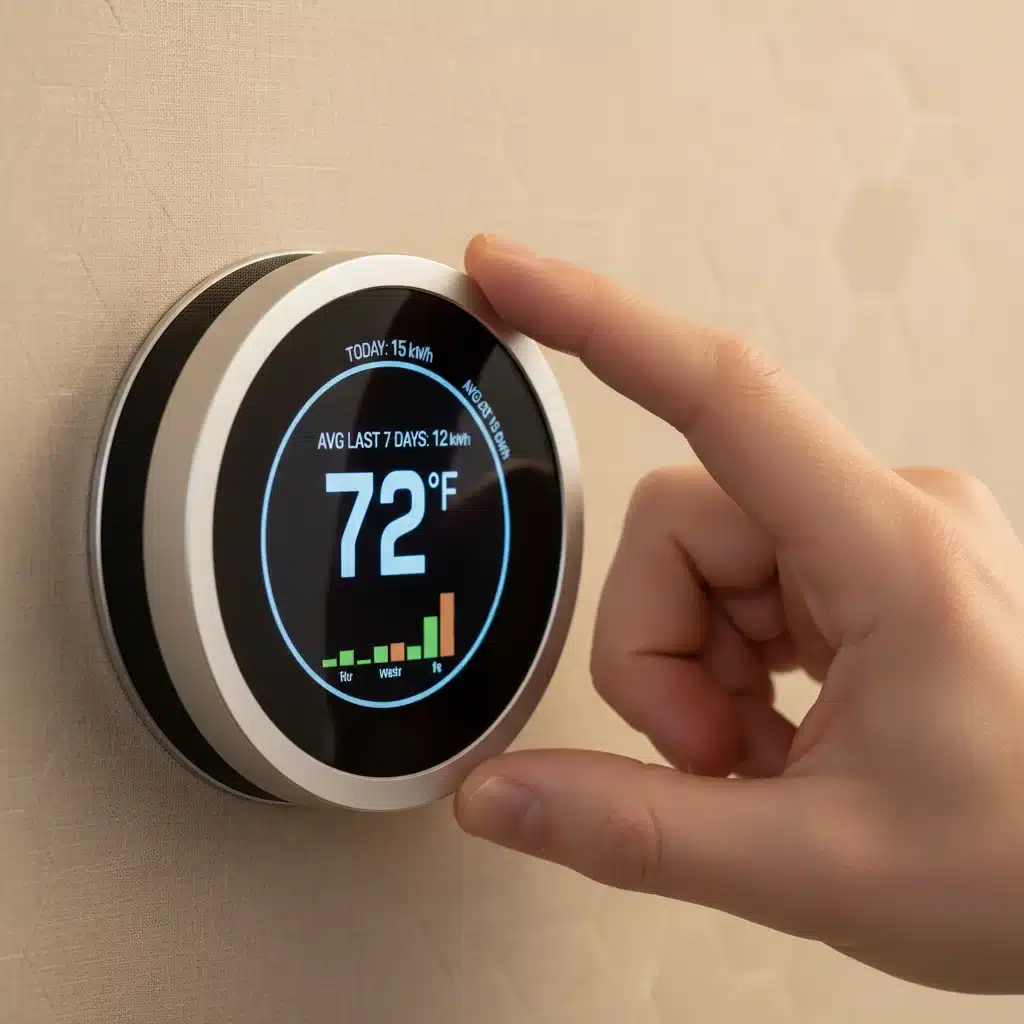
One of the most effective ways to achieve substantial winter energy savings is by upgrading to a smart thermostat. These devices go far beyond traditional programmable thermostats, offering advanced features that learn your habits, adapt to external conditions, and provide precise control over your home’s heating.
How Smart Thermostats Work
Smart thermostats connect to your home’s Wi-Fi network, allowing you to control your heating system remotely via a smartphone app. But their intelligence extends much further:
- Learning Capabilities: Many models learn your preferred temperatures and daily schedules, automatically adjusting heating to match your routine. They can even detect when you’re away and reduce heating to save energy, then warm up your home before you return.
- Geofencing: This feature uses your smartphone’s location to know when you’re leaving or approaching home. The thermostat can automatically adjust the temperature accordingly, ensuring you don’t heat an empty house.
- Energy Usage Reports: Smart thermostats often provide detailed reports on your energy consumption, helping you identify patterns and areas for further optimization. This data is invaluable for ongoing winter energy savings.
- Integration with Other Smart Home Devices: They can often integrate with other smart home systems, such as smart vents or occupancy sensors, for even more granular control and efficiency.
- Weather Responsiveness: Some models can access local weather forecasts and adjust heating strategies to pre-emptively respond to sudden drops in temperature.
Financial Impact and Implementation
Studies have shown that smart thermostats can save homeowners 10-15% on heating costs annually. The initial investment, typically ranging from $100 to $250, often pays for itself within one to two heating seasons. Installation is generally straightforward for those with basic DIY skills, or a professional can install it quickly.
To maximize your winter energy savings with a smart thermostat:
- Set Realistic Schedules: Even with learning capabilities, manually setting an efficient schedule (e.g., lower temperatures when you’re at work or asleep) provides a great baseline.
- Utilize Away Modes: Ensure geofencing or manual ‘away’ settings are active when your home is unoccupied.
- Monitor Energy Reports: Regularly review your energy usage data to fine-tune settings and identify potential inefficiencies.
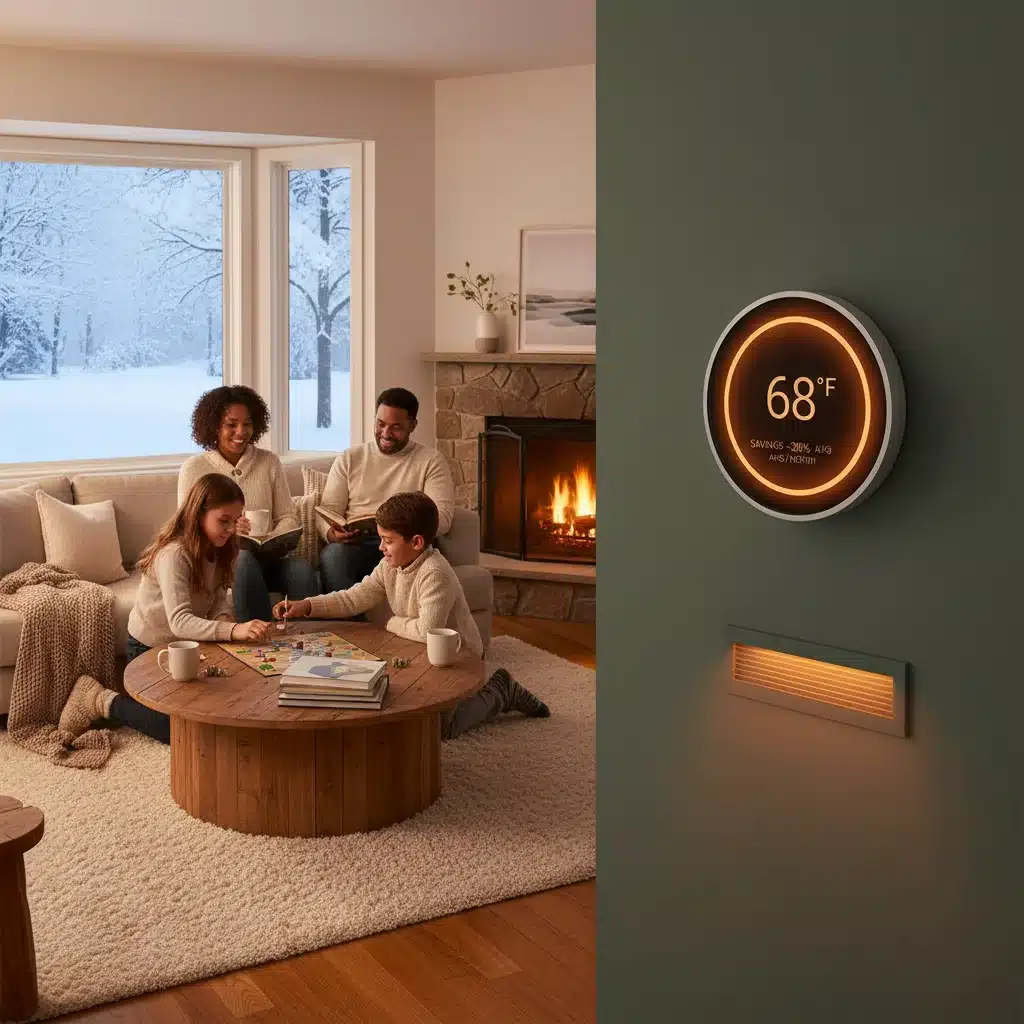
- Don’t Overheat: Aim for a comfortable but not excessive indoor temperature, typically around 68°F (20°C) during the day and lower at night or when away.
Solution 2: Enhance Home Insulation for Superior Heat Retention
Heat loss is a primary culprit behind high heating bills. A well-insulated home acts like a thermal blanket, keeping warm air inside and cold air out. Enhancing your home’s insulation is a foundational step for achieving significant, long-term winter energy savings.
Key Areas for Insulation Improvement
Focus your efforts on these critical areas:
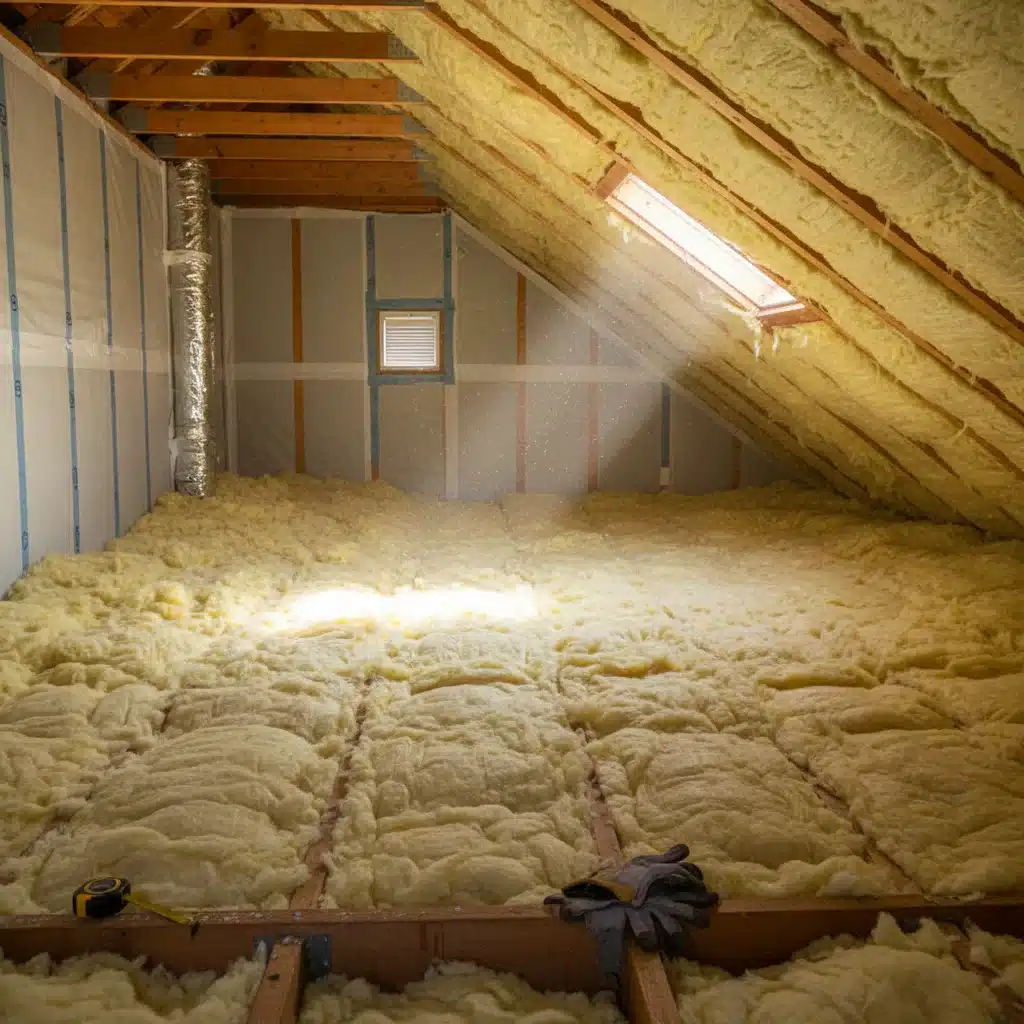
- Attic Insulation: The attic is often the biggest culprit for heat loss, as heat rises. Adding or upgrading attic insulation is one of the most cost-effective improvements. Aim for R-values recommended for your climate zone (check local building codes or energy efficiency guidelines). Materials like fiberglass, cellulose, or spray foam are common choices.
- Wall Insulation: Older homes, in particular, may have inadequate or no wall insulation. Blown-in cellulose or foam can be installed into existing wall cavities without major renovations, significantly reducing heat transfer.
- Basement/Crawl Space Insulation: Insulating basement walls or crawl space ceilings can prevent cold air from seeping up into your living areas. Rigid foam boards are often used for basement walls, while batts or spray foam are suitable for crawl spaces.
- Rim Joist Insulation: The rim joists (where the foundation meets the first floor framing) are often overlooked but can be a major source of air leaks and heat loss. Sealing and insulating these areas with spray foam or rigid foam can make a big difference.
Financial Impact and Implementation
While insulation upgrades can require a more substantial upfront investment than a smart thermostat, the payback period is often excellent, and the financial impact on your winter energy savings is profound. Depending on your home’s current insulation levels and the extent of the upgrades, you could see 10-25% reductions in heating costs. Many regions offer rebates or tax credits for energy-efficient home improvements, further reducing the net cost.
Consider a professional energy audit to identify your home’s specific insulation weaknesses. This will provide a clear roadmap for the most impactful improvements. For attic insulation, many homeowners can perform DIY upgrades, but wall and basement insulation often benefit from professional installation to ensure proper coverage and sealing.
Solution 3: Seal Air Leaks and Drafts Effectively
Even with excellent insulation, air leaks and drafts can undermine your efforts to retain heat, leading to uncomfortable cold spots and wasted energy. Sealing these hidden pathways for air infiltration is a low-cost, high-impact strategy for boosting your winter energy savings.
Identifying and Sealing Common Leak Points
Air leaks typically occur around openings and penetrations in your home’s envelope. Here are the most common culprits and how to address them:
- Windows and Doors:
- Weatherstripping: Apply or replace weatherstripping around the frames of windows and doors to create a tight seal when closed.
- Caulking: Use caulk to seal gaps around window and door frames where they meet the wall. Choose a flexible, paintable caulk for a neat finish.
- Window Film: For older, single-pane windows, apply temporary plastic window film kits. These create an insulating air pocket, significantly reducing heat loss.
- Electrical Outlets and Light Switches: Cold air can seep through the small gaps around electrical boxes on exterior walls. Install foam gaskets behind outlet and switch plates for a quick and easy fix.
- Fireplace Damper: Ensure your fireplace damper is closed when not in use. Consider an inflatable chimney balloon or a top-sealing damper for better sealing.
- Attic Hatches and Pull-Down Stairs: These are often poorly sealed. Add weatherstripping around the hatch opening and consider an insulated cover for pull-down stairs.
- Plumbing and Electrical Penetrations: Check where pipes and wires enter your home (e.g., under sinks, behind appliances, in the basement). Use caulk or expanding foam to seal these gaps.
- Baseboards and Crown Molding: Gaps where walls meet floors or ceilings can allow drafts. A thin bead of caulk can often seal these effectively.
Financial Impact and Implementation
Sealing drafts and air leaks is one of the most affordable ways to achieve significant winter energy savings. Materials like caulk, weatherstripping, and foam gaskets are inexpensive, and most tasks are well within the capabilities of a DIY enthusiast. Depending on how leaky your home is, this can lead to 5-15% savings on your heating bill. The immediate improvement in comfort, eliminating cold drafts, is an added bonus.
A simple way to detect drafts is to use an incense stick or a lit candle on a windy day. Move it around windows, doors, outlets, and other potential leak points. If the smoke wavers or the flame flickers, you’ve found a leak.
Solution 4: Optimize and Maintain Your Heating System Annually
Even the most energy-efficient homes can waste energy if their heating system isn’t running optimally. Regular maintenance and strategic optimization of your furnace, boiler, or heat pump are crucial for maximizing your winter energy savings and extending the life of your equipment.
Essential Maintenance and Optimization Steps
- Annual Professional Tune-Up: Schedule a professional HVAC technician to inspect, clean, and tune your heating system before the cold season sets in. They will check for issues like worn parts, clogged burners, or refrigerant leaks (for heat pumps), ensuring your system runs at peak efficiency. A well-maintained system can be 5-10% more efficient than one that is neglected.
- Replace Air Filters Regularly: This is a simple yet critical DIY task. Clogged air filters restrict airflow, forcing your furnace to work harder and consume more energy. Check your filter monthly and replace it every 1-3 months, or more frequently if you have pets or allergies. This alone can improve efficiency by 5-15%.
- Clear Vents and Radiators: Ensure all heating vents and radiators are unobstructed by furniture, drapes, or carpets. Blocked vents can impede heat distribution, making your system work harder to warm your home.
- Bleed Radiators (for Hot Water Systems): If you have a hot water radiator system, air can become trapped, preventing efficient heat distribution. Bleeding your radiators (releasing trapped air) ensures they heat up properly.
- Consider a System Upgrade (If Applicable): If your heating system is old (15+ years for furnaces, 10+ for heat pumps) and frequently breaks down, it might be time to consider an upgrade to a more energy-efficient model. While a significant investment, modern high-efficiency furnaces or heat pumps can offer substantial long-term winter energy savings and often come with attractive rebates.
- Zone Heating: If your home allows, consider implementing zone heating. This involves heating only the rooms you are using, rather than the entire house. Smart thermostats with zoning capabilities or even portable heaters in specific areas can achieve this, but be mindful of the efficiency of portable heaters.
Financial Impact and Implementation
Maintaining your heating system is an investment that pays dividends in both energy savings and equipment longevity. A professional tune-up typically costs $100-$200, but the potential 5-10% in winter energy savings, coupled with reduced repair costs and a longer system lifespan, makes it a worthwhile expense. Regular filter changes are very low cost and offer excellent returns.
By proactively maintaining your system, you ensure it operates at its highest efficiency, directly contributing to lower utility bills and a more comfortable home throughout Winter 2026.
Putting It All Together: Maximizing Your Winter Energy Savings
Achieving a 15% (or more!) reduction in your heating costs for Winter 2026 isn’t a pipe dream; it’s an attainable goal through a combination of these four practical solutions. Each strategy, when implemented, contributes to a more energy-efficient home and a healthier financial outlook.
- Smart Thermostats: Offer intelligent, automated control and significant savings through optimized scheduling and remote management.
- Enhanced Insulation: Creates a robust thermal barrier, drastically reducing heat loss through your attic, walls, and foundation.
- Air Sealing: Eliminates drafts and leaks, preventing warm air from escaping and cold air from entering through cracks and gaps.
- System Maintenance: Ensures your heating equipment runs at peak efficiency, preventing wasted energy and costly breakdowns.
The beauty of these solutions is their synergistic effect. A smart thermostat paired with a well-insulated, sealed home and an efficiently running furnace will yield far greater winter energy savings than any single strategy alone. Start with the easiest and most affordable options, like sealing drafts and changing filters, and then gradually move towards bigger projects like insulation upgrades or smart thermostat installation.
Beyond the 4 Solutions: Additional Tips for Winter Energy Savings
While the four core solutions provide the most significant impact, here are a few extra tips to further boost your winter energy savings:
- Utilize Natural Sunlight: Open curtains and blinds on south-facing windows during the day to let in free solar heat. Close them at night to add an extra layer of insulation.
- Dress Warmer Indoors: This simple behavioral change can allow you to comfortably lower your thermostat by a degree or two, leading to noticeable savings.
- Use Area Rugs: Especially on hard floors, area rugs can add a layer of insulation and make rooms feel warmer.
- Run Ceiling Fans in Reverse: In winter, set your ceiling fans to run clockwise at a low speed. This pushes warm air that rises to the ceiling back down into the living space.
- Consider a Humidifier: Humid air feels warmer than dry air at the same temperature. Adding a humidifier can allow you to set your thermostat slightly lower while maintaining comfort.
- Unplug Phantom Loads: Electronics plugged in even when not in use can draw small amounts of power. Unplugging them can contribute to overall energy savings.
The Financial and Environmental Benefits of Winter Energy Savings
Implementing these strategies offers a dual benefit. Financially, the direct reduction in your utility bills provides immediate relief and long-term savings. This extra cash can be reallocated to other household needs, savings, or even leisure activities. Environmentally, reducing your energy consumption means a smaller carbon footprint, contributing to a more sustainable future. Every degree you save, every draft you seal, and every efficient setting you implement helps reduce demand on energy grids and lessens reliance on fossil fuels.
Conclusion: A Warmer Home and a Healthier Wallet for Winter 2026
Preparing for Winter 2026 doesn’t have to be a source of dread over impending heating bills. By adopting these four practical solutions – leveraging smart thermostats, enhancing insulation, sealing air leaks, and maintaining your heating system – you can confidently expect to cut your heating costs by 15% or more. The financial impact is significant, providing peace of mind and greater control over your household budget.
Start planning your winter energy savings strategy today. A little effort now will translate into a much more comfortable and affordable winter, ensuring your home is a haven of warmth and efficiency. Don’t let the cold catch you unprepared; empower yourself with these proven methods for substantial savings.