Embrace Minimalism: Declutter Your Life & Boost Savings by 25% Annually
Embrace Minimalism: Declutter Your Life & Boost Savings by 25% Annually
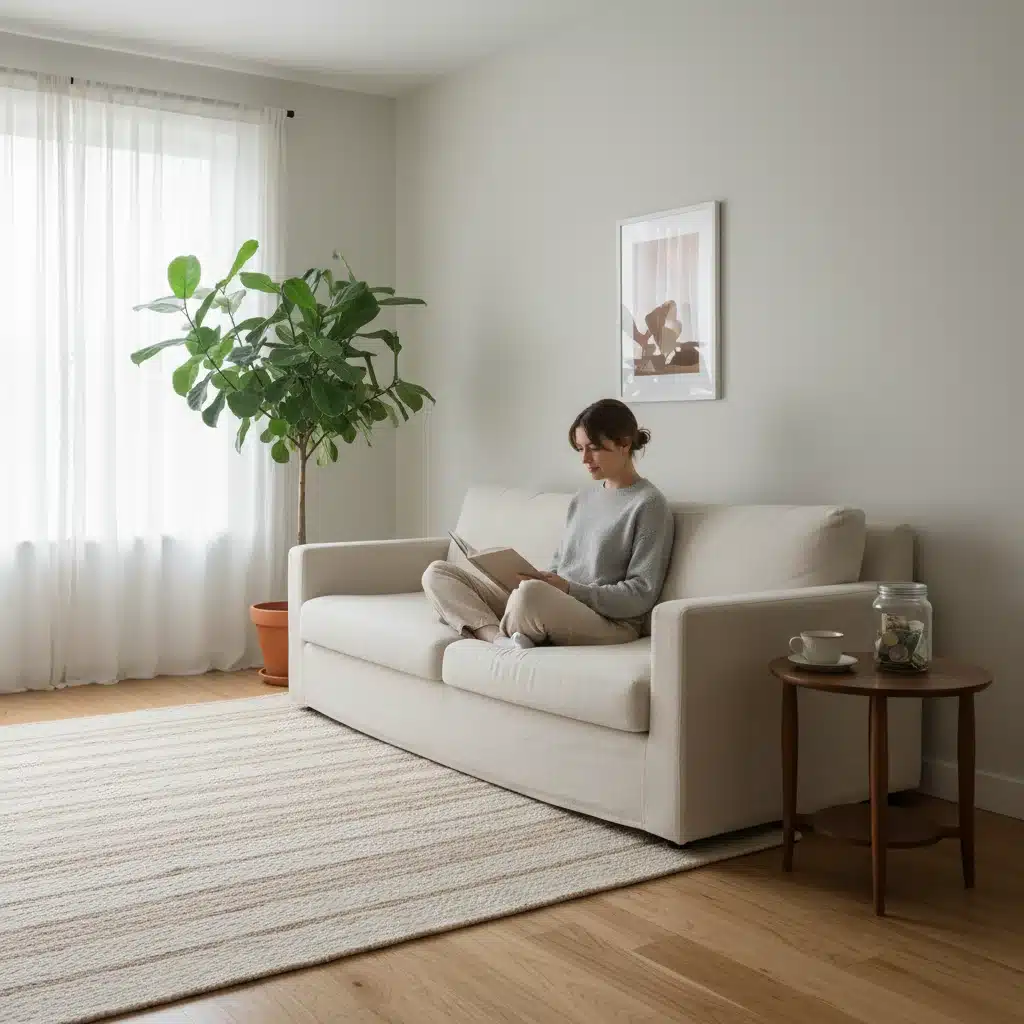
In a world constantly pushing us to acquire more, the idea of owning less might seem counterintuitive. Yet, a growing movement champions the profound benefits of a minimalist lifestyle. Far from being about deprivation, minimalism is about intentionality – carefully choosing what adds value to your life and letting go of the rest. This isn’t just a trend; it’s a powerful philosophy that can dramatically reduce stress, enhance well-being, and, perhaps most surprisingly, significantly boost your financial health. Imagine saving up to 25% of your annual income by 2026 simply by adopting a more conscious approach to consumption. This article will guide you through the transformative journey of embracing a minimalist lifestyle, helping you declutter your life and unlock substantial financial freedom.
The allure of minimalism extends beyond aesthetics. It’s a holistic approach that impacts every facet of your existence, from your physical surroundings to your mental clarity and, crucially, your bank account. The average person spends a considerable portion of their income on things they don’t truly need, leading to financial strain and a never-ending cycle of wanting more. By understanding and implementing the core tenets of a minimalist lifestyle, you can break free from this cycle, reclaim your space, time, and money, and pave the way for a more fulfilling future. Our goal is to illustrate how this profound shift can lead to tangible savings, empowering you to reach your financial aspirations sooner than you ever thought possible.
The Core Philosophy of a Minimalist Lifestyle: More Than Just Less Stuff
At its heart, a minimalist lifestyle is not about emptying your home or living with only a few items. It’s about intentional living – identifying what you truly value and removing everything that distracts from it. This philosophy encourages you to question every possession, every commitment, and every expenditure. Does this item serve a purpose? Does it bring me joy? Is it essential for my well-being or goals? If the answer is no, then perhaps it doesn’t belong in your life.
This introspection is crucial. Many of us accumulate possessions out of habit, societal pressure, or a mistaken belief that more equals happiness. Minimalism challenges this notion, suggesting that true contentment comes from within, not from external acquisitions. By consciously curating your environment, you create space – not just physical space, but mental and emotional space. This newfound clarity allows you to focus on experiences, relationships, personal growth, and financial goals, rather than being constantly burdened by the upkeep and pursuit of material goods.
The journey into a minimalist lifestyle often begins with decluttering, but it quickly evolves into a deeper examination of one’s values and priorities. It’s about simplifying your life to make room for what truly matters. This could mean reducing your wardrobe to versatile essentials, digital decluttering your online life, or even streamlining your daily routines. The beauty of minimalism is its adaptability; there’s no single right way to be a minimalist. It’s a personal journey tailored to your unique needs and aspirations.
Unpacking the Financial Benefits of a Minimalist Lifestyle
While the aesthetic and psychological benefits of a minimalist lifestyle are compelling, its financial impact is often the most surprising and motivating factor for many. The direct correlation between conscious consumption and increased savings is undeniable. By adopting minimalist principles, you inherently reduce unnecessary spending, leading to a significant boost in your financial reserves. Our projection of saving up to 25% annually by 2026 is not an exaggeration; it’s an achievable goal for those committed to this path.
Reduced Spending on Material Possessions
The most obvious financial benefit is the drastic reduction in spending on material goods. When you commit to owning less, you stop buying things you don’t need. This means fewer impulse purchases, less shopping for entertainment, and a more discerning approach to every item you bring into your home. Consider the cumulative cost of clothes you rarely wear, gadgets that sit unused, or decorative items that gather dust. Eliminating these purchases frees up substantial capital.
Lower Maintenance and Associated Costs
More possessions often mean more expenses. Larger homes to store items, higher utility bills for heating/cooling unused rooms, increased insurance premiums, and the constant need for repairs or upgrades all contribute to financial drain. A minimalist lifestyle naturally leads to smaller living spaces, fewer items to maintain, and a reduced need for costly storage solutions. This translates into lower housing costs, less spent on cleaning supplies, and fewer repair bills.
Increased Savings and Investment Potential
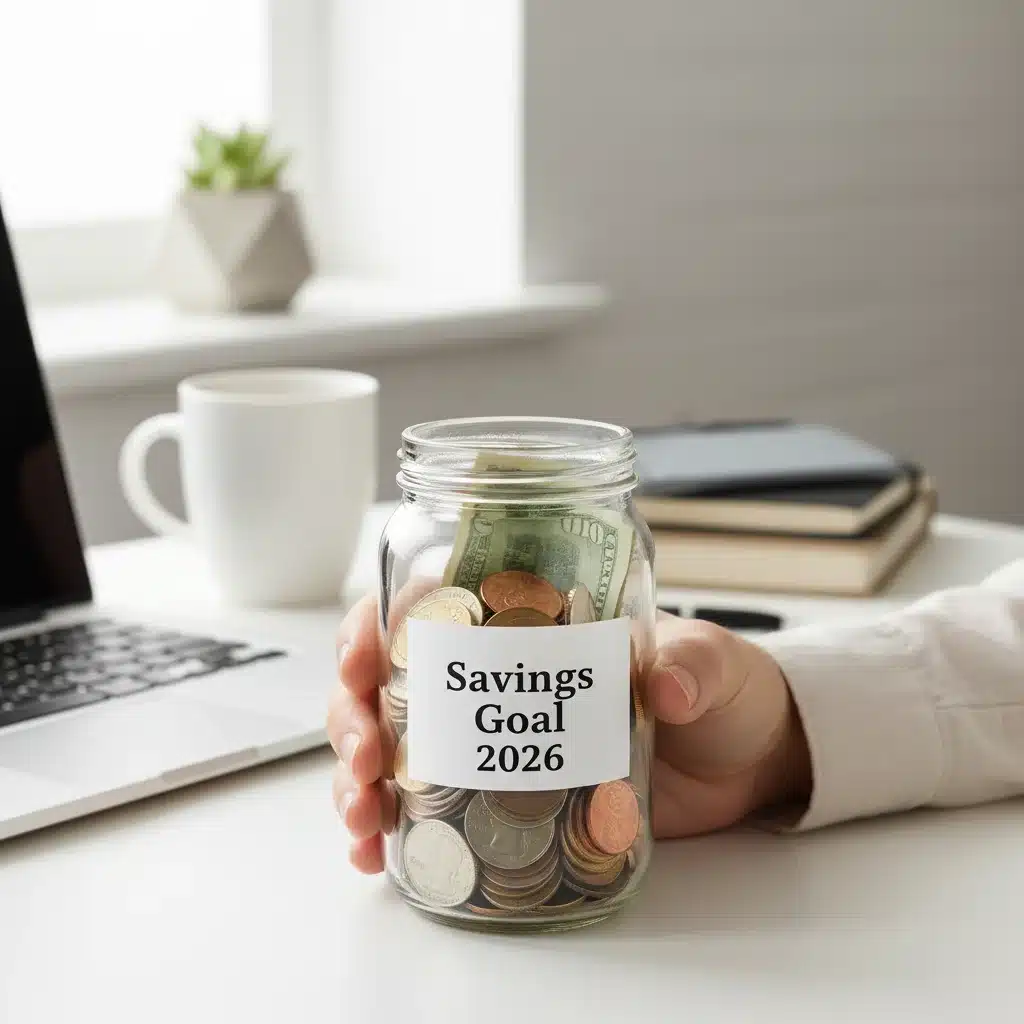
The money saved from reduced spending and lower maintenance costs doesn’t just sit idle; it can be strategically channeled towards your financial goals. Whether it’s building an emergency fund, paying off debt, investing for retirement, or saving for a down payment, the surplus generated by a minimalist lifestyle accelerates your progress. Imagine diverting 10-25% of your income, previously spent on non-essentials, directly into investments. The power of compound interest over time can transform your financial future.
Mindful Consumption and Quality over Quantity
Minimalism encourages a shift from quantity to quality. Instead of buying multiple cheap items that quickly break or go out of style, you invest in fewer, well-made, durable products. While the initial cost might be higher, the long-term savings are significant. Quality items last longer, require less frequent replacement, and often retain better resale value. This mindful approach to consumption not only saves money but also reduces waste, aligning with sustainable living principles.
Reduced Stress and Improved Decision-Making
Financial stress is a major contributor to overall anxiety. By simplifying your finances through a minimalist lifestyle, you reduce the pressure of keeping up with consumer trends and the burden of debt. This newfound peace of mind allows for clearer decision-making, both financially and in other areas of your life. When your mind isn’t preoccupied with material wants, you can focus on opportunities for growth, learning, and genuine enjoyment.
Practical Steps to Embrace a Minimalist Lifestyle and Boost Your Savings
Embarking on a minimalist lifestyle doesn’t require drastic, overnight changes. It’s a gradual process of conscious choices and intentional habits. Here are practical steps you can take to declutter your life and start seeing significant savings:
1. The Initial Declutter: Start Small, Think Big
Don’t try to declutter your entire home in one weekend. Begin with one manageable area: a single drawer, a bookshelf, or your wardrobe. Use the ‘KonMari’ method: gather all items from that category, hold each one, and ask, “Does this spark joy?” If not, thank it for its service and let it go. Create three piles: Keep, Donate/Sell, and Trash. Be ruthless but realistic. The goal is to remove items that don’t serve a purpose or bring you happiness.
2. The One-In, One-Out Rule
To prevent re-accumulation, adopt the ‘one-in, one-out’ rule. For every new item you bring into your home, one similar item must leave. Buying a new shirt? Donate an old one. Getting a new book? Give one away. This simple rule helps maintain balance and prevents your space from becoming re-cluttered.
3. Digital Decluttering
Minimalism isn’t just about physical items. Your digital life can be just as cluttered and draining. Delete unused apps, unsubscribe from unwanted emails, organize your digital files, and limit social media consumption. A decluttered digital space can lead to improved focus and less screen time, freeing up valuable time for other pursuits.
4. Mindful Spending: The 30-Day Rule
Before making any non-essential purchase, implement a 30-day waiting period. If you still feel the need for the item after 30 days, then consider buying it. Often, the urge passes, and you realize you didn’t need it after all. This practice significantly reduces impulse buys and helps you differentiate between wants and needs.
5. Prioritize Experiences Over Possessions
Shift your focus from acquiring things to accumulating experiences. Instead of buying a new gadget, save that money for a trip, a class, or a memorable outing with loved ones. Experiences often provide more lasting joy and create richer memories than material possessions. This is a cornerstone of the minimalist lifestyle and a powerful driver of financial freedom.

6. Track Your Spending and Set Financial Goals
To truly understand the financial impact of your minimalist lifestyle, track your spending. Use budgeting apps or spreadsheets to monitor where your money goes. Set clear financial goals – whether it’s saving a specific amount, paying off debt, or investing. Seeing your progress will be a powerful motivator to continue your minimalist journey and achieve your 25% annual savings target.
7. Embrace Secondhand and Quality
When you do need to acquire something, consider buying secondhand first. Thrift stores, consignment shops, and online marketplaces offer excellent quality items at a fraction of the price. When buying new, prioritize quality and durability over cheapness. Investing in well-made items means they’ll last longer, saving you money in the long run and reducing waste.
The Long-Term Impact of a Minimalist Lifestyle on Your Well-being and Finances
Adopting a minimalist lifestyle is not a temporary fix; it’s a profound shift in mindset that yields enduring benefits. Beyond the immediate satisfaction of a decluttered home and a healthier bank account, the long-term impact on your overall well-being is transformative.
Reduced Stress and Anxiety
A cluttered environment often leads to a cluttered mind. By simplifying your surroundings, you create a sense of calm and order, which directly reduces stress and anxiety. Less stuff means less to organize, clean, and worry about. This mental clarity allows you to be more present and enjoy life’s simple pleasures.
More Time and Energy
Think about the time and energy spent shopping, organizing, cleaning, and maintaining possessions. A minimalist lifestyle significantly reduces these demands, freeing up valuable time and energy. This extra capacity can be redirected towards hobbies, personal development, spending time with loved ones, or pursuing passions that truly enrich your life.
Environmental Benefits
Minimalism inherently promotes sustainable living. By consuming less and prioritizing quality, you reduce your environmental footprint. Less demand for new products means less manufacturing, fewer resources consumed, and less waste generated. This conscious approach contributes positively to the planet, aligning your personal values with global responsibility.
Greater Financial Freedom and Security
The consistent savings generated by a minimalist lifestyle build a strong financial foundation. As you accumulate savings and potentially reduce debt, you gain greater financial freedom and security. This means having the buffer to handle unexpected expenses, the ability to pursue career changes without financial strain, and the peace of mind that comes from knowing you’re prepared for the future. Achieving a 25% annual savings rate by 2026 can translate into early retirement, significant investments, or the ability to pursue dream opportunities.
Enhanced Focus and Purpose
When you strip away the unnecessary, what remains are the essentials – the things that truly matter. This clarity helps you identify your core values and purpose. With fewer distractions, you can devote your energy and resources to what genuinely aligns with your life goals, leading to a more focused and purposeful existence. This intentional living is a hallmark of a successful minimalist lifestyle.
Overcoming Challenges on Your Minimalist Journey
While the benefits are clear, adopting a minimalist lifestyle can present challenges. It requires a shift in mindset and often goes against societal norms. Here are some common hurdles and how to overcome them:
Emotional Attachment to Possessions
It’s natural to have emotional attachments to certain items. When decluttering, acknowledge these feelings. Take photos of sentimental items you can’t keep, or keep a small ‘memory box’ for truly irreplaceable objects. Remember, memories reside in your heart, not in the objects themselves.
Societal Pressure and Consumerism
We are constantly bombarded with messages to buy more. It takes conscious effort to resist this pressure. Surround yourself with like-minded individuals, limit exposure to advertising, and remind yourself of your financial and well-being goals. Your minimalist lifestyle is a personal choice that brings you joy, not a competition.
Starting and Maintaining Momentum
The initial decluttering can feel overwhelming. Break it down into small, manageable tasks. Celebrate small victories. To maintain momentum, regularly reassess your possessions and spending habits. A quarterly review can help ensure you stay on track with your minimalist principles and financial goals.
Dealing with Others’ Expectations
Family and friends might not understand your minimalist choices. Be patient and communicate your reasons clearly. Focus on the positive impacts on your life – more time, less stress, financial freedom. Lead by example; they may eventually be inspired by your newfound peace and prosperity.
Conclusion: Your Path to a Richer Life Through a Minimalist Lifestyle
Embracing a minimalist lifestyle is more than just decluttering; it’s a transformative journey towards intentional living, reduced stress, and profound financial freedom. By consciously choosing what you allow into your life – both physically and mentally – you open doors to a richer, more meaningful existence. The goal of saving up to 25% of your annual income by 2026 is not merely a financial target; it’s a testament to the power of mindful consumption and the liberating potential of living with less.
Begin your journey today by taking small, deliberate steps. Question your purchases, declutter your space, and prioritize experiences over possessions. As you shed the weight of unnecessary belongings and endless consumer desires, you’ll discover a newfound clarity, peace, and financial resilience. The minimalist lifestyle offers a powerful antidote to the demands of modern life, enabling you to build a future that is not only financially secure but also deeply fulfilling and aligned with your true values. Start small, stay consistent, and watch as your life transforms, one intentional choice at a time.