Third Space Home Design: Sanctuary for 2026 Living
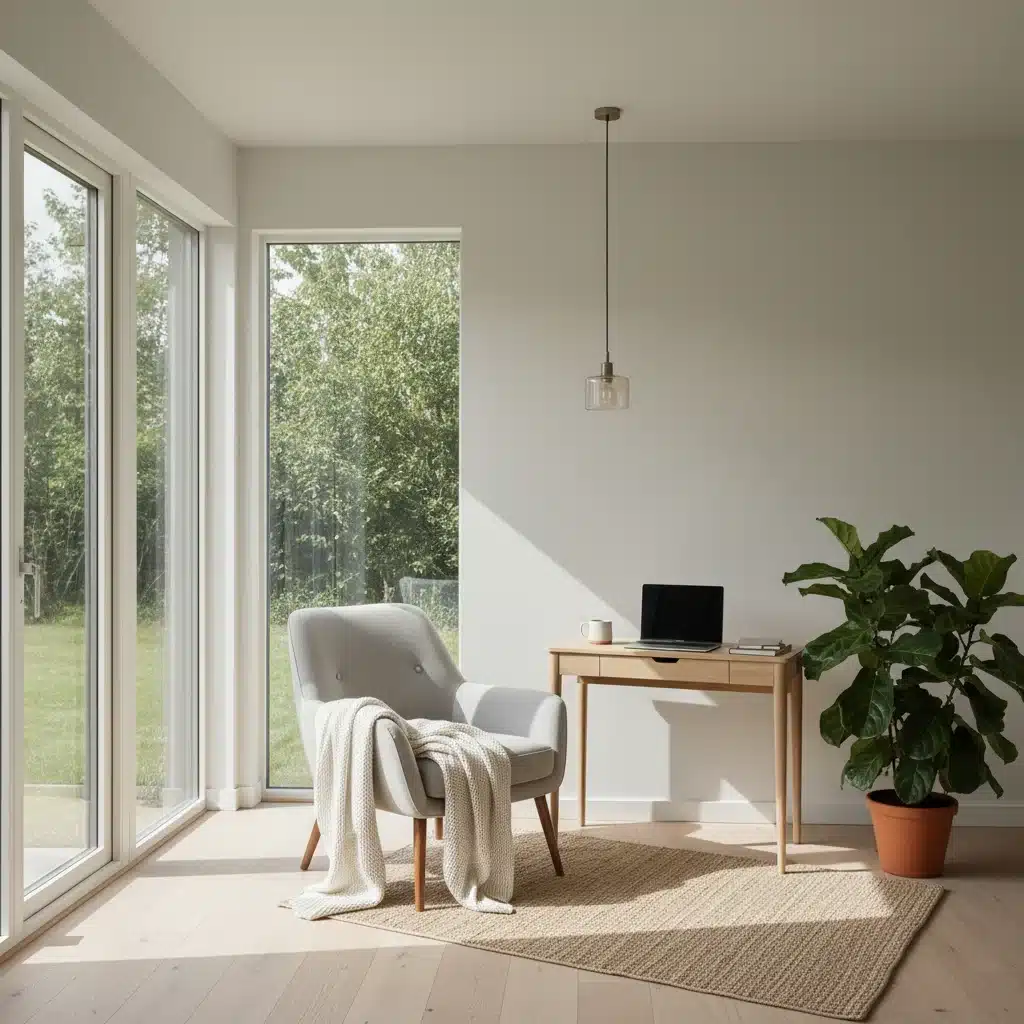
Creating a ‘Third Space’: 5 Ways to Design a Sanctuary for Relaxation and Productivity in Your 2026 Home
In the rapidly evolving landscape of modern living, our homes have become more than just places to eat and sleep. They are now dynamic hubs for work, family life, entertainment, and personal growth. As we look towards 2026, the concept of a ‘third space’ within the home is gaining unprecedented traction. But what exactly is a ‘third space,’ and why is it becoming so crucial for our well-being and productivity?
A ‘third space’ is a concept traditionally attributed to sociologist Ray Oldenburg, who defined it as a place separate from home (the first space) and work (the second space) where individuals can relax, socialize, and find a sense of community. Think coffee shops, libraries, parks, or community centers. However, in an era marked by increased remote work, flexible schedules, and a growing desire for personal sanctuary, the ‘third space’ has undergone a fascinating transformation, moving from external environments to an integral part of our domestic architecture. Our homes are now being asked to do more, to offer not just shelter but also dedicated zones for introspection, creativity, and focused work, distinct from the main living areas.
The modern ‘third space’ in your home is a personalized retreat – a deliberate design choice to carve out a sanctuary that fosters both relaxation and productivity. It’s a place where you can escape the demands of daily life, whether that means diving deep into a creative project, meditating, reading a book, or simply enjoying a moment of quiet contemplation. It’s about intentional design that supports your mental and emotional well-being, acknowledging that a balanced life requires dedicated spaces for different activities and states of mind. As we approach 2026, the need for such zones becomes even more pronounced, as the lines between work and home continue to blur, and the importance of digital detox and mindfulness grows.
This comprehensive guide will explore five essential strategies for designing your own invaluable ‘third space’ within your 2026 home. We’ll delve into practical design elements, psychological considerations, and innovative solutions to help you craft a personal haven that truly supports your unique needs and aspirations. Get ready to transform a corner of your home into a powerful engine for both tranquility and achievement.
1. Define Your ‘Third Space’ Purpose: Relaxation, Productivity, or Both?
Before you even think about paint swatches or furniture, the most critical step in creating your ideal third space home is to clearly define its primary purpose. Is this space predominantly for unwinding and de-stressing, a true sanctuary from the world? Or is it intended to be a hub for focused work, creative endeavors, or learning? Perhaps, like many modern homeowners, you envision a flexible zone that can adapt to both relaxation and productivity. Understanding this fundamental purpose will dictate every subsequent design decision, from lighting and acoustics to furniture and decor.
The Relaxation-Focused Third Space
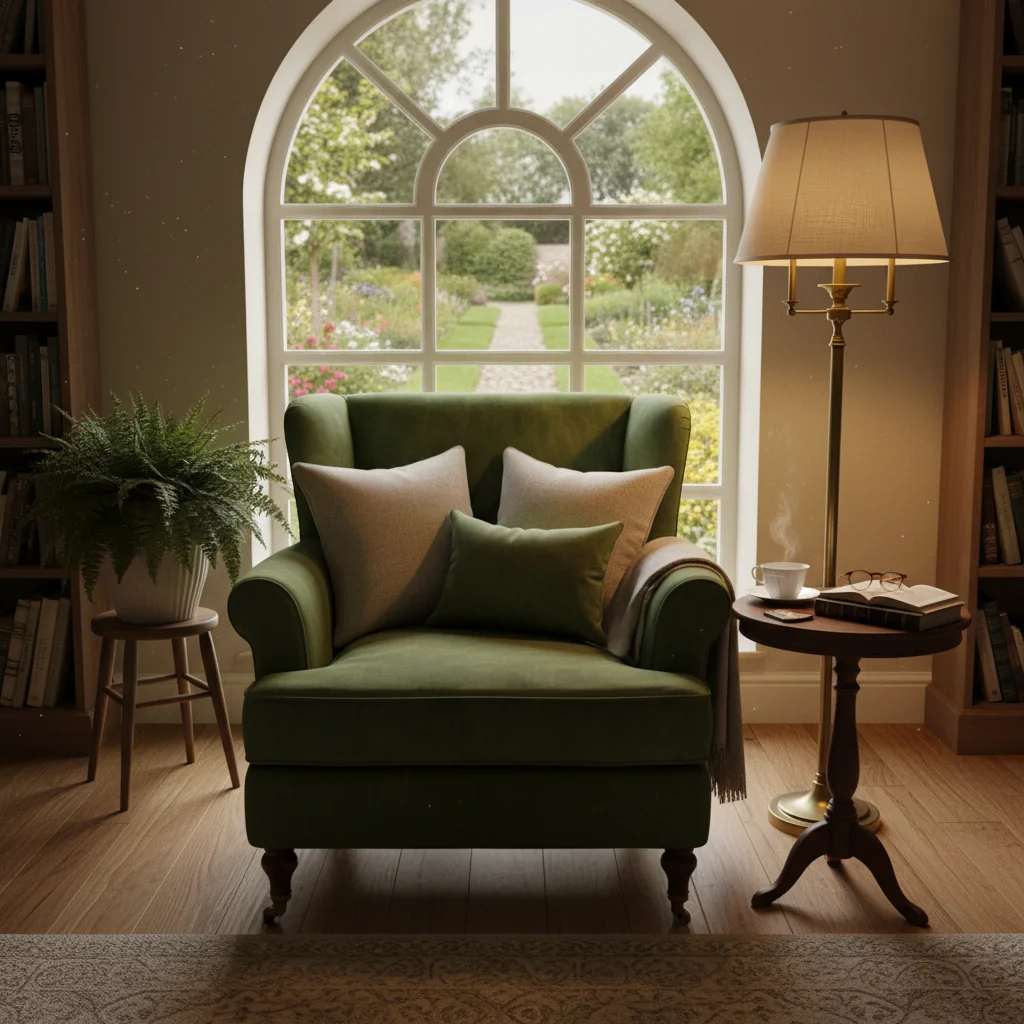
If relaxation is your main goal, think about creating an environment that promotes calm, comfort, and sensory delight. This might be a reading nook, a meditation corner, a yoga studio, or simply a quiet lounge area. Key elements would include:
- Comfortable Seating: A plush armchair, a chaise lounge, or floor cushions that invite you to sink in and unwind.
- Soft Lighting: Dimmers, ambient lamps, and natural light are crucial. Avoid harsh overhead lighting.
- Soothing Colors: Earthy tones, pastels, and cool blues or greens are known to promote tranquility.
- Minimal Clutter: A clean, organized space helps clear the mind.
- Sensory Elements: Aromatherapy diffusers, soft throws, calm music, and plants can enhance the relaxing atmosphere.
- Privacy: Consider a spot away from high-traffic areas of the home, perhaps with a door or a visual divider.
The Productivity-Focused Third Space
For those needing a dedicated area for work, study, or creative projects, the focus shifts to functionality, organization, and inspiration. This could be a home office, an art studio, a writing desk, or a dedicated crafting zone. Consider:
- Ergonomic Furniture: A comfortable chair and a desk at the right height are non-negotiable for sustained work.
- Task Lighting: Bright, adjustable lighting (like a desk lamp) to reduce eye strain.
- Storage Solutions: Shelves, drawers, and organizational tools to keep materials tidy and accessible.
- Inspirational Decor: Artwork, vision boards, or objects that spark creativity and motivation.
- Sound Control: Noise-canceling headphones, sound-absorbing panels, or a location away from household noise.
- Connectivity: Reliable Wi-Fi and ample power outlets for devices.
The Hybrid Third Space: Best of Both Worlds
Many homeowners in 2026 will seek a ‘third space’ that seamlessly transitions between relaxation and productivity. This requires thoughtful planning and versatile design. For example, a comfortable daybed could serve as a reading spot by day and a brainstorming area with a lap desk when inspiration strikes. A modular shelving unit can hold both work-related documents and decorative items that promote calm. Adaptable lighting, movable furniture, and smart storage are key to making a hybrid space successful. The key is to ensure that the elements for one function don’t detract from the other. For instance, while a minimalist aesthetic is great for focus, a touch of softness can still be incorporated through textiles or plants without creating clutter.
By clearly defining the primary function of your third space home, you lay the groundwork for a design that truly serves your needs and enhances your daily life. This initial introspection is perhaps the most powerful tool in crafting a space that is not just aesthetically pleasing, but deeply functional and personally enriching.
2. Location, Location, Location: Finding Your Perfect Nook
Once you’ve clarified the purpose of your third space home, the next crucial step is identifying the ideal location within your existing home. This isn’t just about finding an empty corner; it’s about understanding the flow of your home, natural light patterns, noise levels, and how different areas might impact the intended function of your sanctuary. A well-chosen location can significantly amplify the benefits of your ‘third space,’ while a poorly chosen one might render it underutilized.
Assessing Your Home’s Layout
Start by walking through your home with a fresh perspective. Look for underutilized areas, awkward corners, or even spaces that are currently serving a redundant purpose. Common locations for a ‘third space’ include:
- Spare Bedrooms: The most obvious choice, offering a dedicated room that can be fully customized.
- Attics or Basements: Often overlooked, these spaces can be transformed into quiet, secluded retreats, though they might require more renovation.
- Walk-in Closets: A surprisingly effective compact solution for a reading nook or a small, private workspace.
- Large Landings or Hallways: If wide enough, these areas can host a small desk or a cozy armchair, creating an unexpected pause point.
- Beneath a Staircase: An often-wasted space that can become a charming, intimate hideaway.
- Alcoves or Bay Windows: Naturally inviting spots perfect for built-in seating and a view.
- Corners of Open-Plan Living Areas: While challenging, clever use of screens, rugs, or furniture arrangement can define a ‘third space’ even in an open layout.
Considering Natural Light and Views
Natural light is a powerful mood enhancer and can significantly impact both relaxation and productivity. A space with ample natural light can boost energy levels, improve focus, and reduce eye strain. If your ‘third space’ is for relaxation, a window overlooking a garden or a serene view can be incredibly calming. For productivity, natural light is equally beneficial, but ensure you have blinds or curtains to manage glare on screens. If natural light is limited, artificial lighting becomes even more critical (see section 4).
Managing Noise and Privacy
The level of privacy and quiet needed will heavily depend on your ‘third space’s’ purpose. A meditation room requires maximum quiet, while a creative studio might tolerate some background hum. Consider:
- Proximity to High-Traffic Areas: Avoid placing a relaxation zone directly next to a busy kitchen or children’s play area.
- Soundproofing: For truly quiet spaces, consider adding insulation, thicker doors, or sound-absorbing panels.
- Visual Barriers: Even in an open-plan setting, screens, tall bookshelves, or strategic furniture placement can create a sense of enclosure and privacy.
- Headphones: A simple, effective tool for minimizing distractions in less private locations.
Ultimately, the best location for your third space home is one that feels naturally conducive to its intended purpose. It should be a place you are drawn to, a spot that offers a sense of escape and allows you to fully engage in your chosen activity without constant interruption. Don’t be afraid to think creatively and reimagine existing spaces in your home. Sometimes, the most unexpected nook can become your most cherished sanctuary.
3. Smart Furniture and Flexible Layouts for the Modern Home
In 2026, home design is all about maximizing utility without sacrificing aesthetics. When crafting your third space home, smart furniture and flexible layouts are not just trends; they are essential tools for creating a dynamic, adaptable sanctuary. Whether you have a sprawling mansion or a compact apartment, clever furniture choices can make a significant difference in how effectively your ‘third space’ functions and feels.
Multifunctional Furniture: The Cornerstone of Flexibility
The hallmark of a well-designed ‘third space’ is its ability to adapt. Multifunctional furniture allows you to transition between different activities seamlessly, especially if your space needs to serve both relaxation and productivity. Consider:
- Sofa Beds or Daybeds: Perfect for a reading nook that can double as an occasional guest bed or a comfortable spot for a midday nap.
- Convertible Desks: Desks that can fold away, adjust in height (sit-stand), or even transform into a console table when not in use.
- Storage Ottomans: Provide extra seating, a footrest, and hidden storage for blankets, books, or work supplies.
- Modular Shelving Units: Can be rearranged to suit changing needs, offering both display and storage options.
- Nesting Tables: Offer flexible surface area that can be expanded when needed and tucked away to save space.
These pieces are designed to work harder, ensuring that your third space home remains uncluttered and efficient, regardless of its current function.
Layout Strategies for Adaptability
Beyond individual furniture pieces, the overall layout of your ‘third space’ should promote flexibility. Think about:
- Zoning with Rugs: Even in an open-plan area, a well-placed rug can define your ‘third space’ as a distinct zone without the need for physical walls.
- Movable Partitions: Screens, tall plants, or even freestanding bookshelves can act as temporary dividers, offering privacy when needed and opening up the space when desired.
- Wheeled Furniture: Desks or carts on wheels allow you to easily reconfigure the layout, moving items closer to a window for natural light or tucking them away when the space needs to be cleared.
- Built-in Solutions: Custom built-ins can maximize space efficiency, providing integrated storage, seating, or desk surfaces that fit perfectly into awkward nooks.
The goal is to create a fluid environment that can respond to your evolving needs throughout the day or week. A third space home that feels rigid or static will quickly lose its appeal. By embracing smart furniture and flexible layouts, you empower your sanctuary to truly adapt to you, rather than the other way around.
4. Harnessing Light, Sound, and Scent: Creating a Multi-Sensory Experience
A truly effective third space home goes beyond visual aesthetics; it engages all the senses to create an immersive and supportive environment. By thoughtfully integrating light, sound, and scent, you can profoundly influence your mood, focus, and overall sense of well-being within your personal sanctuary. This holistic approach ensures that your ‘third space’ is not just a room, but an experience.
The Power of Light: Illumination for Mood and Task
Lighting is arguably the most critical sensory element. It affects everything from our circadian rhythms to our ability to concentrate. In your ‘third space,’ aim for a layered lighting scheme:
- Natural Light: Maximize it whenever possible. Position your space to benefit from windows, and use sheer curtains or blinds to control glare without blocking all light.
- Ambient Lighting: This is your general, soft illumination. Think ceiling fixtures with dimmers, floor lamps, or wall sconces that cast a warm glow. Warm light (lower Kelvin temperature) is ideal for relaxation, while cooler light (higher Kelvin) can promote alertness.
- Task Lighting: Essential for productivity. A good desk lamp or reading lamp provides focused illumination where you need it, preventing eye strain.
- Accent Lighting: Used to highlight architectural features, artwork, or plants, adding depth and visual interest.
- Smart Lighting: Consider smart bulbs that allow you to change color temperature and brightness via an app, adapting the light to your activity or mood.
The right lighting can transform a productive workspace into a cozy reading nook with the flick of a switch or the tap of a screen, making your third space home truly versatile.
Soundscapes: From Silence to Stimulus
Sound can either be a major distraction or a powerful tool for focus and relaxation. Your approach to sound in your ‘third space’ will depend on its primary purpose:
- Noise Reduction: For relaxation or focused work, consider soundproofing solutions. This could involve thicker doors, acoustic panels, heavy curtains, or even strategic placement of bookshelves filled with books (which absorb sound).
- White Noise Machines: Can mask distracting background noises, creating a consistent, soothing auditory environment.
- Curated Playlists: For relaxation, gentle instrumental music, nature sounds, or meditative tracks can be incredibly effective. For productivity, instrumental focus music or binaural beats can enhance concentration without being distracting.
- High-Quality Audio: Invest in good headphones or a small, quality speaker if music or podcasts are part of your ‘third space’ experience.
Controlling the auditory environment is paramount to creating an effective third space home that genuinely supports your desired state of mind.
Aromatherapy and Scent: The Unseen Influence
Our sense of smell is strongly linked to memory and emotion. Incorporating scent into your ‘third space’ can subtly yet powerfully enhance its atmosphere:
- Relaxation Scents: Lavender, chamomile, sandalwood, and frankincense are known for their calming properties. Use an essential oil diffuser, scented candles, or potpourri.
- Productivity Scents: Peppermint, lemon, rosemary, and eucalyptus can boost alertness, focus, and memory.
- Natural Scents: Fresh flowers or potted herbs can also add a pleasant, natural aroma.
- Subtlety is Key: Avoid overpowering scents that might become irritating. A gentle, consistent aroma is more effective than an intense burst.
By thoughtfully layering light, sound, and scent, you create a rich, multi-sensory environment within your third space home that can guide you into states of deep relaxation or intense focus, making it a truly powerful sanctuary.
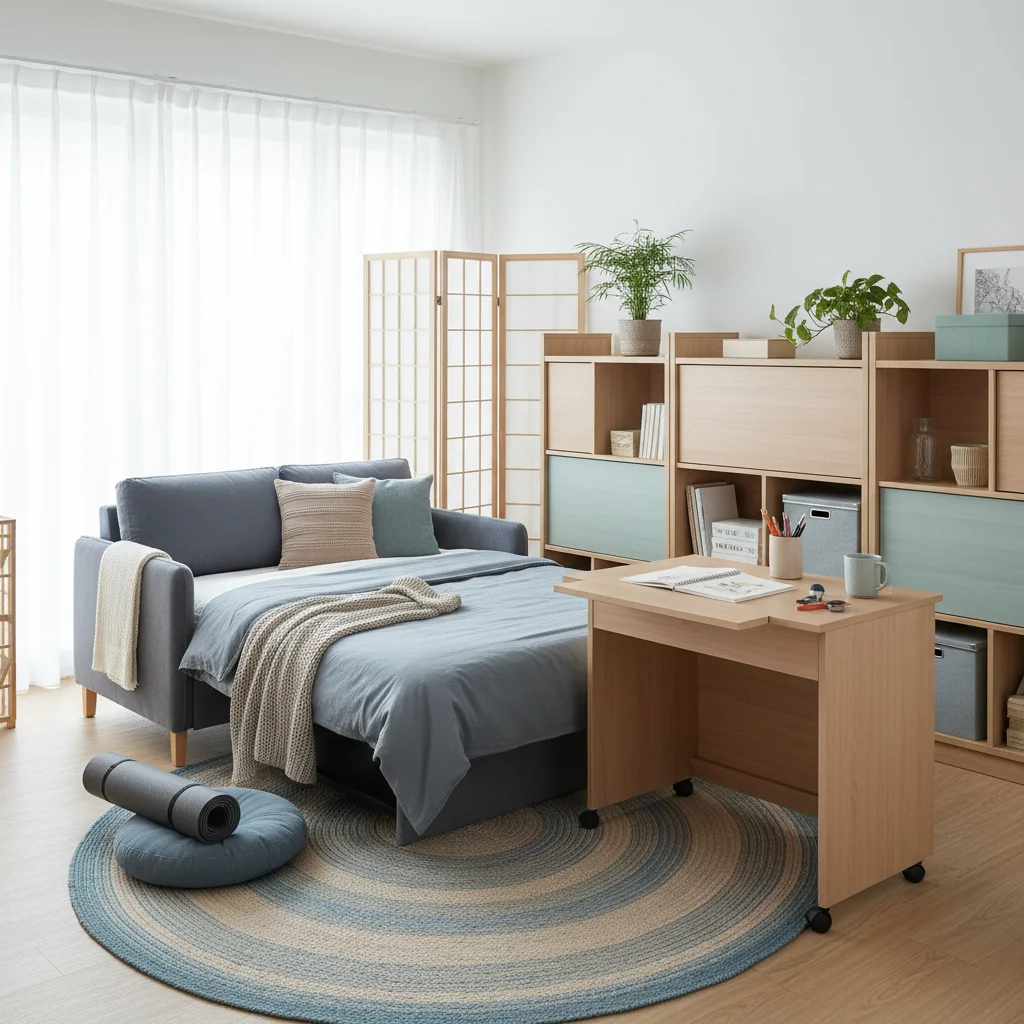
5. Personalization and Biophilic Design: Making it Uniquely Yours
The final, and perhaps most crucial, element in creating a truly effective third space home is personalization. This is your sanctuary, and it should reflect your unique personality, inspirations, and comfort. Coupled with the growing trend of biophilic design, which integrates nature into our built environments, personalization ensures your ‘third space’ is not just functional, but deeply resonant and rejuvenating.
Injecting Your Personality and Inspirations
Your ‘third space’ should feel like an extension of you. What brings you joy? What inspires you? What helps you relax or focus? Incorporate these elements:
- Art and Decor: Display artwork, photographs, or objects that hold personal meaning or evoke positive emotions. A gallery wall of inspiring quotes, travel memories, or abstract art can transform the space.
- Color Palette: While neutral bases are often recommended for versatility, don’t shy away from incorporating accent colors that you love and that align with the space’s purpose. A calming blue, an energizing yellow, or a sophisticated deep green can make a big difference.
- Textiles and Texture: Soft throws, plush cushions, textured rugs, and rich curtains add warmth, comfort, and visual interest. These tactile elements can make a space feel more inviting and ‘hug-like.’
- Collections and Hobbies: If your ‘third space’ is for a hobby, integrate elements related to it. A guitar on a stand, a dedicated easel, or shelves displaying your book collection or craft supplies.
- Comfort Items: A favorite blanket, a specific type of pillow, or even a cherished mug can make the space feel more personal and comforting.
The goal is to curate a space that feels authentic to you, a place where you can truly be yourself without external pressures.
Embracing Biophilic Design for Enhanced Well-being
Biophilic design is the practice of connecting people to nature within our built environments. Its principles are increasingly recognized for their positive impact on mental health, creativity, and productivity. Integrating biophilic elements into your third space home can significantly enhance its sanctuary qualities:
- Indoor Plants: Bring the outdoors in! Plants not only purify the air but also add a sense of calm and vitality. Choose varieties that thrive in your space’s light conditions. Consider a mix of sizes and textures.
- Natural Materials: Incorporate wood, stone, bamboo, cotton, linen, and wool. These materials have an inherent warmth and authenticity that synthetic materials often lack.
- Views of Nature: If possible, position your ‘third space’ to offer a view of greenery, a garden, or even just the sky. If a direct view isn’t possible, use nature-inspired art or photography.
- Natural Light: As discussed, maximizing natural light is a cornerstone of biophilic design, connecting you to the rhythms of the day.
- Water Features: A small tabletop fountain can add a soothing sound and visual element, mimicking the calm of natural water.
By personalizing your space and integrating biophilic elements, you create a third space home that is not just aesthetically pleasing but also deeply nourishing for your mind, body, and soul. It becomes a true reflection of your inner world, a sanctuary where you can recharge, create, and simply be.
The Future of Home Living: Your Personal ‘Third Space’ in 2026
As we navigate the complexities of modern life, the importance of having a dedicated personal sanctuary, a true third space home, cannot be overstated. It’s more than just a trend; it’s a fundamental shift in how we view and utilize our living environments. The lines between work, leisure, and personal growth have blurred, necessitating spaces that can adapt and support our multifaceted lives.
By thoughtfully defining its purpose, strategically choosing its location, embracing smart and flexible furniture, harnessing the power of sensory elements, and infusing it with personal touches and biophilic design, you are not just decorating a room. You are investing in your well-being, your productivity, and your overall quality of life. This dedicated zone allows you to step away from the demands of the household, the distractions of technology, and the pressures of daily routines, offering a vital space for introspection, rejuvenation, and creativity.
The year 2026 will undoubtedly bring new challenges and opportunities, but with a well-designed ‘third space’ in your home, you’ll be better equipped to meet them. It’s a proactive step towards a more balanced, mindful, and fulfilling way of living. So, take the leap, reclaim a corner of your home, and transform it into the sanctuary you deserve. Your future self will thank you for creating this invaluable haven.