Transform Your Home Office: Top 5 Ergonomic Products for 2026
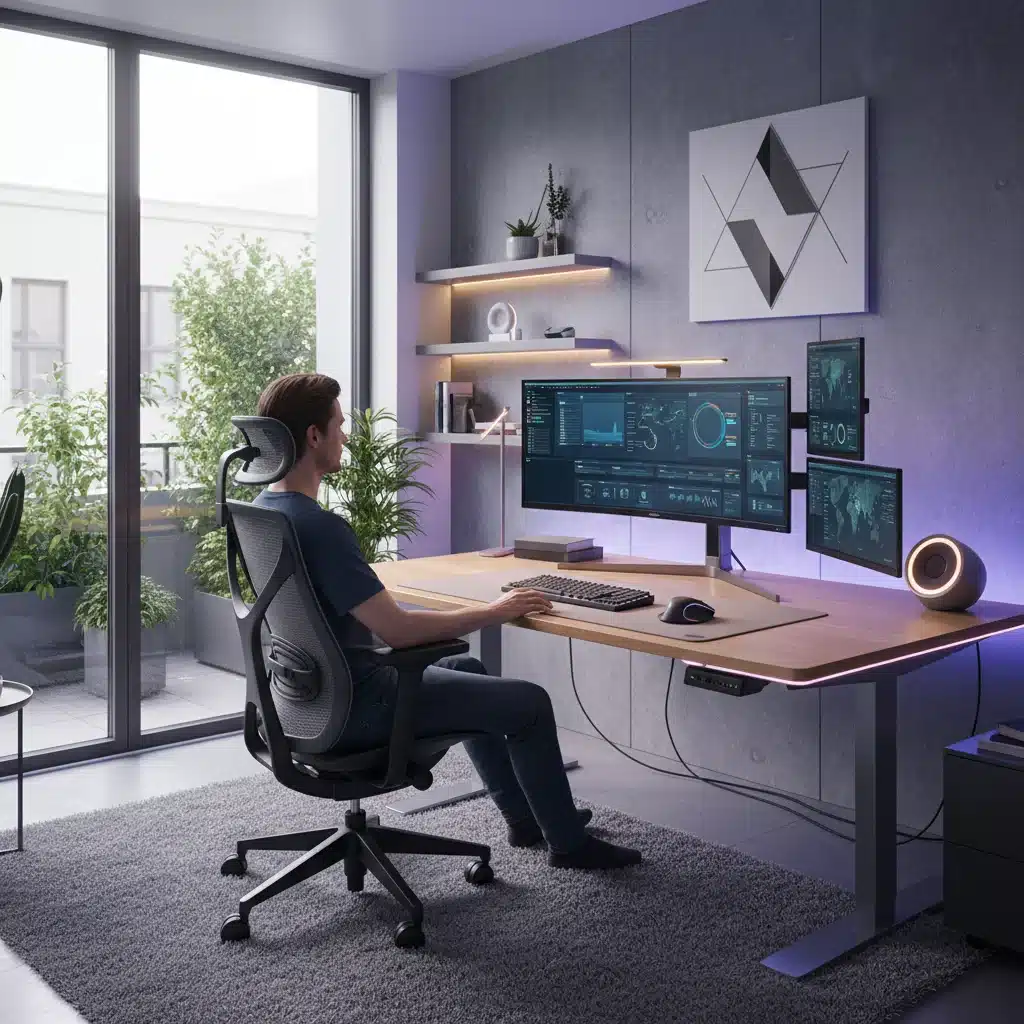
The landscape of work has undergone a seismic shift, with the home office transitioning from a temporary solution to a permanent fixture for millions worldwide. As we hurtle towards 2026, the demand for workspaces that not only facilitate productivity but also safeguard our health has never been higher. Gone are the days of makeshift setups; the future of work demands deliberate design and thoughtful integration of technology to create an environment where well-being and efficiency coexist. This is where the concept of an ergonomic home office truly shines.
An ergonomic home office isn’t just about fancy chairs or standing desks; it’s about a holistic approach to designing your workspace to fit your body and your work style, rather than forcing your body to adapt to an ill-suited environment. The benefits are profound: reduced risk of musculoskeletal disorders, decreased fatigue, improved focus, and ultimately, a significant boost in productivity. Studies consistently show that an optimized ergonomic setup can increase efficiency by as much as 20%, a figure that no forward-thinking professional can afford to ignore.
In this comprehensive guide, we delve into the core of the 2026 home office revolution, identifying five cutting-edge ergonomic products that are poised to redefine how we work from home. These aren’t just gadgets; they are investments in your health, your comfort, and your long-term productivity. Prepare to transform your workspace into a beacon of efficiency and well-being.
The Evolution of the Ergonomic Home Office: Why 2026 is Different
Before we explore the specific products, let’s understand why the term ‘ergonomic home office’ carries a different weight in 2026 compared to just a few years ago. The initial rush to remote work often meant making do with whatever was available – kitchen tables, dining chairs, and laptops precariously balanced on stacks of books. This led to a surge in work-related injuries, from chronic back pain and neck strain to carpal tunnel syndrome and eye fatigue. The industry responded, and now, we’re seeing a maturation of ergonomic solutions, driven by advanced research, smart technology, and a deeper understanding of human physiology.
The 2026 ergonomic landscape is characterized by:
- Personalization through AI: Products that adapt to your unique body measurements and habits.
- Seamless Integration: Devices that communicate with each other to create a cohesive, optimized environment.
- Sustainability Focus: Ergonomic solutions designed with eco-friendly materials and energy efficiency in mind.
- Preventative Health: Beyond comfort, the emphasis is on actively preventing long-term health issues.
Our selection of products reflects these trends, offering not just comfort but intelligent design that anticipates your needs and supports a healthier, more productive work life. Investing in an ergonomic home office is no longer a luxury; it’s a necessity for sustained professional success and personal well-being.
1. The Adaptive Smart Ergonomic Chair: Your Personalized Posture Coach
No discussion of an ergonomic home office is complete without highlighting the chair. However, the ergonomic chairs of 2026 are a far cry from their predecessors. We’re talking about adaptive smart chairs, a revolutionary step beyond mere adjustability. These chairs are equipped with embedded sensors and AI algorithms that continuously monitor your posture, weight distribution, and even micromovements throughout the day.
Imagine a chair that gently prompts you to adjust your posture when it detects slouching, or one that automatically adjusts its lumbar support based on your sitting position. Some models even integrate with wearable tech to track your heart rate and stress levels, suggesting short breaks or subtle adjustments to improve circulation and reduce tension. The benefits extend beyond immediate comfort; by actively encouraging optimal posture, these chairs significantly reduce the risk of chronic back pain, neck stiffness, and other musculoskeletal issues that plague desk workers.
Key features to look for in an adaptive smart ergonomic chair:
- Real-time Posture Monitoring: Sensors provide immediate feedback on your sitting habits.
- Automated Adjustments: Lumbar support, seat depth, and recline can dynamically shift to maintain optimal alignment.
- Personalized Coaching: Companion apps offer insights, exercises, and reminders to move.
- Pressure Mapping: Advanced models can map pressure points, redistributing weight to prevent discomfort and improve blood flow.
- Breathable, Sustainable Materials: High-performance fabrics that regulate temperature and are environmentally conscious.
The adaptive smart ergonomic chair is the cornerstone of a truly intelligent ergonomic home office. It’s not just a piece of furniture; it’s a proactive health device that works tirelessly to keep you comfortable and correctly aligned, directly contributing to that promised 20% productivity boost.
2. The Modular Height-Adjustable Standing Desk with Integrated Movement Tracking
The standing desk has been a staple of ergonomic advice for years, but in 2026, it has evolved into a sophisticated, modular system with integrated intelligence. These aren’t just desks that go up and down; they are dynamic workstations designed to promote active movement and discourage prolonged static positions.
Modern height-adjustable desks come with built-in sensors that track your standing and sitting time, reminding you when it’s time to switch. Some even offer pre-programmed height adjustments throughout the day based on your personalized preferences and work schedule. The ‘modular’ aspect refers to integrated power solutions, cable management systems that disappear into the desk’s frame, and easily attachable accessories like monitor arms, privacy panels, and even small integrated treadmills or pedal exercisers that allow for light activity while working.
The ability to effortlessly transition between sitting and standing is crucial for circulation, energy levels, and focus. By preventing the sedentary trap, these desks help combat fatigue and improve cognitive function, making them indispensable for an efficient ergonomic home office. Look for:
- Smooth, Quiet Motorized Adjustments: Essential for seamless transitions.
- Programmable Height Presets: Save your ideal sitting and standing heights.
- Movement Reminders: Alerts to switch positions and avoid prolonged static posture.
- Integrated Power and Cable Management: A clutter-free workspace enhances focus.
- Modular Accessories: Customization options for monitor arms, privacy screens, and active standing solutions.
A smart standing desk is more than a piece of furniture; it’s a dynamic platform that encourages healthy movement patterns throughout your workday, a critical component of a truly productive ergonomic home office.
3. The AI-Powered Ergonomic Keyboard and Mouse Ensemble
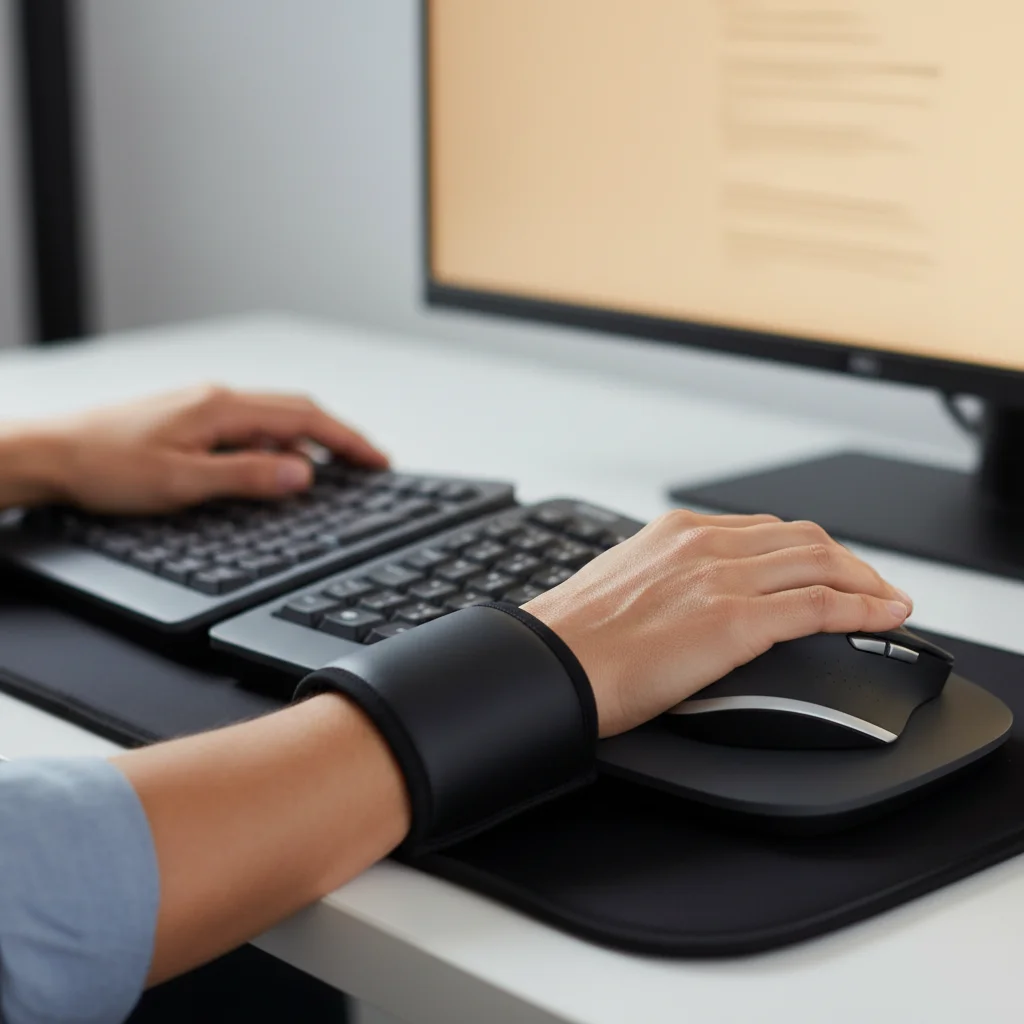
Repetitive strain injuries (RSIs) are a significant concern for anyone spending hours typing and clicking. The 2026 solution is an AI-powered ergonomic keyboard and mouse ensemble that goes beyond traditional contoured designs, offering personalized adaptation and predictive injury prevention.
These advanced peripherals utilize sensors to analyze your typing patterns, force, and hand positioning. The keyboard might feature split designs with adjustable angles and tenting, but with an added layer of intelligence. AI algorithms can identify subtle changes in your typing style that might indicate fatigue or the onset of an RSI, suggesting micro-breaks or adjustments. The mouse, similarly, can adapt its shape or sensitivity based on your grip and movement, minimizing strain on your wrist and forearm.
Some systems even include haptic feedback to guide your hand into optimal positions or alert you to excessive force. The goal is to make interaction with your computer as natural and strain-free as possible, allowing for sustained periods of work without discomfort. This innovative approach to input devices is a game-changer for anyone looking to optimize their ergonomic home office and protect their hands and wrists.
Key considerations for your intelligent input devices:
- Dynamic Key Layouts: Keys that can be remapped or adjusted for individual finger reach.
- Adaptive Contours: Mouse and keyboard shapes that subtly change to fit your hand over time.
- Typing Analytics: Software that provides insights into your typing habits and suggests improvements.
- Force Feedback: Alerts for excessive key presses or mouse clicks.
- Wireless Connectivity: Ensuring freedom of movement and a clutter-free desk.
These devices are crucial for maintaining long-term hand and wrist health, directly impacting your ability to remain productive and comfortable in your ergonomic home office.
4. The Smart Circadian Lighting System: Optimizing Your Biological Clock
Lighting often gets overlooked in ergonomic discussions, yet its impact on productivity, mood, and sleep quality is immense. The 2026 ergonomic home office incorporates smart circadian lighting systems that dynamically adjust color temperature and intensity throughout the day to mimic natural light cycles.
In the morning, the lights emit a cooler, brighter spectrum, akin to natural daylight, which helps boost alertness and concentration. As the day progresses, they gradually shift to warmer, softer tones, signaling to your body that it’s nearing evening, thereby promoting natural melatonin production and improving sleep quality. This isn’t just about aesthetics; it’s about supporting your body’s natural circadian rhythm, which plays a critical role in energy levels, cognitive function, and overall well-being.
Poor lighting can lead to eye strain, headaches, and fatigue, all of which are detrimental to productivity. A smart circadian lighting system actively mitigates these issues, creating an environment that naturally enhances your focus during work hours and prepares your body for restful sleep afterward. This holistic approach to environmental control is a hallmark of the modern ergonomic home office.
What to look for in a smart lighting system:
- Automated Circadian Rhythm Presets: Lights that change automatically throughout the day.
- Tunable White and Color Spectrum: Full control over brightness and color temperature.
- Glare Reduction: Designed to minimize reflections and harsh shadows.
- Integration with Smart Home Ecosystems: Control via voice commands or smart apps.
- Energy Efficiency: LED technology for reduced power consumption.
By synchronizing your workspace lighting with your body’s natural clock, you can experience sustained energy and improved focus, making your ergonomic home office a truly optimized space.
5. The Interactive Ergonomic Monitor Arm with AI-Powered Eye Tracking
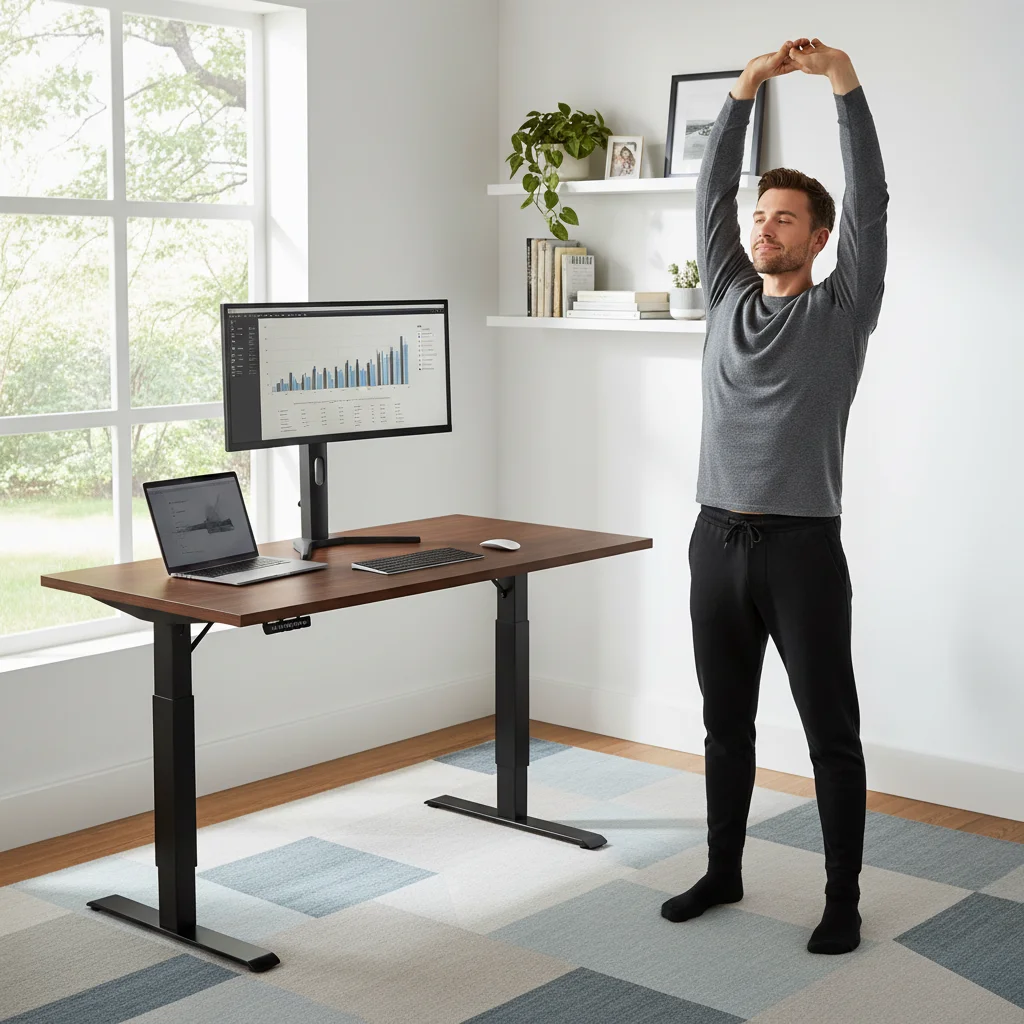
Your monitor is the window to your digital world, and its positioning is paramount for preventing neck strain and eye fatigue. In 2026, ergonomic monitor arms have become interactive and intelligent, integrating AI-powered eye tracking technology to ensure optimal screen placement at all times.
These advanced monitor arms allow for effortless adjustment of height, depth, and tilt, but with a crucial upgrade: embedded cameras and AI software that track your gaze and head position. If you start to slouch or lean in, the system can subtly adjust the monitor’s position to bring it back to your optimal viewing distance and height. Some even detect prolonged periods of intense focus and suggest micro-breaks or offer gentle reminders to look away from the screen every 20 minutes (the 20-20-20 rule).
This proactive approach prevents the common habit of craning your neck or straining your eyes, which are major contributors to discomfort and decreased productivity. By maintaining an ideal viewing angle and distance, you reduce the physical burden on your neck and shoulders and minimize digital eye strain, ensuring you can work comfortably and efficiently for longer periods in your ergonomic home office.
Essential features of an interactive monitor arm:
- Fluid, Multi-Axis Adjustment: Easy movement in all directions.
- AI-Powered Eye Tracking: Real-time monitoring of your gaze and head position.
- Automated Repositioning: Subtle adjustments to maintain optimal screen distance and height.
- Glare and Reflection Reduction: Features to angle the screen away from light sources.
- Integrated USB Hubs: For convenient connectivity of peripherals.
This intelligent monitor arm is a critical component for maintaining visual comfort and proper posture, solidifying the health benefits of your ergonomic home office.
Building Your Ultimate Ergonomic Home Office in 2026: A Holistic Approach
While each of these five products offers significant benefits individually, their true power is unleashed when they are integrated into a cohesive ergonomic home office ecosystem. Imagine a chair that communicates your sitting patterns to your standing desk, which then adjusts its height and prompts you to stand, all while your smart lighting subtly shifts to an energizing spectrum. Your AI keyboard and mouse proactively prevent strain, and your interactive monitor arm ensures your display is always perfectly aligned with your gaze.
This level of integration and intelligence is what defines the 2026 home office revolution. It’s about creating a responsive, adaptive environment that actively supports your physical and mental well-being, allowing you to maximize your productivity without compromising your health. The initial investment might seem substantial, but when weighed against the costs of chronic pain, reduced efficiency, and potential medical expenses, the return on investment in an ergonomic home office becomes undeniable.
Beyond the Products: Ergonomic Habits and Practices
Even the most advanced ergonomic equipment won’t be fully effective without adopting healthy habits. Remember to:
- Take Regular Breaks: Step away from your desk every hour. Stretch, walk around, or simply rest your eyes.
- Practice the 20-20-20 Rule: Every 20 minutes, look at something 20 feet away for 20 seconds to reduce eye strain.
- Stay Hydrated: Keep a water bottle nearby and drink throughout the day.
- Incorporate Movement: Consider short exercise routines or stretches during your breaks.
- Listen to Your Body: Pay attention to any discomfort and make adjustments as needed.
An ergonomic home office is a partnership between intelligent design and mindful habits. Embrace both, and you’ll unlock unprecedented levels of comfort, focus, and productivity.
The Future is Now: Investing in Your Ergonomic Home Office
The year 2026 marks a pivotal moment in the evolution of remote work. The tools and technologies are now available to create home office environments that are not just functional but truly restorative and performance-enhancing. By investing in these five key ergonomic products – the adaptive smart ergonomic chair, the modular height-adjustable standing desk with integrated movement tracking, the AI-powered ergonomic keyboard and mouse ensemble, the smart circadian lighting system, and the interactive ergonomic monitor arm with AI-powered eye tracking – you are not just upgrading your workspace; you are investing in your long-term health and professional success.
The promise of a 20% boost in productivity is not an exaggeration when you consider the cumulative effect of reduced pain, improved focus, deeper sleep, and sustained energy that these integrated solutions provide. Step into the future of work with confidence, knowing that your ergonomic home office is a sanctuary of efficiency and well-being. It’s time to stop adapting to your workspace and start experiencing a workspace that adapts to you.